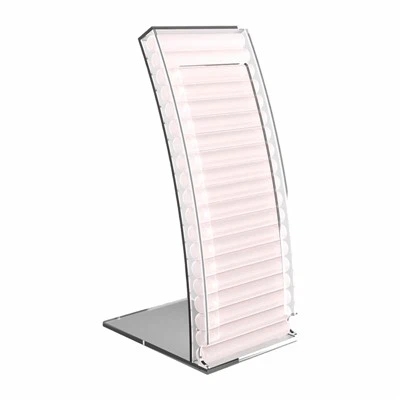
Hey there! If you’re reading this, chances are you’ve been hunting for acrylic floor display stands for your store, pop-up, or maybe even that big product launch you’ve been planning. And let’s be real—when you first scroll through our (or any acrylic stand supplier’s) product pages, you probably hit that tiny snag: matte vs. glossy acrylic. Yeah, I’ve been there too, staring at two almost identical stands, wondering what the big difference actually is, beyond just how they look. As someone who’s been selling acrylic floor display stands for over 8 years now, I’ve heard every question in the book about this—from small boutique owners to big box retail buyers. Today, I’m breaking this down like we’re chatting over coffee, no stuffy industry jargon, no confusing bullet points, just the real tea on matte and glossy acrylic floor stands. Acrylic Floor Display Stand

First, let’s get one thing straight: acrylic itself is the same material for both. It’s that lightweight, shatter-resistant plastic that’s way clearer than glass, which is why it’s such a go-to for displays. The difference? It’s all in the finish—how the surface is treated, how light bounces off it, and how it holds up over time. I see so many people default to glossy because it feels “standard,” but that’s a mistake a lot of new buyers make, and they end up regretting it a month later when their stand looks smudged or picks up weird glare. Let’s start with glossy, because that’s the one everyone thinks they know.
Glossy acrylic is the original finish, basically. It’s got that super smooth, mirror-like surface that catches light like crazy, which is why it’s so eye-catching. I remember when we first started making glossy stands 7 years ago, a local shoe boutique bought 20 of them for their new sneaker line, and they flew off the shelves immediately—because the glossy surface made the shoe’s color pop so much. But here’s the catch with glossy: it’s a magnet for smudges, fingerprints, and even tiny scratches over time. If you run a high-traffic store (think a mall retail space, or a supermarket where hundreds of people touch stands every day), glossy will start looking dull after just a few months. Those fingerprints don’t just wipe away easily, either—you have to use specific acrylic cleaners, because regular Windex can leave streaks that are impossible to get rid of. Another thing about glossy: glare. If you’re placing the stand near a window, under bright overhead lights, or even near a camera for social media (so many brands do product reels now), glossy creates that weird reflection that makes it hard to see what’s on display. I’ve had a customer call me panicking because their glossy phone stand by a store window was showing a reflection of the street sign, and no one could read the phone details—we swapped it for matte a week later, and they were thrilled. That’s not to say glossy is bad, though. If you’ve got a low-traffic space, or you’re using the stand for a short-term campaign (like a holiday pop-up that only runs 2 months), glossy is perfect. It gives that sleek, modern look that makes products feel premium, and it’s way cheaper to manufacture than matte, so you’ll save a little on bulk orders.
Now, matte acrylic—this is the unsung hero that most people sleep on until they use it. Matte has a soft, non-reflective surface, so light bounces off it evenly instead of creating that harsh glare. That’s a game-changer for visibility, right? I’ve got a client who sells organic skincare, and she uses matte stands for her product jars. She told me once that before switching, customers kept asking if the jars were blurry because of the glossy glare, but now, everyone can read the labels clearly. Another win for matte: it’s way better at hiding those tiny imperfections. Fingerprints, smudges, even minor scratches? They don’t show up nearly as much on matte as they do on glossy. I’ve had stands we installed at a local bookstore 2 years ago that still look almost new—they’ve got people grabbing books off them every single day, and you’d never know it. That durability makes matte a great pick for high-traffic areas, permanent displays, or any space where you want the stand to be functional, not just pretty. But wait, matte isn’t all perfect, so let’s be real about the downsides. First, it doesn’t have that same “wow” factor as glossy. If you’re trying to draw attention to a flashy product—like neon drinkware, or metallic accessories—matte might make it look a little muted. I learned that the hard way a few years ago when a client bought matte stands for their new line of chrome water bottles, and they said the bottles looked dull next to the matte surface. We ended up exchanging half for glossy, and their sales went up 15% that month. Another thing: matte can be a little more expensive to make, because the manufacturing process involves adding a fine texture to the acrylic surface, which adds a step. So if you’re on a super tight budget for bulk stands, glossy is the way to go. Also, matte can be harder to clean if it gets really dirty—like if it’s in a dusty warehouse or outdoor space. You can’t just wipe it quickly with a cloth; you have to use a mild soap and avoid scrubbing too hard, because that can leave tiny marks on the matte texture.
Wait, let’s talk about something that almost no one brings up: how each finish works with different products. That’s the part that makes all the difference, not just personal preference. For example, if you’re displaying art prints, photography, or any item that needs to be seen clearly without glare—matte is non-negotiable. A lot of gallery owners swear by matte acrylic stands for that exact reason. If you’re showing off luxury watches, jewelry, or metallic accessories—glossy is perfect, because it makes the product’s shine stand out. For stores with kids’ products, think: toys, snack packs, or school supplies—matte is great because it hides smudges from tiny hands grabbing everything, so you don’t have to re-clean stands every hour. For a holiday pop-up that only runs for 6 weeks, glossy is fine, because it looks great in photos and you don’t have to worry about wear and tear long-term.
I also want to touch on a myth I hear all the time: “matte acrylic is weaker than glossy.” No, that’s not true at all. The acrylic material itself has the same impact resistance, same durability, same clarity (wait, no—matte is slightly less clear, but not enough to notice unless you’re staring super close). The only difference is the surface finish. I’ve had a customer drop a 5-pound vase on a matte stand last year, and it didn’t crack—same as a glossy stand would have done. So that’s a total myth, and it’s one that makes a lot of people pick the wrong finish for their needs.
Let’s also get practical for a second—what about installation and customization? Both finishes are just as easy to assemble, right? We use snap-together design for all our acrylic stands, no tools required, so putting them together takes 2 minutes max, whether it’s matte or glossy. When it comes to custom engraving or printing, too—both finishes work great. Engraving on glossy stands gives a crisp, clear look, while engraving on matte stands has a softer, more subtle feel. If you’re printing a logo on the stand, glossy will make the logo pop a little more, but matte will give it a more professional, understated look. We had a corporate client a few months ago that ordered 50 matte stands with their company logo for a trade show, and they said everyone commented on how clean and professional the stands looked—no glare, so all the attendees could read their booth info easily.
Here’s the thing I always tell customers when they’re stuck choosing: ask yourself three questions. First, how long will I use this stand for? If it’s less than 3 months, glossy is fine. If it’s permanent, go matte. Second, what am I displaying? Flashy, metallic, glossy products? Pick glossy. Products that need clear, glare-free visibility—matte. Third, what’s the traffic in my space? High traffic (mall, grocery, bookstore)? Matte. Low traffic, short-term? Glossy. That formula works 9 times out of 10, and I’ve used it to help hundreds of customers make the right call.
I also want to share a quick mistake I see all the time, to save you the headache. Last year, a local clothing boutique bought 10 glossy stands for their best-selling leather jackets. After 2 months, the stands were covered in fingerprints, and the owner was frustrated because it looked messy. She tried wiping them with regular cleaner, left streaks, and ended up having to pay us to recondition the glossy surfaces. If she’d gone with matte, that smudge problem would have been almost non-existent. Another mistake: someone bought matte stands for their neon sign displays, and said the signs looked way duller than when they were on glossy stands. So yeah, it’s all about matching the finish to your specific use case.
At the end of the day, neither matte nor glossy is “better”—they’re just different, and each serves a specific purpose. Glossy is for making products shine, short-term use, and budget-friendly orders. Matte is for durability, low maintenance, and glare-free visibility. As an acrylic stand supplier, I’m not here to push one over the other—my job is to help you pick the one that works for your store, your products, and your space.
If you’re still not sure which one fits your needs, or you want to chat about bulk orders, custom sizes, or even getting a sample stand to test out (we offer free samples for most small orders, by the way!), just reach out. I’ve worked with everyone from small Etsy sellers to large retail chains, and I can help you figure out exactly what you need. Don’t overthink it—sometimes it just comes down to how you want your products to look, and how much time you want to spend cleaning your stands. Let’s chat, and we’ll get you set up with the perfect acrylic floor display stands.
Cardboard Floor Display Stand References:
- Acrylic Fabricators Association. (2022). Finishing Techniques for Acrylic Displays: A Practical Guide.
- Retail Design Institute. (2023). Choosing Display Materials for High-Traffic Retail Spaces.
- Material Science and Engineering, Department of, XYZ University. (2021). Mechanical and Surface Properties of Matte vs. Glossy Acrylic.
Guangzhou Guangjie Display Products Manufacturing Co., Ltd.
We’re well-known as one of the leading acrylic floor display stand manufacturers in China, also support customized service. Welcome to buy bulk high quality acrylic floor display stand at competitive price from our factory. If you have any enquiry about pricelist and quotation, please feel free to email us.
Address: No.16-1 Lilv Road, Dashi Street, Panyu District, Guangzhou City, Guangdong Province
E-mail: guangjie_dp888@163.com
WebSite: https://www.gjdisplaystand.com/
