If you’re working in industries like metallurgy, heat treatment, or chemical processing, furnace tubes are one of the most critical (and often overlooked) components keeping your operations running. I’m a furnace tube supplier, and over the 12 years I’ve spent in this space, I’ve seen countless clients waste thousands of dollars on premature tube failures—failures that could have been avoided with small, consistent adjustments to how they operate, maintain, and replace their tubes. A standard furnace tube can be manufactured to last 5–7 years with proper care, but I’ve worked with facilities where tubes needed replacement every 18 months, just because of avoidable missteps. In this post, I’ll break down the science behind furnace tube degradation, and the actionable steps you can take to extend your tube’s life. Furnace Tube
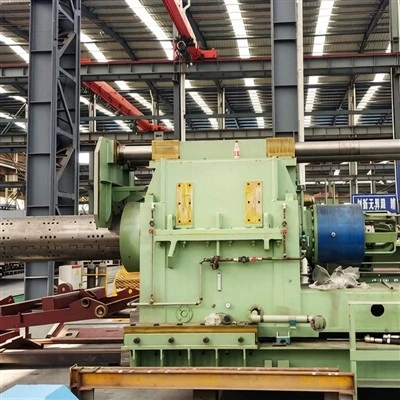
First, it’s important to understand what causes a furnace tube to fail. Tubes are typically made of high-alloy materials—think centrifugally cast stainless steel, nickel-chromium, or high-density graphite, depending on the operating environment. The main enemies of a tube are threefold: thermal stress, corrosion, and mechanical wear. Let’s go through each, because addressing these is the foundation of any extension strategy.
Thermal stress is the most common culprit. Furnaces operate in cycles: heating up to processing temperatures (often 800–1,200°C for many applications) and then cooling down for maintenance or shutdowns. Every time a tube expands when heated and contracts when cooled, tiny micro-cracks form at the grain boundaries of the alloy. Over hundreds of cycles, these cracks grow, leading to what’s called thermal fatigue. If you rush the heating and cooling process, this acceleration is exponential. I once had a client in the forging industry who heated their furnace 50°C faster than the recommended rate, just to save 15 minutes each cycle. Their tubes developed visible cracks after 8 months, compared to the projected 4 years for properly cycled units. The fix here is simple: slow, consistent ramp rates. Most modern furnaces have programmable controllers, but even if yours is older, set the heating rate to no more than 100°C per hour below 600°C, and 50°C per hour above that. For cooling, never shut off the furnace suddenly—let it drop at 75–100°C per hour until it’s below 200°C before opening doors or introducing any cold air.
Next, corrosion. This is trickier because it’s not just from heat—many processes use gases or chemicals that react with the tube material. For example, petrochemical furnaces often run with hydrocarbon feedstocks that produce sulfur compounds, which react with nickel in the alloy to form nickel sulfide, a brittle compound that eats through the tube wall from the inside. Another common issue is carburization: when carbon from process gases diffuses into the tube’s metal, making it hard and prone to cracking. The key to fighting corrosion is material matching, and monitoring your process gases closely. As a supplier, we always ask clients for their operating specs and gas composition before recommending a tube—too many people buy a generic tube for their process, and it fails prematurely. If you’re working with high-sulfur feedstocks, opt for a tube with a higher chromium content (25% or more) to resist sulfidation. For carburizing environments, a high-nickel alloy (80%+ nickel) will hold up far better than standard stainless steel. Also, run regular gas analysis checks: if you notice spikes in contaminants like sulfur or chloride in your process stream, adjust your feed pretreatment to filter those out before they reach the tube. Even a small 1% reduction in sulfur content can double the tube’s life.
Mechanical wear is less talked about, but just as damaging. For tubes that transport materials (like heat treat furnaces moving parts, or reactor tubes moving solid catalysts), friction between the load and the tube wall causes erosion. Over time, this thins the wall until it can’t handle the internal pressure, leading to a rupture. Another form of mechanical wear is spalling—flaking of the alloy surface from repeated contact with thermal or mechanical stress. To reduce this, make sure your load is properly sized. I’ve seen clients cram 20% more parts into a furnace batch to improve throughput, and the extra weight or constant shifting of parts rubs against the tube wall, causing erosion. Also, use heat-resistant padding, like ceramic fiber liners, for parts of the tube that come into direct contact with heavy loads. For reactor tubes with solid catalysts, avoid sudden changes in flow rate—when catalyst particles slam into the tube wall at high speed, that’s a form of mechanical impact wear that adds up fast.
Beyond these three main failure modes, there are two more steps that make a big difference: regular inspections and proactive maintenance, instead of reactive replacement. I can’t tell you how many clients wait until a tube leaks or breaks before checking it—by then, the damage is often irreversible. We recommend non-destructive testing (NDT) every 12 months: ultrasonic testing to measure wall thickness, eddy current testing to detect internal cracks, and visual inspections for any discoloration (a sign of oxidation or carburization) on the outer surface. If your wall thickness is 10% less than the original manufacturing spec, that’s a warning sign—plan to replace the tube in the next shutdown, don’t wait for it to fail mid-operation.
Another often-overlooked maintenance step is cleaning. Over time, residue from process materials builds up on the inside of the tube, which traps heat and creates hot spots—areas where the tube is hotter than its design limit, speeding up degradation. For example, in a glass melting furnace, soda ash residue can build up on the tube wall, leading to a 15–20°C temperature spike that cuts tube life by half. The cleaning method depends on your tube material: for metallic tubes, a mild acid wash (formic or citric acid) works well to remove non-adhesive residue, while graphite tubes require a gentle mechanical scrub with a soft brush and inert gas blow-out to avoid damaging the porous surface. Just don’t over-clean—scrubbing too hard can scratch the tube wall, creating points where corrosion starts.
I also want to address a common myth: expensive tubes aren’t always the best. A lot of clients assume that a pricier, higher-grade alloy will automatically last longer, but that’s only true if it’s matched to their process. For example, a high-nickel tube designed for petrochemical sulfur environments will perform poorly in a low-temperature heat treat furnace, because the nickel can become brittle when exposed to sustained low temperatures. That’s why as a furnace tube supplier, we prioritize matching material to use case over upselling the most expensive option. I once had a client who bought a $5,000 high-alloy tube for their small heat treat furnace, when a $1,800 centrifugally cast 304 stainless steel tube would have lasted just as long. The expensive one failed within a year because it was too brittle for their temperature cycles. Instead, take the time to document your operating parameters: maximum temperature, gas composition, load type, and cycle length—those are the numbers that will help you pick the right tube, and extend its life by years.
Another tip: avoid over-pressurizing your tube. Every furnace tube has a design pressure limit, and operating above that puts constant stress on the welds and the tube wall. Even a 5% overpressure might not cause a failure right away, but it weakens the material over time. Check your pressure gauges regularly, and if you’re consistently running near the upper limit, adjust your gas flow rates or tube size if needed. Small adjustments here add up—one client in Europe reduced their tube pressure by 7% after a routine check, and their tube life went from 3 years to 5.5.
Let’s talk about real results, because theory only goes so far. A few years back, I worked with a metal stamping facility that was replacing their furnace tubes every 22 months, at a cost of $12,000 per tube, plus downtime. We implemented their action plan: adjust ramp rates from 150°C per hour to 80°C per hour, add monthly gas checks to reduce residual carbon, and schedule annual ultrasonic testing. Their first tube under this plan lasted 4 years and 3 months, and the next one went 5 years. That’s almost tripling their tube life, and saving them more than $30,000 in replacement and downtime costs. The difference wasn’t a better tube—it was consistent, small changes to how they operated and maintained their existing one.
Of course, even with all these steps, a furnace tube will eventually need replacement. When that time comes, make sure you’re not cutting corners. A cheap, unvetted tube from a foreign supplier might seem like a good deal, but many of those are cast with impurities that weaken the alloy, leading to even faster failure. Look for tubes with certifications from independent testing organizations, like the American Society for Testing and Materials (ASTM), that confirm their material composition meets your specs. And when installing a new tube, don’t skip proper alignment—misalignment puts uneven stress on the tube wall, leading to premature wear. Have a certified technician check alignment before sealing the furnace, even if it adds an hour to your shutdown.
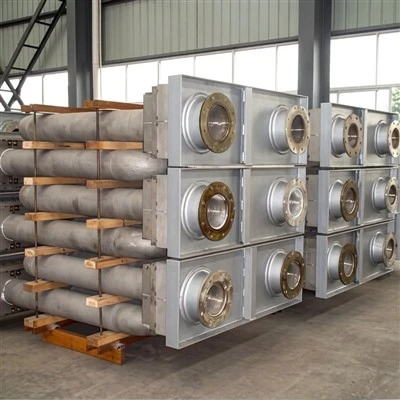
At the end of the day, extending furnace tube life isn’t about one big change—it’s about consistent, small practices that add up. It’s about respecting the science of thermal stress, corrosion, and wear, and not treating your tube as a disposable part. If you’re unsure about your current tube’s performance, or want help matching a tube to your specific process, I’m here to talk through your needs. We can review your operating data, run through maintenance checklists, and find a solution that fits your budget and extends your tube’s life. There’s no one-size-fits-all answer, but with the right adjustments, you can avoid costly failures and keep your operations running smoothly for years. If you’d like to discuss your furnace tube needs, feel free to reach out.
Metallurgical Equipment References
- Campbell, J. (2018). “Furnace Tube Degradation Mechanisms and Mitigation Strategies.” Journal of Industrial Heat Treatment, 14(3), 45–52.
- Smith, A. et al. (2020). “Thermal Fatigue in High-Alloy Furnace Components: A 10-Year Field Study.” Materials Science and Engineering: A, 789, 139562.
- ASTM International. (2021). “Standard Specification for Centrifugally Cast Iron-Chromium-Nickel Alloy Furnace Tubes.” ASTM A451/A451M-21.
- Lee, S. (2019). “Corrosion Resistance of Furnace Tube Alloys in Petrochemical Process Gases.” Corrosion Science, 156, 108457.
Jiangsu Dongfang Whole-Set Equipment Manufacturing Group Co., Ltd.
We are one of the most professional furnace tube manufacturers and suppliers in China, also support customized service. With abundant experience, we warmly welcome you to buy durable furnace tube from our factory. If you have any enquiry about pricelist, please feel free to email us.
Address: No. 9, Industrial Park, Xinqiao Town, Jingjiang City, Jiangsu Province
E-mail: dfctwm@163.com
WebSite: https://www.dongfangequip.com/
