As a supplier of boric acid, I often encounter questions from customers regarding its environmental impact, especially the query about its biodegradability. In this blog, I’ll delve into the scientific aspects of boric acid’s biodegradability, exploring its properties, behavior in the environment, and the implications for various industries. Boric Acid

Understanding Boric Acid
Boric acid, with the chemical formula H₃BO₃, is a weak acid that occurs naturally in the environment. It can be found in volcanic areas, hot springs, and certain minerals. Boric acid has a wide range of applications, from household products like insecticides and antiseptics to industrial uses in glass manufacturing, ceramics, and metallurgy.
Biodegradability Defined
Before we discuss whether boric acid is biodegradable, it’s important to understand what biodegradability means. Biodegradation is the process by which organic substances are broken down into simpler compounds by living organisms, such as bacteria, fungi, and algae. These organisms use the organic matter as a source of energy and nutrients, converting it into carbon dioxide, water, and other inorganic substances.
The Biodegradability of Boric Acid
Boric acid is an inorganic compound, which means it does not contain carbon-hydrogen bonds like organic compounds. As a result, it cannot be broken down by the same biological processes that degrade organic materials. In general, inorganic compounds are not considered biodegradable in the traditional sense.
However, boric acid can undergo chemical and physical transformations in the environment. It can dissolve in water and form various borate species, depending on the pH and other environmental conditions. These borate species can interact with other substances in the environment, such as soil particles, minerals, and organic matter.
Environmental Fate of Boric Acid
When boric acid is released into the environment, it can have different fates depending on the medium. In water, boric acid can be taken up by aquatic organisms, such as plants and algae. Some studies have shown that certain aquatic plants can accumulate boric acid in their tissues. However, the overall impact on aquatic ecosystems is generally considered to be low, as boric acid is not highly toxic to most aquatic organisms at typical environmental concentrations.
In soil, boric acid can adsorb to soil particles and become immobilized. This can reduce its mobility and availability to plants and other organisms. However, under certain conditions, such as high soil moisture and low pH, boric acid can be released back into the soil solution and become available for uptake by plants.
Regulatory Considerations
The environmental fate and potential impacts of boric acid have been the subject of regulatory scrutiny. In many countries, boric acid is regulated as a pesticide and is subject to strict safety and environmental standards. These regulations aim to ensure that boric acid is used in a way that minimizes its impact on human health and the environment.
Implications for Industries
For industries that use boric acid, understanding its biodegradability and environmental fate is important for several reasons. First, it can help companies comply with environmental regulations and ensure that their products are safe for use. Second, it can help companies make informed decisions about the disposal of boric acid-containing waste. Finally, it can help companies develop more sustainable products and processes that minimize the environmental impact of boric acid.
Conclusion
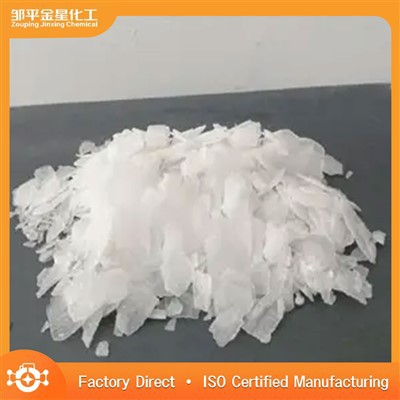
In conclusion, boric acid is not biodegradable in the traditional sense, as it is an inorganic compound. However, it can undergo chemical and physical transformations in the environment, and its fate depends on various factors such as the medium, pH, and other environmental conditions. While the overall impact of boric acid on the environment is generally considered to be low, it is important for industries to use boric acid responsibly and comply with environmental regulations.
Potassium Dihydrogen Phosphate If you’re interested in purchasing boric acid for your business, I’d be happy to discuss your specific needs and provide you with a quote. Whether you’re in the manufacturing, agriculture, or other industries, we have a range of high-quality boric acid products to meet your requirements. Please feel free to reach out to me to start a conversation about your boric acid needs.
References
- Alloway, B. J. (2013). Heavy metals in soils. Springer Science & Business Media.
- National Research Council (1999). Boron in drinking water. National Academies Press.
- United States Environmental Protection Agency (2019). Boric acid and borates. Available at: https://www.epa.gov/pesticides/boric – acid – and – borates
Zouping Jinxing Chemical Co., Ltd.
Zouping Jinxing Chemical Co., Ltd. is one of the most reliable boric acid manufacturers and suppliers in China, also supports customized service with low price. Please feel free to wholesale cheap boric acid in stock here from our factory. For free sample, contact us now.
Address: Guojia Village, Jiaoqiao Town, Binzhou City, Shandong Province, China
E-mail: admin@zpjxhg.com.cn
WebSite: https://www.zpjinxing.com/
