Hey everyone, let’s cut to the chase—if you’re scrolling around for extra storage space, odds are you’ve stumbled on industrial sheds popping up everywhere lately. Maybe you’re a small business owner who’s run out of room in your existing warehouse, a manufacturer staring down a backlog of raw materials, or even someone who’s been storing construction gear in a cramped rented space that’s eating into profits. Here at [our company] (I can’t drop the official name just yet, but you already know who we are as the go-to industrial sheds supplier), we get this question every single day: “Can industrial sheds actually be used for storage, or are they just big, ugly metal structures that look like they belong on a farm?” Industrial Sheds

Spoiler alert: They’re way more versatile than that. And no, they’re not just for farm equipment or random junk—they’re a game-changer for storage, but only if you get the right kind. Let’s break this down like we’re chatting over a coffee (no stuffy industry jargon, promise) and cover everything from why industrial sheds work for storage, the types that fit different needs, the perks, the small pitfalls to watch for, and real-world examples that prove this isn’t just a sales pitch.
First, let’s talk about what makes a good storage space in the first place. You don’t just need four walls and a roof, right? You need something that keeps your stuff safe, protects it from the elements, fits your budget, and works with how you operate. Industrial sheds check almost every box, but let’s get specific. Unlike a regular backyard shed (which is too small and flimsy) or a tiny storage unit (which is too expensive long-term), industrial sheds are built for heavy use. Think: thick steel frames, corrugated metal or insulated panels, reinforced bases—stuff that can hold thousands of pounds and stand up to rain, snow, wind, even extreme heat.
Wait, but hold on—are all industrial sheds made the same? Nope. That’s the first big mistake people make. A lot of folks see a “shed” and assume it’s a one-size-fits-all, but there are different types tailored exactly to storage needs. Let’s run through the ones we sell most because they’re perfect for storage:
First up, the standard pre-engineered metal industrial shed. This is the workhorse. It’s pre-cut, easy to assemble (we offer installation help if you don’t want to DIY), and you can get it in all sizes—from 20×30 (great for small businesses storing inventory or tools) up to 100×200 or even bigger (for manufacturing companies storing raw materials like lumber, steel beams, or bulk chemicals). What’s cool about these is you can add custom features as your storage needs grow: extra doors for loading big trucks, ventilation systems to keep humidity down (super important if you’re storing things like paper, electronics, or food products), and even shelving mounts so you don’t waste floor space.
Then there are insulated industrial sheds. These are non-negotiable if you’re storing temperature-sensitive stuff. We’ve had clients use these for things like pharmaceuticals, frozen food inventory, or even artwork that needs a consistent climate. The insulation isn’t just fluffy fiberglass, either—we use closed-cell foam panels that keep temperatures stable year-round, so you don’t have to worry about your goods warping, spoiling, or getting damaged by extreme cold or heat. A lot of people don’t realize that regular storage units can have wild temperature swings, which means your stuff loses value over time. Insulated industrial sheds eliminate that.
And let’s not forget modular industrial sheds. These are perfect for businesses that don’t want to commit to a permanent structure (like startups that might outgrow their space in a year or two). Modular means you can take it apart and move it if your business shifts locations—no hassle, no pouring a whole new foundation if you don’t want to. We had a client last year who was a construction company in Houston, and they needed extra storage for their heavy equipment and materials between job sites. They got a modular shed, towed it to each new site, and took their time setting it up wherever they needed. Saved them thousands on renting separate storage units every time they moved.
Now, let’s get to the part that actually matters: Why is using industrial sheds for storage such a good call, compared to other options like rented self-storage or expanding your existing warehouse? Let’s run through the real perks, no B.S.
First up, cost. Let’s do a quick number check, but keep it casual. If you’re a small business storing, say, 10 pallets of inventory, a 10×20 rented storage unit might run you $150-$250 a month. Over 5 years, that’s $9,000-$15,000. For that same price, you could buy a 20×30 industrial shed (we have options that fit that budget, trust me) and own it outright. No monthly bills, no surprise fee hikes, no restriction on how much you can store (as long as it fits). Even for bigger spaces: A 50×100 industrial shed might cost $50,000-$75,000, which is way cheaper than renting a warehouse or storage yard for 10 years. That’s a no-brainer for most growing businesses.
Then there’s control. When you use a rented storage space, you’re at the mercy of the facility’s rules: hours of access, who can come and go, how much you can stack stuff, what you can store. With your own industrial shed? You set the rules. Need to access your inventory at 2 a.m. for a rush order? Go for it. Need to stack pallets 10 feet high because you don’t have a ceiling height issue? Knock yourself out. That level of control is huge for businesses that operate on tight timelines.
Durability is another big one. Unlike a rented storage unit that might be old and leaky, or a flimsy wooden shed that rots after a few years, industrial sheds are built to last 20+ years. We’ve had clients who’ve had our sheds for 15 years and they still look brand new, no rust, no leaks, no structural issues. Perfect for storing heavy stuff like construction equipment, farm machinery, or bulk materials that would wear out a weaker structure.
Wait, but let’s address the elephant in the room—are there any downsides? Because nothing’s perfect, right. The main one is that you need a place to put it. If you own your land, that’s not an issue—you just need to make sure you check local zoning laws, which is something we help with every single time. Most residential areas have rules about big metal structures, but for commercial or industrial land, it’s almost never a problem. If you don’t own land, you could rent a small plot for the shed, and even then, it’s usually cheaper than extra storage. Another small thing: Some people worry about security. But modern industrial sheds can have heavy-duty roll-up doors, keyless entry systems, even security cameras installed, so they’re way safer than most unmonitored storage yards.
Let’s talk real-world examples to make this concrete, because I know you don’t just want theory. Last year, we worked with a small craft brewery in the Pacific Northwest. They’d outgrown their existing warehouse space—they had nowhere to store extra grain, empty barrels, and packaging materials, so they were renting three separate storage units around the city, paying almost $1,800 a month in rent, and struggling to coordinate pickup and delivery for their supplies. They bought a 40×60 insulated industrial shed from us, put it on a small plot of land behind their brewery, added loading docks and ventilation, and cut their storage costs by 70% in one go. Now they have all their supplies in one place, can access them whenever they need, and even have extra space to store finished beer before distribution. That’s exactly the kind of win we love to see.
Another client: a small construction company in Atlanta. They were storing excavators, bulldozers, and all their tools in a shared storage yard, but last year there was a break-in that cost them $20,000 in stolen gear. They didn’t want to deal with that again, so they got a 60×80 industrial shed, added heavy security fencing and a gated access, and now all their equipment is locked up safe on their own (rented) plot. Plus, they save about $1,200 a month on the shared yard fees.
Wait, but let’s make sure we’re clear about what industrial sheds aren’t good for. If you’re storing super-sensitive stuff like, say, fine art that needs climate control within 1 degree at all times? A standard insulated shed might not be enough—you’d need a more specialized climate-controlled facility, which we also offer custom modifications for, just fyi. And if you’re only storing a tiny amount of stuff, like a few boxes of holiday decorations? A $500 backyard shed is way cheaper than an industrial one. But for most commercial storage needs, from small businesses to mid-sized manufacturers, industrial sheds are perfect.
Now, let’s get to the part you’re here for: if you’re thinking an industrial shed might be the solution for your storage headaches, what do you do next? This isn’t a one-size-fits-all, so we don’t push the most expensive or biggest shed on everyone. First, figure out exactly what you need to store: how big are the items? Do they need climate control? How much space do you need? How long do you need the storage space for?
We offer free, no-obligation consultations—no salespeople calling you 10 times a day, just a quick chat to ask those questions, and we’ll put together a custom quote that fits your budget. We can handle everything from design to delivery to installation, and we stand behind our work with a solid warranty because we know these sheds need to work for years.
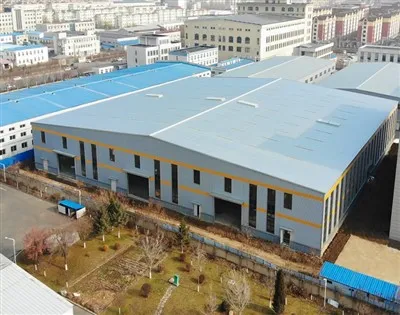
Look, I get it—when you’re dealing with storage, it’s easy to just go with what you’ve always done: rent a unit, squeeze into your existing warehouse, whatever. But industrial sheds aren’t just a “cool metal building” trend—they’re a practical, cost-effective solution that solves real storage problems. We’ve seen it with hundreds of clients, and we’ll see it with you too.
Sports Buildings If you’re tired of overpaying for storage, dealing with inaccessible spaces, or worrying about your goods being damaged or stolen, don’t wait. Reach out to us to chat about your needs—no pressure, no weird fine print, just honest advice about whether an industrial shed is right for you. We’re here to help you make your storage work for your business, not against it.
References
- American Institute of Steel Construction. Pre-Engineered Metal Buildings for Commercial Storage. 2023.
- National Association of Wholesale-Distributors. Cost-Benefit Analysis of On-Site Storage Structures for Small Businesses. 2022.
- Occupational Safety and Health Administration. Industrial Building Durability and Safety for Material Storage. 2021.
Shandong Honstar Construction Co., Ltd.
As one of the most experienced industrial sheds manufacturers in China, we have world-leading production equipment and strong manufacturing capabilities. Please feel free to buy cost-efficient industrial sheds for sale here from our factory. Contact us for more details.
Address: No.365, Xinhai street, Weifang, Shandong, China
E-mail: info@honstarconstruction.com
WebSite: https://www.steelbuildingchina.com/
