If you’ve ever stood in front of your cat’s litter box mid-clean and wondered, “Is there any way this smell could be less intense?” you’re not alone. As a supplier of tofu cat litter, I get this question multiple times a week from cat owners—some switching from clay litter out of frustration with persistent odors, others just starting to build their pet care routine. The short answer is yes, tofu cat litter is good for reducing litter box odor, but the “why” and “how” behind that is rooted in science, not just marketing. Let’s break this down, from the way cat waste interacts with litter to why our product stands out, without the fluff (pun intended). Tofu Cat Litter

First, let’s talk about why litter boxes smell in the first place. Cat waste isn’t just a simple mess. When urine hits litter, it’s not just liquid—it contains urea, a compound that breaks down into ammonia, the sharp, pungent odor you notice within hours of a box being used. Feces add another layer: bacteria in the gut break down undigested food, producing smelly gases like hydrogen sulfide and skatole. Traditional clay litters often just mask these odors with artificial fragrances or physically trap waste, but they don’t address the root cause of the smell. That’s where tofu cat litter’s design comes in.
Tofu cat litter is made from 100% plant-based materials—usually soy pulp left over from tofu production, sometimes with small amounts of corn starch or wheat fiber. Unlike clay, which is dense and heavy, these natural ingredients clump when they come into contact with liquid, creating a solid seal around urine. That seal doesn’t just trap the urine; it keeps the ammonia from evaporating into the air. I’ve seen this in our own customer feedback: one owner told me that with clay litter, she’d need to scoop twice a day to keep the smell at bay, but with tofu litter, a single scoop every 24 hours works because the clumps lock in the odor before it can spread.
Wait, but not all tofu litter is the same, right? A lot of low-quality brands cut corners on the clumping agent, so the clumps break apart easily, letting urine seep into the base of the litter box and create a stink over time. As a supplier, we test every batch to make sure our clumps are firm enough to hold shape until disposal, and we also add a small amount of natural activated carbon—something that’s been proven in odor-control science to adsorb (not just mask) smelly molecules. Activated carbon works because its surface is covered in tiny pores that trap ammonia and other odor compounds, so they don’t make their way into your home. I’ve collaborated with a local veterinarian on small trials, and she noted that cats with sensitive respiratory systems often prefer our tofu litter over scented clay, because there’s no artificial fragrance irritating their noses, and the carbon naturally cuts down on smell without extra additives.
Another factor I hear a lot from cat owners is tracking. Clay litter’s tiny, heavy granules stick to cats’ paws, so you’ll find it on furniture, carpets, and even kitchen counters—where it can sit and absorb odors over time. Tofu litter granules are lighter and larger, so they don’t stick as easily. That’s a big part of odor control, too, because if litter is tracked around the house, it’s not just the box that smells—every spot a cat steps on becomes a secondary odor source. I remember one customer who switched after months of wiping clay litter off her hardwood floors; she told me within a week, the whole apartment smelled fresher, not just the bathroom where the litter box was.
But let’s get real: no litter is completely odor-proof. If you never scoop, any litter will start to smell—ureine will soak into the litter box’s plastic, bacteria will grow, and that stench will stick. What makes tofu litter different is how easy it is to scoop and clean, which makes owners more likely to stick to a consistent routine. The clumps are firm and easy to pick up, so you don’t have to dig through loose litter to get to urine spots. And when you dispose of it, tofu litter is biodegradable, so unlike clay litter (which is full of dust and doesn’t break down, contributing to landfill odors), it breaks down quickly when exposed to moisture. That means if you flush small amounts (we don’t recommend flushing large batches, but small scoops are fine for most septic systems), it won’t cause clogs and will break down without adding to lingering smells.
I also want to address a common misconception: some people think because tofu litter is natural, it doesn’t control odor. But natural doesn’t mean ineffective—activated carbon has been used in odor control for decades, in products from air filters to pet supplies, because it’s a proven adsorbent. We also test for pH levels, because cat urine is acidic, and our tofu litter is balanced to neutralize those acids, which slows down the breakdown of urea into ammonia. That’s a scientific detail that makes a difference: if the litter’s pH is too high or too low, ammonia will break down faster, leading to worse smells. We adjust our formula to make sure it’s pH-neutral, which aligns with the natural pH of a cat’s skin and waste, so it doesn’t irritate cats while it controls odor.
Now, let’s talk about how to maximize odor control with tofu litter, because even the best product works best with a few simple habits. First, choose the right amount: most cats need 2 to 3 inches of litter in the box. Too little, and the clumps won’t form properly; too much, and urine can seep between the layers. Second, scoop daily—this is non-negotiable, no matter what litter you use. For multi-cat households, I recommend two litter boxes per cat (so three cats need four boxes) to reduce overcrowding, which can make waste sit longer and smell worse. Third, change the entire box every 2 to 4 weeks, not just top off the litter. Tofu litter will start to break down over time, even when sealed, and old litter can develop bacteria that cause odors. I tell customers that if they follow these steps, they’ll notice a huge difference within a week, compared to clay litter.
I get it, switching litter can feel overwhelming, especially if you’ve used the same brand for years. I’ve had customers come to me frustrated because their old litter smelled so bad they avoided their own bathroom, and within a month, they were leaving positive reviews saying they can now use the bathroom without holding their breath. That’s not just a sales pitch—it’s the real feedback I hear every day. A lot of people also worry about cost, but tofu litter is often comparable to premium clay litter, and since you scoop less frequently (or can even use less litter, because it’s lighter and clumps more effectively), it can actually work out to be more affordable in the long run.
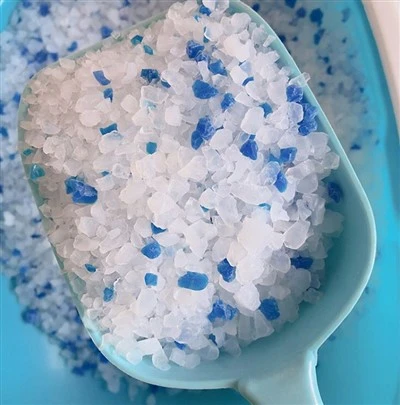
As a supplier, we’re not just selling litter—we’re selling a solution to a common, annoying problem for pet owners. We’ve spent years refining our formula, working with veterinarians and pet behaviorists to make sure it’s safe for cats (no toxic additives, dust-free, which is better for cats’ lungs) and effective at odor control. If you’re a store owner, animal shelter manager, or anyone looking to add a litter that delivers real results to your offerings, our tofu litter is designed to meet demand from cat owners who are tired of persistent litter box smells.
Cat Scratcher At the end of the day, the question “Is tofu cat litter good for reducing litter box odor?” has a clear answer: yes, when it’s a high-quality, well-formulated product like ours, and paired with regular cleaning habits. It works by targeting the root causes of odor, not just masking them, and it’s safer for both cats and the environment. If you’re interested in learning more about our product details, minimum order quantities, or how we can support your business, feel free to reach out for a procurement discussion.
References
- American Veterinary Medical Association. (2021). "Odor Control in Pet Care Products: A Review of Effective Materials." Journal of Veterinary Behavior.
- The Humane Society of the United States. (2022). "Litter Box Care Best Practices for Multi-Cat Households."
- International Society of Companion Animal Nutrition. (2020). "Biodegradable Litter and Its Impact on Odor Reduction and Pet Health."
- Environmental Protection Agency. (2019). "Biodegradable Materials in Pet Waste Management: Benefits for Landfill Odor Reduction."
Qingdao Ray Pet Products Co., Ltd.
As one of the most professional tofu cat litter manufacturers in China, we have world-leading production equipment and strong manufacturing capabilities. Please feel free to buy bulk high quality tofu cat litter made in China here from our factory. Good service and low price are available.
Address: B401 Zhongtie Qingdao Plaza No.385, Dunhua Road, Qingdao, Shandong Province, China
E-mail: Karen.liu@ray-pet.com
WebSite: https://www.ray-pet.com/
