Hey everyone, it’s Jake here from your go-to insulation accessories supplier – and let’s cut to the chase, because I get asked this question all the time: Are insulation accessories waterproof? If you’re someone who’s ever stood in a dripping attic at 2 a.m. trying to patch up foam board or wrestle with pipe wrap that’s soaked through, you know this isn’t just a random question. It’s the kind of thing that can make or break a job, turn a quick install into a nightmare, and even cost you a client if it goes south. So let’s break this down like we’re chatting over coffee, no stuffy engineering jargon, just real talk from the guy who ships these parts out weekly to contractors, handymen, and DIYers across the country. Insulation Accessories
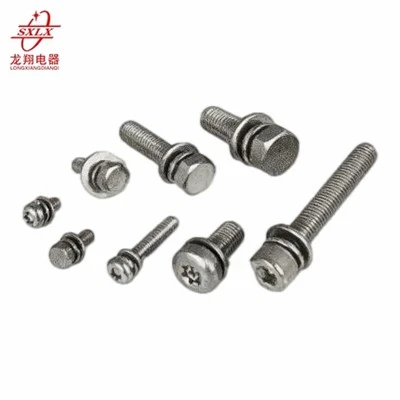
First off, let’s get one thing straight: “insulation accessories” is a super broad term. We’re not just talking about the foam pipe wrap you use for winterizing faucets. That’s the tip of the iceberg. We sell everything from the metal jacketing that wraps around ductwork in commercial buildings, to the self-adhesive tape that seals gaps in fiberglass batts, to the wire straps that hold insulation against attic rafters, to even the sealant caps that go on the ends of foam boards. Each of these parts is made for a different job, and their waterproofing ability? It’s all over the map. That’s where most people get confused – they see “insulation accessory” and assume it’s all the same. Nope, not even close.
Let’s start with the most common question I get: what about the insulation accessories people actually use in wet areas? Like, bathroom exhaust ducts, kitchen vent hoods, or crawl spaces that get damp from groundwater. If you’re insulating a pipe that runs through a basement that floods sometimes, or an attic that gets leaky during heavy rain, you need parts that can hold up to moisture. Not all of them do. For example, the basic fiberglass insulation tape you might grab from a big-box store? It’s not waterproof. It’s got a paper backing and an acrylic adhesive that turns mushy and peels off if it gets wet. I’ve had a handyman come to me last month ranting that his $5 a roll tape fell off mid-job because the attic roof leaked. He grabbed the wrong tape, simple as that. The good news is, we stock cross-laminated polyethylene (XLPE) tape – that stuff is waterproof, vapor-proof, and stands up to mild condensation. We also have butyl rubber tape, which is even better for areas that see consistent moisture, like around AC units that sweat. That tape won’t peel, it won’t break down, and it forms a permanent seal against water or humidity.
Then there’s the insulation jacketing. This is the big one for commercial HVAC and industrial jobs. Metal jacketing – aluminum, galvanized steel, even stainless steel – is obviously waterproof. But not all metal jacketing is created equal. The thin, roll aluminum jacketing you might use for a small residential duct? It’s waterproof, but if it gets punctured or isn’t sealed properly at the seams, water can sneak in through those gaps. That’s where our seam sealant comes in – it’s a butyl-based goop that you apply over the seams after you pull the jacketing tight, and it sticks to metal, plastic, and even fiberglass, creating a water-tight barrier. We also sell poly jacketing, which is plastic sheeting used for insulation in crawl spaces or around pipes. High-density poly jacketing is 100% waterproof, works great for vapor barriers, but it’s not as tough as metal – it can tear if you’re not careful when installing it, so you have to overlap the seams and tape them right. I always tell contractors: match the jacketing to the job. Don’t use thin aluminum jacketing for a roof duct that gets hit by hail – you’ll end up with leaks.
Now, what about accessories that are definitely not meant to be waterproof? Like, say, the wire straps we use to hold fiberglass batts in place. Those are galvanized steel, right? Wait, actually, some of our wire straps are coated with vinyl to prevent rust, but if they’re fully submerged in water for a long time, even the coated ones can corrode over time. And the insulation support pins that go into wall studs to hold foam board insulation? Those are usually plastic, which is waterproof, but if you use a cheap, low-grade plastic that breaks down from UV exposure (if it’s used outdoors), it can crack and let moisture get in. That’s why we only stock UV-stabilized plastic pins for outdoor jobs – they don’t break down from sun or rain.
Here’s a common misconception I want to clear up: waterproof isn’t the same as vapor-proof. A lot of people mix these two up, and it’s a costly mistake. If you have a crawl space that’s damp, and you use an accessory that’s just waterproof but not vapor-proof, it might keep liquid water out, but it won’t stop water vapor from seeping through. That vapor can get trapped behind the insulation, leading to mold growth, which is a whole other headache. For that, you need accessories that are rated as vapor barriers – like our XLPE tape and high-density poly jacketing, which have a permeability rating of less than 0.1 perms, so they stop almost all vapor from passing through.
I remember a job last year that drove this point home. A residential customer called us panicking because his new basement insulation was molding. He used regular fiberglass batts and the basic acrylic tape to seal the gaps between batts, and when his sump pump failed and the basement flooded for a few hours, the tape got wet, peeled, and water vapor seeped in through the gaps, turning the insulation moldy. We sent him a roll of our butyl tape and some XLPE jacketing, and explained that for basement jobs, you need vapor-proof accessories that can handle not just small leaks, but long-term humidity. He went from blaming the insulation to saying he never realized the accessories he used made such a big difference. That’s the thing about insulation – most people focus on the batt or the foam board, but the accessories are what actually make the whole system work. If your seams are leaking, or your jacketing isn’t sealed, the best insulation in the world is useless.
Now, let’s talk about what to look for when you’re buying insulation accessories if you need waterproof ones. First, check the material: look for polyethylene, butyl rubber, aluminum, stainless steel, or UV-stabilized plastic. Avoid materials like paper, regular acrylic adhesive, or thin uncoated metal if you need moisture resistance. Second, check the rating. Most good suppliers will list if an accessory is waterproof, vapor-proof, or both. Third, match it to the environment. If you’re working in a dry attic, you don’t need the heavy-duty butyl tape – that’s overkill and more expensive. But if you’re working in a bathroom or a crawl space, splurge on the waterproof, vapor-proof stuff. It’ll save you from callbacks down the line, which is way more expensive than the extra cost of the right parts.
I also get asked if all insulation accessories from a single supplier are the same. Nope, definitely not. A lot of big-box stores sell cheap, imported insulation accessories that are made for dry indoor use only. I’ve seen their tape turn to mush after a single exposure to condensation. Our products are tested in real-world conditions – we have a small lab here at our warehouse where we expose samples to continuous water spray, humidity chambers, and even freeze-thaw cycles to make sure they hold up. That’s why we only sell accessories that are rated for their intended use, no cutting corners. At the end of the day, we’ve been doing this for over a decade, and we’ve seen every mistake a contractor or DIYer can make. We stock the parts that actually work when it matters.
Wait, let’s cover one more edge case: outdoor insulation. If you’re insulating an outdoor pipe, like a backyard faucet or a roof vent, your accessories need to be not just waterproof, but UV-resistant too. Regular aluminum jacketing will oxidize and turn chalky after a year in the sun, which can lead to small cracks that let water in. Our outdoor-rated aluminum jacketing is coated with a acrylic lacquer that prevents oxidation, and our outdoor tape has UV-stabilized adhesive that doesn’t break down from sun exposure. That stuff will last for years, even in the harshest climates – we’ve had customers in Florida, Arizona, and the Pacific Northwest all say they’ve used our outdoor parts and had zero issues.
So to wrap this up, the short answer to “Are insulation accessories waterproof?” is: it depends. But that’s the boring answer. The real answer is, if you pick the right accessories for your job, yes – you can get insulation parts that are 100% waterproof, vapor-proof, and built to last. The key is not assuming all accessories are the same, doing a little research on what your specific job needs, and buying from a supplier that actually knows their stuff (hint, that’s us).

If you’re working on a job and you’re not sure which insulation accessories you need – whether it’s for a damp bathroom, a leaky attic, a flood-prone basement, or an outdoor pipe – hit us up. We’ve got experts on hand to walk you through what parts will work for your project, no sales pitch, just straight talk. We’ve shipped to contractors, handymen, and DIYers across the country, and we know exactly what works (and what doesn’t) when it comes to waterproof insulation accessories. Don’t waste time and money on cheap parts that will fail – get the right ones the first time. Connect with us today to chat through your project and get the parts you need.
40.5kV Vacuum Circuit Breaker References:
- ASHRAE Handbook – HVAC Applications, Chapter: Insulation and Vapor Retarders, American Society of Heating, Refrigerating and Air-Conditioning Engineers, Inc.
- International Residential Code (IRC) Section R608: Thermal Insulation, Exterior Insulation and Finish Systems, and Vapor Retarders, International Code Council.
- Insulation Materials and Accessories: Performance Requirements, ASTM International Standard C1288-18.
- Moisture Control in Building Assemblies: A Guide for Design, Construction, and Retrofit, National Institute of Building Sciences.
- Outdoor Durability of Insulation Jacketing Materials, U.S. Department of Energy Office of Energy Efficiency & Renewable Energy.
Shaanxi Longxiang Electrical Co., Ltd.
Shaanxi Longxiang Electrical Co., Ltd. is one of the most professional insulation accessories manufacturers and suppliers in China, also accepts customized orders. We warmly welcome you to buy advanced insulation accessories made in China here from our factory. Quality products and reasonable price are available.
Address: No. 619, Gaoxin Avenue, Comprehensive Bonded Zone, High-tech Development Zone, Baoji City, Shaanxi Province, China
E-mail: lee@longxiangelectric.com
WebSite: https://www.longxiang-electric.com/
