Hey everyone, Batch Pyrolysis Plant
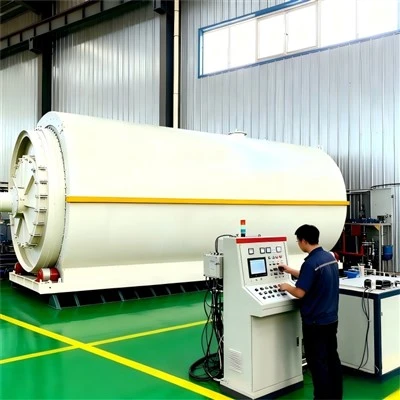
I’m Jake, and if you’re in the market for a batch pyrolysis plant, you’ve probably already heard the basics: it turns waste plastic, rubber, or even biomass into fuel oil, carbon black, and syngas—total game-changer for waste management and circular economy goals, right?
But as someone who’s supplied these plants for over 8 years, I don’t just sell the good stuff. I’ve seen the mistakes folks make when they jump into batch pyrolysis without really understanding its downsides. Let’s cut through the marketing fluff and talk about the real drawbacks of batch pyrolysis plants, because ignoring these can leave you wasting money, time, and even getting stuck with regulatory headaches.
First off, there’s the low processing efficiency, and I’m not just talking about “it doesn’t run fast.” Batch pyrolysis works in cycles—you load the reactor, seal it, heat it, hold it for a set time, then cool it down, unload the finished products. That whole cycle? For a standard 10-ton per day plant, that’s roughly 24 to 30 hours per batch. Multiply that by downtime for loading, unloading, and prepping the next batch, and you’re looking at only 18 to 22 operational hours a day max. Compare that to continuous pyrolysis plants that run 24/7 with no breaks, and suddenly your daily throughput is way lower than you thought. I had a customer last year who bought a 15-ton batch plant thinking it’d process 15 tons daily, but he was only getting 10 tons because of all the downtime. He lost $12k in the first quarter alone because he couldn’t fulfill a contract for local plastic waste. It’s not the plant’s fault, but it’s a key drawback people sleep on.
Next, product consistency is a major issue. Every batch is different. Depending on what you feed in—one batch might be clean LDPE plastic, the next might have a mix of PVC, rubber with steel cords, even food residue—and the heating rate, cooling rate, and how long you hold the reaction, the oil you get can vary a lot. One batch might have 85% heavy fuel oil, the next 60%, plus more light gases. Carbon black quality? That’s all over the place too. Some batches get carbon black good for solid fuel, others have too much ash to even sell. A lot of our clients thought they’d make a steady stream of high-value fuel, but when their buyers rejected a batch because it had higher sulfur than the last, they had to discount it 30% or sell it at a loss. Continuous plants fix this by having a steady feed and controlled conditions, but batch? You’re at the mercy of each individual load.
Then there’s the manual labor and operational load. Batch plants aren’t set-it-and-forget-it. Someone’s got to load 2 to 3 tons of waste into the reactor every time—for a 10-ton plant, that’s 4 trips to load, 1 to unload. That’s physical work, and if you’re short-staffed (which a lot of small to mid-sized waste facilities are), you’re either running the plant 12-hour shifts yourself or paying overtime. Plus, you’ve got to monitor the whole cycle: pressure gauges, temperature, emissions. A single mistake in loading can cause a fire, or a pressure spike can damage the reactor. I’ve seen a customer skip a safety check on a batch and end up with a cracked reactor, costing $25k in repairs and a 2-month shutdown. Continuous plants cut that labor way down because everything’s automated, but batch? It’s hands-on, almost every step.
Emissions and regulatory compliance are another big one, and it’s only getting stricter. Older batch plants don’t always have proper emission control systems. Because each batch has a unique reaction, the volatile gases released can spike—sometimes more than the scrubbers or filters are designed for. That means you might get hit with a fine from environmental agencies if you’re not monitoring real-time emissions. A customer in Ohio had to shut down for 2 weeks last year because their batch plant released excess particulate matter during a mid-cycle temperature bump. Also, some places ban batch pyrolysis entirely because of past bad actors cutting corners on emissions. Continuous plants have more controlled, steady emissions that are easier to treat, so they pass regulations more consistently.
Cost efficiency is tricky too. Wait, I know—you hear batch plants are cheaper upfront than continuous ones, and that’s true. But when you add up the hidden costs, it can end up being more expensive long-term. Let’s break it down: lower throughput means you’re running the plant more hours to hit your production targets, so higher energy bills. More frequent wear and tear on the reactor because every cycle involves heating and cooling (thermal stress is real, guys—reactor walls crack faster with batch heating). Higher labor costs, as I mentioned. And if you’re selling inconsistent product, you can’t command top dollar. I had a customer who paid $80k for a 10-ton batch plant, but after 2 years of lower production, overtime, and discounted oil, he’d spent $35k more than if he’d bought a smaller continuous plant, plus he had to take on extra debt to expand because his batch plant couldn’t keep up.
Storage issues, too. Because each batch produces different amounts of products, you need more storage space. If one batch makes 8 tons of oil, another makes 5, you can’t just have one oil tank. You might need 2 or 3 tanks to separate different quality batches, which takes up space. Carbon black? You’ve got to store it separately too, especially if some batches are higher grade. For a small facility with limited space, that’s a big problem. I had a customer in Texas who had to rent extra warehouse space for 6 months because his batch plant’s storage couldn’t keep up, adding $1,200 a month in costs.
Wait, let me be clear—this isn’t to scare you off from batch pyrolysis entirely. They’re still great for small to mid-sized operations, or for places that process mixed waste that’s too inconsistent for continuous plants, or for folks who can’t afford the upfront cost of a continuous system. But the key is going in with your eyes open, knowing these drawbacks, and planning for them.
So what can you do to mitigate these issues? If you’re set on a batch plant, go with one that has semi-automated loading and unloading (we add that to all our plants now—cuts labor by 40% right there). Make sure it has a modular emission control system that adjusts to batch-specific gases, not a one-size-fits-all filter. And test your feedstock thoroughly every single batch—sort your waste so you’re not mixing PVC with clean plastic, because that’s one of the biggest causes of bad product quality.
At the end of the day, every plant has pros and cons. Batch pyrolysis plants aren’t perfect, but they’re a solid fit for the right operation. If you’re tired of marketing hype and want to talk through your specific waste type, production goals, and what you’re working with locally, I’m here to help. No sales pitch, no pressure—just real talk about what will work for you.
Reach out if you want to dive into the details, and we can walk through how to handle those drawbacks I mentioned. Let’s build something that makes sense for your business, not just checks a box.
Pyrolysis Plant References:
- International Energy Agency (IEA). (2022). Pyrolysis for Waste-to-Energy: Technology Status and Market Trends.
- Environmental Protection Agency (EPA). (2021). Air Emission Guidelines for Small-Scale Thermal Waste Treatment Systems.
- Waste & Resource Action Programme (WRAP). (2023). Batch vs Continuous Pyrolysis: Operational Cost Comparisons for Small Waste Facilities.
- Pyrolysis Technology Association (PTA). (2022). Product Quality Variability in Batch Pyrolysis Systems.
Shangqiu Aotewei Environmental Protection Equipment Co., Ltd.
Shangqiu Aotewei Environmental Protection Equipment Co., Ltd. is one of the most professional batch pyrolysis plant manufacturers and suppliers in China, also supports customized service. Please feel free to buy CE approved batch pyrolysis plant at competitive price from our factory. Welcome to contact us for pricelist.
Address: No.88 Longhai Road, Liangyuan District, Shangqiu City, Henan Province, China
E-mail: colin@henanpower.com.cn
WebSite: https://www.aoteweitech.com/
