If you work in industries like automotive, consumer goods, medical devices, or electronics, you’ve probably encountered TPE and TPR compounds—those versatile, rubbery materials that blend plastic’s processability with rubber’s flexibility. As a supplier of these compounds, I get asked all the time: “Do TPE and TPR need special storage?” It’s a question that trips up a lot of new clients, especially small manufacturers who might store resins in a back warehouse alongside raw materials for rigid plastics. Over the 12 years I’ve been running this part of our business, I’ve seen too many batches go to waste because someone cut corners on storage, and too many success stories when we get storage right. Today, I want to break down exactly what our compounds need, why it matters, and the small, actionable steps that make all the difference. TPE and TPR Compounds
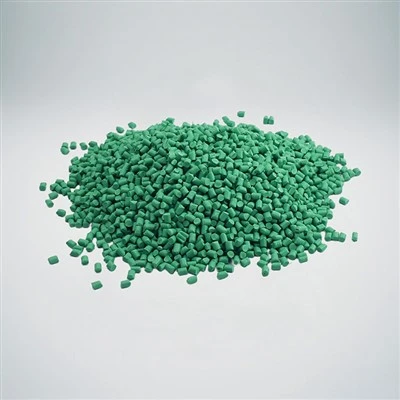
First, let’s clear up a common mix-up: TPE (Thermoplastic Elastomer) and TPR (Thermoplastic Rubber) are often used interchangeably, but they’re slightly different in structure—and that difference affects storage. TPE is a broad category that includes block copolymers (like SEBS, SBS) and blends with plastic resins, while TPR is typically a subset of TPE made from polypropylene (PP) blended with rubber. Both are thermoplastic, meaning they melt when heated, unlike cross-linked thermoset rubbers that cure permanently. That thermoplastic structure is why storage conditions matter so much: if TPE/TPR degrade before processing, they lose that easy-melting, flexible, durable character your product relies on.
Let’s start with the biggest enemy of TPE and TPR: moisture. Wait—moisture? You might think, “It’s a rubbery plastic, not a hygroscopic resin like nylon.” But that’s where most folks go wrong. A lot of TPE/TPR compounds—especially the ones we make for medical, food-contact, or outdoor uses—include additives like plasticizers, flame retardants, or biocides, and some of those additives are moisture-sensitive. More importantly, even non-additivized TPEs, like SEBS-based grades, absorb small amounts of moisture from humid air. When you heat a TPE pellet that’s holding water during extrusion or injection molding, that moisture turns to steam, causing defects: splay marks (those fuzzy, uneven spots on molded parts), bubbles, or even brittleness because the material’s molecular structure breaks down around the steam bubbles.
I’ll share a story from a client last year: a small outdoor gear manufacturer that ordered 500 kg of our TPE for waterproof phone case seals. They stored the pellets in a cardboard box on their warehouse floor for three weeks during monsoon season, and when they ran them on their molding machine, every batch had splay marks that required full rework. When they sent the bad pellets back to us, we tested their moisture content—it was 0.8%, way above our recommended maximum of 0.2%. It’s a tiny number, but for TPE, 0.2% is the sweet spot. Fixing that would’ve cost them 30 hours of downtime and $1,200 in material waste. We ended up sending them a small portable dehumidifier and a few airtight poly bags for their storage, and their next batch came out perfect. That’s the kind of preventable mistake I see all the time.
Next, let’s talk about temperature. TPE and TPR are thermoplastic, but their glass transition temperature (Tg)—the point where they go from solid to flexible—is lower than many rigid plastics. Store them in extreme heat, and you’ll get pellets that stick together, or even start to “block” (form large clumps) in the bag. We once had a client in a desert warehouse that left a pallet of TPE outside for two days, and by the time they moved it, the top 10 layers were solid blocks. Trying to break those apart damages the pellets, so they couldn’t be fed into molding machines evenly, leading to inconsistent part quality.
On the flip side, cold temperatures aren’t great either—at temperatures below -10°C (14°F), many TPE/TPR grades become brittle. If you’re storing pellets in a cold warehouse in winter, make sure to acclimate them to room temperature for at least 24 hours before processing. We always remind our clients that storage temperatures should stay between 10°C and 30°C (50°F to 86°F) to keep pellets intact. Avoid storing them near heaters, furnaces, or direct sunlight—sunlight’s UV rays will break down the molecular bonds in TPE/TPR over time, leading to yellowing, reduced flexibility, and shorter product lifespan. We even supply UV-stabilized grades for outdoor uses, but UV protection only works if the pellets aren’t already degraded before processing.
Another big one: contamination. TPE and TPR are highly sensitive to cross-contamination from other resins. A small amount of PVC, ABS, or even nylon mixed in with your TPE pellets can cause issues during processing—PVC can release harmful fumes at high temperatures, for example, and even a tiny amount of rigid plastic can make your TPE part less flexible than intended. That’s why storage is all about segregation: don’t store TPE pellets in the same area as rigid resins, and definitely don’t mix batches of different TPE/TPR grades. We’ve seen clients who bought a small quantity of clear TPR for a consumer product, then stored it next to black TPE for automotive parts, and accidentally mixed 5% of the black pellets into the clear batch. The result? A full batch of clear parts that had tiny black specks, unfit for sale.
Also, make sure storage areas are clean—no dust, dirt, or food particles. If pellets pick up contaminants, those can end up in your final product, which is a huge issue for medical or food-contact applications. We have one medical client that does weekly deep cleans of their storage racks, because even a speck of dirt from a floor sweep can ruin a batch of TPEs for syringe plunger grips.
Wait, what about packaging? That’s a small detail, but it matters a lot. Our standard packaging is airtight polypropylene bags with a moisture-barrier layer, and we recommend that clients keep pellets in those bags until they’re ready to use. If you open a bag and don’t use all the pellets, seal it tightly—we add a small desiccant packet in every bag for extra moisture protection, but desiccants only work if the bag is sealed. Some clients transfer pellets to open bins or cardboard boxes, which is a quick way to expose them to moisture and dust. We also offer bulk storage drums for larger orders, which are airtight and stackable, perfect for warehouses with limited space.
Now, let’s talk about shelf life. A lot of people ask: “How long can I store TPE/TPR before it goes bad?” The short answer is, if stored correctly, most grades have a shelf life of 12 to 24 months. But that’s only if you stick to the conditions we’ve discussed: cool, dry, segregated, out of sunlight. If you store them in a humid, hot area, that shelf life drops to 6 months or less. How do you tell if your pellets are bad? A simple test: grab a few pellets, try to bend them. If they crack or break easily, they’re degraded. Or if they smell sour or chemical, that’s a sign that the additives have broken down. We always recommend using the first-in, first-out (FIFO) method for storage—use the oldest pellets first—to avoid expiration.
I know this might sound like a lot of work, but the good news is that most of these storage steps are simple, low-cost, and save you a lot of money in the long run. We don’t just sell you TPE and TPR compounds—we work with our clients to make sure their storage and processing go smoothly, because your success is our success. Whether you’re a small startup testing a new prototype or a large manufacturer with a busy production line, we can help you choose the right grade for your needs, plus give you custom storage tips based on your facility.
If you’re currently dealing with degraded pellets, rework waste, or inconsistent part quality because of storage issues, or if you’re looking to switch to a reliable TPE/TPR supplier, we’re here to help. Let’s connect to talk through your specific needs and find the right solutions for your business.
Communication Cable Compounds References:
- ASTM D4591-17, Standard Test Method for Determining Temperature and Time of Baking for Thermoplastic Materials
- “Thermoplastic Elastomers: Properties, Processing, and Applications” – William Andrew Publishing, 2019
- SPI (Society of the Plastics Industry) Best Practices for Storage of Thermoplastic Resins, 2021
- “Moisture Sensitivity of Thermoplastic Elastomers for Medical Applications” – Journal of Medical Plastics and Biomaterials, 2020
Opta New Materials (Jiangsu) Co., Ltd.
As one of the most professional TPE and TPR compounds manufacturers and suppliers in China, we also support customized service. We warmly welcome you to buy bulk durable TPE and TPR compounds from our factory. If you have any enquiry about free sample, please feel free to email us.
Address: No.80, Jingang Avenue, Zhenjiang New Area, Zhenjiang City, Jiangsu Province, China.
E-mail: le.yin@optachem.com
WebSite: https://www.optanewmaterials.com/
