As a supplier of High Temp HEPA filters, I’ve encountered numerous situations where customers face issues with these filters. Troubleshooting a High Temp HEPA filter is a process that requires a systematic approach and a good understanding of the filter’s design and function. In this blog, I’ll share my insights on how to troubleshoot these filters effectively. High Temp HEPA Filter
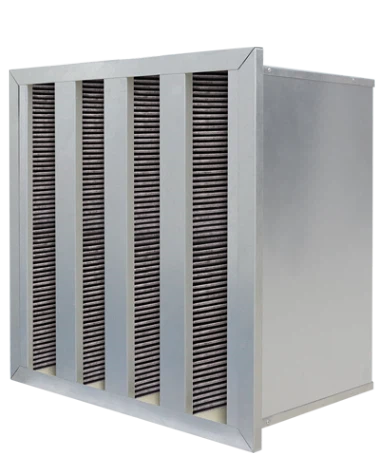
Understanding the Basics of High Temp HEPA Filters
Before we delve into troubleshooting, it’s essential to understand what High Temp HEPA filters are and how they work. High Temp HEPA filters are designed to operate in high – temperature environments, typically up to 250°C or even higher in some cases. They are used in various industries such as aerospace, pharmaceuticals, and semiconductor manufacturing, where clean air is crucial even under extreme temperature conditions.
These filters work on the principle of mechanical filtration. They trap particles as air passes through the filter media. The filter media is made of a fine mesh that can capture particles as small as 0.3 microns with an efficiency of 99.97% or higher.
Common Issues and Troubleshooting Steps
1. Reduced Airflow
One of the most common problems with High Temp HEPA filters is reduced airflow. This can be caused by several factors:
- Clogging: Over time, the filter media can become clogged with particles. To check for clogging, you can visually inspect the filter. If it appears dirty or discolored, it may be clogged. In such cases, you can try cleaning the filter according to the manufacturer’s instructions. Some High Temp HEPA filters can be cleaned using compressed air or a gentle vacuum. However, be careful not to damage the filter media during the cleaning process.
- Incorrect Installation: A filter that is not installed correctly can also cause reduced airflow. Make sure that the filter is properly seated in its housing and that there are no gaps around the edges. Check the seals and gaskets to ensure they are in good condition.
- Fan or Blower Issues: If the fan or blower that is responsible for moving air through the filter is not working properly, it can result in reduced airflow. Check the fan motor for any signs of damage or malfunction. You may need to consult an electrician or a technician to repair or replace the fan.
2. High Pressure Drop
A high pressure drop across the filter is another common issue. This means that there is a significant difference in pressure between the inlet and the outlet of the filter.
- Filter Loading: As the filter captures more particles, the pressure drop across the filter increases. If the pressure drop is too high, it may indicate that the filter is nearing the end of its service life and needs to be replaced. You can measure the pressure drop using a differential pressure gauge. Compare the measured pressure drop with the manufacturer’s specifications to determine if the filter needs to be changed.
- Filter Media Damage: Damage to the filter media can also cause a high pressure drop. Inspect the filter media for any holes, tears, or other signs of damage. If the media is damaged, the filter should be replaced immediately to ensure proper filtration performance.
3. Poor Filtration Efficiency
If the filter is not effectively removing particles from the air, it could be due to the following reasons:
- Filter Media Degradation: High temperatures can cause the filter media to degrade over time. This can reduce the filter’s ability to capture particles. Check the filter media for signs of discoloration, brittleness, or other signs of degradation. If the media is degraded, replace the filter.
- Seal Leakage: A leak in the filter housing or around the seals can allow unfiltered air to bypass the filter. Inspect the seals and gaskets for any signs of wear or damage. Replace any damaged seals to ensure a proper seal.
4. Unusual Noise
Unusual noise coming from the filter system can be a sign of a problem.
- Vibration: Loose components or improper installation can cause the filter to vibrate, resulting in noise. Check all the mounting brackets and fasteners to ensure they are tight. Also, make sure that the filter is properly aligned within the housing.
- Fan Issues: A malfunctioning fan can also produce noise. Check the fan blades for any damage or imbalance. If the fan is making a rattling or grinding noise, it may need to be repaired or replaced.
Preventive Maintenance
To minimize the need for troubleshooting, it’s important to implement a preventive maintenance program for High Temp HEPA filters.
- Regular Inspections: Conduct regular visual inspections of the filters to check for signs of damage, clogging, or degradation. This can help you identify potential problems before they become serious.
- Filter Replacement Schedule: Follow the manufacturer’s recommended filter replacement schedule. This will ensure that the filters are replaced at the appropriate time to maintain optimal filtration performance.
- Cleaning and Maintenance: If the filters are designed to be cleaned, follow the manufacturer’s cleaning instructions carefully. Regular cleaning can extend the service life of the filters.
When to Seek Professional Help
In some cases, troubleshooting High Temp HEPA filters may require the expertise of a professional. If you are unable to diagnose or fix the problem on your own, or if the problem persists after attempting to troubleshoot, it’s advisable to contact a qualified technician or the filter manufacturer. They have the knowledge and experience to handle complex issues and can provide you with the best solutions.
Conclusion

Troubleshooting High Temp HEPA filters requires a combination of knowledge, experience, and a systematic approach. By understanding the common issues and following the troubleshooting steps outlined in this blog, you can effectively diagnose and resolve problems with your High Temp HEPA filters. Remember, preventive maintenance is key to ensuring the long – term performance of these filters.
Disposable Pre Air Filters If you are in need of High Temp HEPA filters or have any questions about troubleshooting, we are here to help. Our team of experts can provide you with the best advice and solutions for your filtration needs. Contact us to start a procurement discussion and find the right High Temp HEPA filters for your application.
References
- "High – Efficiency Particulate Air (HEPA) Filters: Design, Performance, and Applications" – Published by a leading filtration research institute.
- Manufacturer’s manuals and technical documents for High Temp HEPA filters.
Snyli Environmental Technology (Shandong) Co., Ltd.
Snyli Environmental Technology (Shandong) Co., Ltd. is well-known as one of the leading high temp hepa filter manufacturers and suppliers in China. Please feel free to wholesale high quality high temp hepa filter at competitive price from our factory. Contact us for more details.
Address: Room 907, Building 1, Qisheng Plaza, 1666 Xinluo Street, Jinan Area, China (Shandong) Pilot Free Trade Zone
E-mail: info@snyli.com
WebSite: https://www.snylifilter.com/
