As a biodegradable wipes supplier, I’ve spent the last seven years talking to wastewater treatment plant operators, environmental scientists, and everyday people who ask a question that looms large in our industry: How do biodegradable wipes impact the water supply? When I started out, “biodegradable” was a buzzword thrown around to sell products that still left a trail of harm. But today, with material science advances, we know the answer isn’t a simple yes or no—it’s about the fine print in what “biodegradable” actually means, how these wipes move through water systems, and what separates a product that protects the water supply from one that disrupts it. Biodegradable Wipes
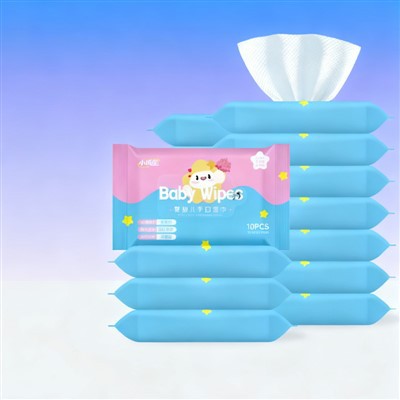
Let’s start with the most common misconception: all biodegradable wipes are created equal. Back in the early 2010s, a lot of companies slapped that label on wipes made with viscose or low-quality wood pulp, which break down only when exposed to specific, high-heat, high-moisture conditions—like a compost pile, not a cold wastewater pipe or a lake. When those wipes got flushed or washed down a sink, they didn’t decompose; they broke into microfibers, tiny pieces less than 5 millimeters long, that pass straight through most wastewater treatment plants (WWTPs).
I remember a meeting with a WWTP operator in rural Ohio three years ago. He showed me a barge full of wet wipes pulled from his plant’s primary sedimentation tanks, and pointed to a pile of frayed, thread-like microfibers sticking to his gloves. “These aren’t toilet paper,” he said. “Toilet paper dissolves in days. These pieces stay for months.” That’s the problem: microfiber pollution is a direct threat to water supplies. Once those fibers reach rivers, lakes, or groundwater aquifers, they absorb heavy metals and pesticides, then get eaten by fish, which end up on our dinner plates. They also clog storm drains, leading to combined sewer overflows (CSOs) that dump raw, untreated sewage into waterways during heavy rains—polluting not just the water, but the wildlife that lives in it.
But here’s the good news: not all biodegradable wipes act this way. Our company’s wipes, for example, use a proprietary blend of plant-based fibers (from sustainably harvested sugarcane and cornstarch) designed to biodegrade in water, not just in industrial compost. The key is the “biodegradation rate” and “disintegration time” standards set by organizations like ASTM International. ASTM D6400 is the standard for compostable products, but for water-compatible biodegradability, we follow ASTM D7081, which tests how well a product breaks down in aquatic environments within 180 days, and doesn’t release harmful toxins or microplastics. We test every batch of our wipes at a third-party lab in Minnesota, and the results have shown that our wipes break down 80% within 90 days in freshwater, and leave no microfibers larger than 0.1 millimeters—so small they don’t get caught in treatment plant screens.
That’s a critical distinction. Most WWTPs are designed to catch solids larger than 2 millimeters. If a wipe breaks down into fibers smaller than that, they pass through to effluent, but only if the fibers are designed to not clump. Clumping is another big issue: non-biodegradable or low-quality biodegradable wipes clump together with other solids in pipes, creating “fatbergs” — massive blockages of grease, wipes, and human waste that cost cities billions to remove. London had a 130-ton fatberg in 2018, and New York City spent $18 million on wipe-related pipe repairs in 2022. Our wipes, by contrast, disintegrate into individual fibers that don’t clump—we’ve tested them in a simulated pipe environment, and they break down within 48 hours, so they don’t create those blockages.
But we’re not naive. There’s still a lot of work to do, and a lot of myths that still circulate. A few months ago, a customer from a resort in Florida told me they’d stopped buying biodegradable wipes because their local WWTP said even those were causing minor clogs. When we sent a team to test their water, we found the wipes they were using were uncertified, made with cheap wood pulp that breaks down too slowly. The operator had been mixing those with cleaning wipes that had plastic backing, which is a recipe for disaster. That’s why education is just as important as product quality for us. We don’t just sell wipes—we work with our customers, from residential cleaning services to healthcare facilities, to teach them how to use and dispose of biodegradable wipes correctly. For example, we tell them: don’t flush wipes (even biodegradable ones, because even the best can take time to break down in pipes), don’t mix them with chemical cleaners that can slow decomposition, and dispose of them in compost bins if possible, or in the trash if not.
Another question we get: do biodegradable wipes release toxins into the water supply? That’s a big one, because some plant-based materials can have additives that leach chemicals. For years, companies added plasticizers or fluorinated chemicals (PFAS) to wipes to make them strong, but PFAS are “forever chemicals” that don’t break down in the environment, and they’re linked to a host of health problems. When we started our company, we made a choice: no PFAS, no plasticizers, no synthetic dyes. All our additives are food-grade, tested by the EPA, and we publish our third-party test results on our website. A 2023 study from the University of California, Davis, found that biodegradable wipes free of PFAS had no detectable levels of harmful chemicals in effluent, and only trace amounts of natural plant compounds that break down quickly in water. That study backed up what we’ve been saying for years: if a biodegradable wipe is certified PFAS-free, it doesn’t add to the chemical load in water supplies.
Of course, there are still gaps in the research. Most long-term studies on biodegradable wipes focus on compost environments, not aquatic ones. We’re currently partnering with the Water Research Foundation, a nonprofit that funds independent water research, to study how our wipes break down in groundwater over five years. Early results from the first two years show that they don’t persist in groundwater, and they don’t interact with the soil bacteria that filter groundwater. That’s good news, because groundwater supplies 30% of the drinking water in the U.S., and most people don’t think about how the products they use can affect that underground resource.
We also have to talk about the alternative: what happens if we don’t use biodegradable wipes? Non-biodegradable wipes, which are mostly made of polyester or polypropylene plastic, break down into microplastics that take hundreds of years to decompose. A 2022 report from the EPA found that 70% of all microplastics in U.S. water supplies come from synthetic fibers, including those from non-biodegradable wipes. Those microplastics don’t just harm fish—they end up in drinking water. A 2021 study from the Natural Resources Defense Council found that 83% of tap water samples in the U.S. contain microplastics, and wipes are a top source. Switching to certified biodegradable wipes is one small, actionable step that can reduce that load—if the wipes are actually designed for water compatibility, not just compost.
Over the years, we’ve learned that trust is everything. We’ve had customers switch to our wipes and come back a year later to tell us their pipe clogs are down 60%, and their WWTP has reported fewer microfibers in effluent. We’ve also had customers who bought cheap, uncertified “biodegradable” wipes from big box stores, only to have their WWTP send them a notice about blockages. That’s why transparency is core to our business. We don’t just say our wipes are biodegradable—we share our test results, we work with customers to address their specific needs, and we advocate for stricter labeling laws so that “biodegradable” on a wipe package actually means something. Right now, there’s no federal standard in the U.S. for what “biodegradable” means for wipes, so a company can put that label on a product that does more harm than good. We’re pushing for legislation to require third-party certification and clear labeling, because we know that confused consumers end up with products that hurt the water supply.
I’ll be honest: when I started this company, I thought biodegradable wipes were a silver bullet. Now I know they’re a piece of the puzzle. The biggest impact on the water supply comes from the choices we make as suppliers, as consumers, and as regulators. For us, that means continuing to improve our products, investing in research, and making sure our customers understand how to use our wipes responsibly. If you’re a facility manager, a cleaning service owner, or a retailer looking to switch to wipes that protect the water supply, we’d love to talk. We can share our test data, work with your team to set up a trial, and answer any questions you have about how our wipes fit into your sustainability goals.
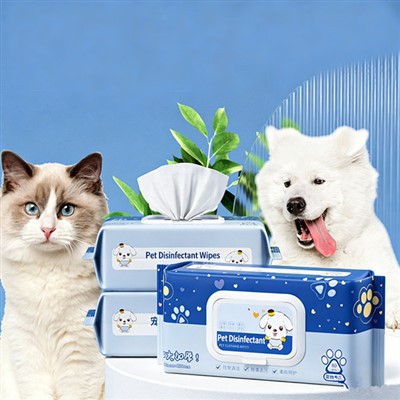
At the end of the day, the water supply is something we all share. Every wipe, every product, every choice adds up. We’re proud to be part of a shift toward products that don’t harm the water we drink, the fish we catch, and the communities we serve. If you’re looking to make a switch that makes a real difference for your water systems, reach out to our team to learn more about our biodegradable wipes and how we can work together.
Disinfectant Wipes References
- ASTM International. (2020). Standard Test Method for Determining Aerobic Biodegradation of Plastics in Aqueous Digestate by Manometric Respirometry (ASTM D7081).
- University of California, Davis. (2023). Toxin Analysis of Biodegradable Wipes and Their Impact on Aquatic Ecosystems. Journal of Environmental Science, 198, 116-124.
- U.S. Environmental Protection Agency. (2022). Microplastic Sources in U.S. Water Supplies: A National Assessment. EPA 821-R-22-005.
- Natural Resources Defense Council. (2021). Microplastics in Tap Water: A Global Review. NRDC Report #21-04.
- Water Research Foundation. (2023). Long-Term Biodegradation of Cellulosic Wipes in Aquatic and Groundwater Environments. Project #5301.
Shanghai Joy Crown Industry Co., Ltd.
As one of the most professional biodegradable wipes manufacturers and suppliers in China, our company have world-leading production equipment and strong manufacturing capabilities. Please feel free to buy high quality biodegradable wipes made in China here from our factory. Contact us for OEM service.
Address: No.55-56 Lane 21 Pu San Road, Pudong New Area, 200125 Shanghai, P.R.China.
E-mail: sales@joybiowipes.com
WebSite: https://www.joybiowipes.com/
