Hey everyone, I’ve been getting this question nonstop lately from metal fabricators, hobbyists, and even small manufacturing teams—“Can a hood furnace really be used for melting metals?” As a hood furnace supplier, I don’t just give a generic yes or no here. Let’s break this down straight, no jargon, because I know you just want the real answer that works for your shop. Hood Furnace
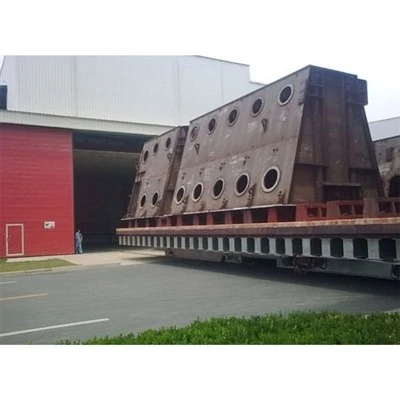
First, let’s get clear on what a hood furnace even is, for anyone new here. A hood furnace is basically a vertical, batch-style furnace with a removable “hood” (the top part) that covers your work area. Most are electrically heated these days, though you’ll still find gas-fired ones for bigger setups. They’re super common for heat treating, annealing, brazing—stuff that needs consistent, controlled heat. But melting? That’s a whole different beast. I’ve seen guys grab a hood furnace off a shelf and expect it to smelt aluminum, brass, maybe even gold without thinking, and then they come back frustrated because it didn’t work. Here’s why that happens.
First, the good news: You can melt some metals in a hood furnace—just not all of them. The key here is temperature capability. Most standard industrial hood furnaces top out around 1,200°C (2,192°F) for electric models, and up to 1,600°C (2,912°F) for high-temp ones. Let’s check common metals’ melting points: Aluminum melts at ~660°C (1,220°F), brass is ~900–940°C (1,652–1,724°F), and gold is ~1,064°C (1,947°F). Those? Totally doable in a properly sized hood furnace. But then there’s copper, which melts at ~1,085°C (1,985°F) — right at the upper limit of many mid-tier hood furnaces. Steel? Oh, mild steel is ~1,538°C (2,800°F), stainless is even higher. That’s way past what most standard hood furnaces can handle. So if you’re trying to melt steel, a hood furnace just isn’t going to cut it—sorry, but don’t waste your time (or your furnace’s elements) on that.
But wait, even if your metal’s melting point is within range, there are other factors that trip people up. The biggest one is atmosphere. Most hood furnaces are designed to run with a controlled atmosphere—like nitrogen, argon, or even just inert air—to prevent oxidation during heat treating. When you’re melting metal, oxidation is a huge problem. Aluminum will form a tough oxide layer (Al2O3) that floats on top of the melt and messes with casting or forging. Brass is even worse—it has zinc, which vaporizes at high temps, leaving you with brittle, uneven metal. So if your hood furnace is set up for a controlled atmosphere that’s not optimized for melting, you’re gonna get garbage results. That’s one thing my team actually recommends modifying when a customer reaches out to us about melting in a hood furnace: swap out the standard atmosphere setup for a vacuum or a reducing atmosphere (like forming gas) to cut down on oxidation.
Then there’s the work zone design. Hood furnaces have a heating chamber that’s usually built to hold parts on trays or fixtures, not crucibles. Crucibles are what you use to hold molten metal, right? Most hood furnaces don’t have enough clearance in the work area to fit a crucible large enough for meaningful melts—unless you get a custom-sized one. Also, the heating elements in a standard hood furnace are located on the sides and top, so heat distribution might not be uniform around a crucible. You could end up with some parts of your metal fully molten, others still solid, which is a waste of time and material. I’ve had a customer last year try melting 10 lbs of aluminum in an off-the-shelf hood furnace, and half of it was solid because the bottom of the crucible wasn’t getting enough heat. He ended up reaching out to us to adjust the heating element placement in his hood to fix that.
Now, let’s talk about who this actually makes sense for. If you’re a small metal shop doing short runs—like melting aluminum for custom castings, or small brass parts for jewelry or prototypes—a hood furnace can be a way better fit than a dedicated melting furnace. Why? Because hood furnaces are already versatile for other jobs. You can use the same unit to anneal steel parts one day, braze aluminum the next, and melt small batches the day after. No need to buy separate equipment for every task, which saves space and money for smaller operations. I also work with a bunch of hobbyist metalcasters who love hood furnaces for their home shops—they’re safer than open-top furnaces (no exposed flames) and easier to control once dialed in.
But here’s the catch: you can’t just pull a standard hood furnace out of the box and start melting. You need to make sure it’s set up for the job. Here’s a quick checklist I go over with every customer who asks about melting:
- Check your max temp: Make sure your hood furnace can hit the melting point of your metal, plus 100–150°C to account for heat loss and hold time.
- Modify the atmosphere: Swap to a reducing or vacuum atmosphere to cut oxidation. If you don’t, your melt will be full of defects.
- Use the right crucible: Not all crucibles work for hood furnaces. For aluminum, a graphite crucible is fine; for brass, you might need a ceramic-lined crucible to resist corrosion. Also, make sure the crucible fits properly in the work zone—too small and you’re wasting space, too big and you can’t close the hood right.
- Adjust heating cycles: Melting metal needs a slower, more steady heat ramp than heat treating. You don’t want to blast it to temp fast and risk cracking the crucible or uneven melting.
I’ve also seen some guys try to use a hood furnace without venting properly. When you melt metals, especially ones with volatile elements, you get fumes. A standard hood furnace’s vent system is built to pull out small heat treat fumes, not heavy metal or zinc fumes. If you don’t upgrade your venting, those fumes will build up inside the furnace, damage the heating elements, and even create a safety hazard. That’s another thing my team helps with—we can adjust the vent system to handle melting-specific fumes without messing with the furnace’s temperature control.
Now, let’s address the myth that hood furnaces are too inefficient for melting. Yeah, if you’re doing a 500-lb melt run, a hood furnace isn’t the most efficient pick. But for small batches (1–50 lbs), they’re actually pretty good. Because you’re already using the same furnace for other tasks, you don’t have to heat a separate melting furnace every time you need to do a small melt. That cuts down on energy costs overall. I had a customer in automotive custom parts who was using a dedicated melting furnace for 10-lb aluminum runs, and his energy bill was through the roof. Swapping to a modified hood furnace cut his energy costs by 30% because he only heats the unit when he needs it, instead of keeping a big melting furnace hot 24/7.
But what if you need to melt metals that are higher temp, like copper or steel? Then a hood furnace probably isn’t the best fit. For copper, you’d need a high-temp hood furnace (over 1,100°C) with a ton of atmosphere control, and even then, you might struggle with crucible life. For steel, you’re looking at induction furnaces or crucible furnaces specifically built for melting, not heat treating. But that’s okay—we don’t push hood furnaces for jobs they’re not designed for. Our job as suppliers is to tell you the truth, not sell you something that won’t work for your needs.
I’ve had customers come to me after trying to melt in a hood furnace that was set up wrong, and they thought the whole concept was a scam. But once we adjusted the atmosphere, the crucible, and the heating cycles, they got perfect melts. Last month, a guy making custom brass hardware for furniture told me he was getting 10–15% defect rates with his old setup, and after modifying his hood furnace, that dropped to under 2%. That’s the kind of win we love to see.
So, to sum up: Can a hood furnace be used for melting metals? Yes—if you’re melting low to mid-temp metals (aluminum, brass, gold, silver), and you modify the furnace for melting-specific needs (atmosphere, crucible, venting, heating cycles). If you’re melting high-temp metals like steel or most grades of copper, it’s not the right fit, and we’ll tell you that straight.
I get that navigating furnace options can be overwhelming, especially when you’re trying to balance cost, versatility, and performance. That’s why our team doesn’t just sell hood furnaces—we work with you to figure out exactly what you need, whether that’s a standard unit for heat treating with the option to modify it for occasional melting, or a custom build tailored to your melting runs. No pushy sales stuff, just straight answers based on what we’ve seen work for hundreds of metal shops and hobbyists.
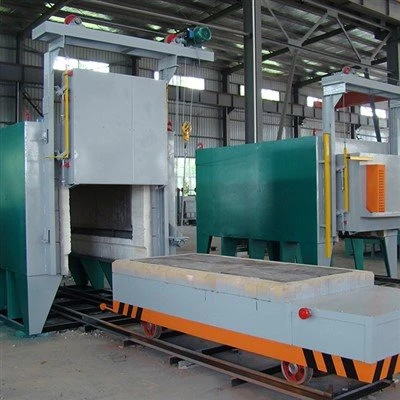
If you’re curious whether your specific setup (or a new hood furnace) can handle melting, just reach out to our team. We’ll walk you through the temperature specs, modification options, and best practices to get you consistent, high-quality melts without the hassle of buying extra equipment. No generic templates, just real advice from people who work with hood furnaces every single day.
Crucible Furnace References:
- “Industrial Furnaces: Selection, Operation, and Maintenance” – ASM International, 2019
- “Metal Melting Temperatures and Requirements” – The Fabricator’s Guide, 2022
- “Controlled Atmosphere Furnace Technology for Metal Processing” – Journal of Materials Processing Technology, 2021
- “Hobby and Small-Scale Metalworking Furnace Best Practices” – Home Shop Machinist Magazine, 2023
Danyang Dingfeng Industrial Furnace Co., Ltd.
Danyang Dingfeng Industrial Furnace Co., Ltd. is one of the most experienced hood furnace manufacturers and suppliers in China, also supports customized service with low price. Please feel free to wholesale high quality hood furnace made in China here from our factory. For pricelist, contact us now.
Address: Lizhuang Economic Development Zone, Danyang City
E-mail: saleszk@dffurnace.com
WebSite: https://www.dffurnace.com/
