As a twill woven fabric supplier, I’ve spent years working with customers who struggle with ironing this material—especially when they’re trying to avoid shrinkage, color fading, or that permanent shine that ruins the fabric’s look. One of the most common questions I get isn’t just “can I iron twill?” but “what temperature do I actually need to use so I don’t mess it up?” It’s a fair ask, because twill is unique—unlike plain-weave cotton or linen, its diagonal weave structure makes it react differently to heat and pressure. Let’s break this down, grounded in what we’ve learned from testing fabrics at our mill and from decades of customer feedback. Twill Woven Fabric
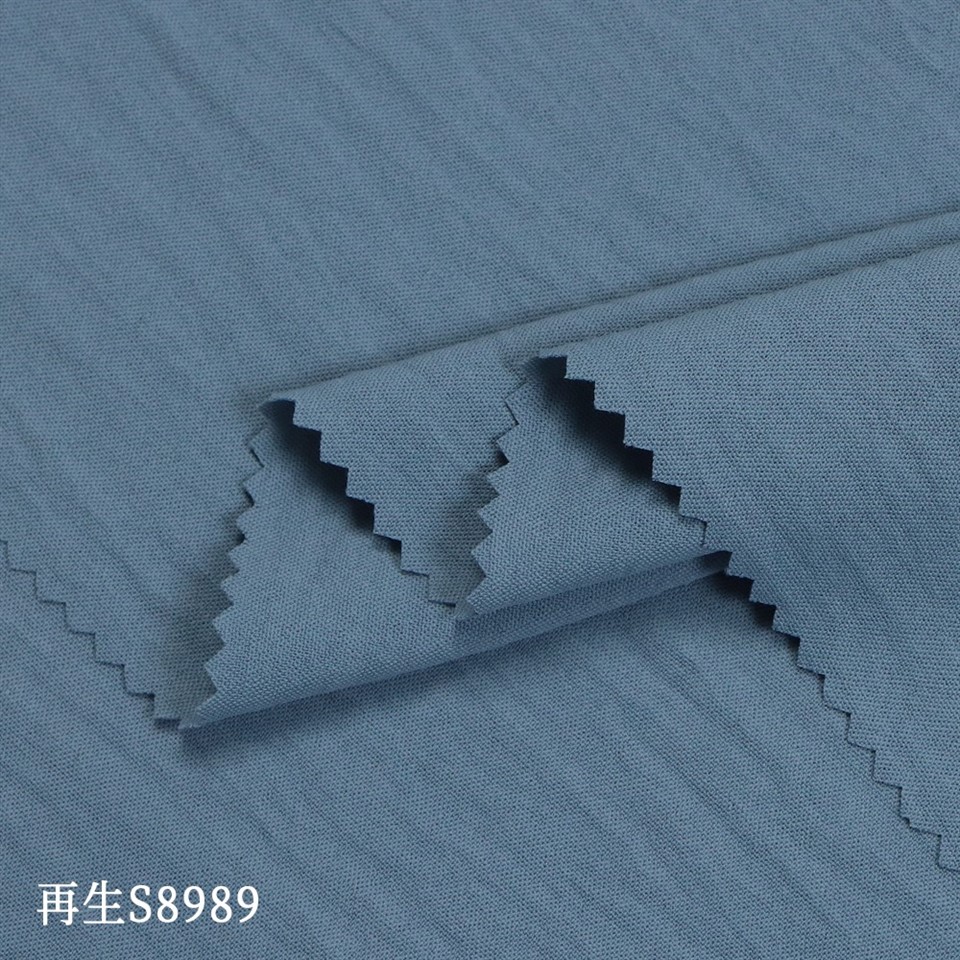
First, let’s talk about what twill woven fabric is, because that directly ties to ironing temperature. Twill is made by passing the weft thread over one or more warp threads, then under two or more, creating that distinct diagonal pattern. This weave makes it sturdier than plain weave, but it also uses a mix of fibers more often than you might think. A lot of twills sold today are cotton twill, polyester-cotton blends, or even 100% polyester—each of these has different temperature limits. That’s why a one-size-fits-all approach never works. If you use too low a temperature, you’ll still have wrinkles; too high, and you’ll singe the fabric, melt synthetic fibers, or leave a shiny press mark that’s impossible to get out later.
Let’s start with the most common twill our customers work with: pure cotton twill. You’ll find this in denim, chino pants, canvas bags, and even some dress shirts. Cotton has a high heat tolerance, but that doesn’t mean you can blast it with the highest setting. We test our cotton twill at the mill: pure untreated cotton can handle up to 205°C (400°F), but we always recommend a medium-high setting, around 180–190°C (350–375°F). Why the lower end? Because cotton can shrink if it’s too hot, especially if the fabric hasn’t been pre-shrunk during manufacturing. A lot of mass-produced cotton twill isn’t pre-shrunk properly, so ironing at max heat can make it pull tight around the seams, ruining the fit of a pair of chinos or the shape of a tote bag. Also, if your cotton twill has a dye that’s not colorfast, high heat can make the dye bleed onto other fabrics or fade unevenly. We’ve had customers tell us they ironed their new denim at 400°F and it developed a faded spot right where the iron rested— that’s exactly the mistake we’re warning against.
Next, polyester-cotton blend twill. This is another workhorse—think uniform shirts, work pants, and upholstery twill. The blend is usually 65% polyester and 35% cotton, because polyester adds durability and shape retention, while cotton adds breathability. The problem here is that polyester has a much lower melting point: around 150°C (300°F). If you iron this blend at a high cotton setting, you’ll melt the polyester fibers, leaving glossy, sticky marks that can’t be removed. For these blends, the safe temperature is medium, 140–150°C (275–300°F). I can’t tell you how many times a customer has brought back a batch of custom work pants because they ironed them wrong and ruined the fabric. Once, a construction company ordered 500 yards of 65/35 twill for their uniforms, and half the batch had shiny spots because their maintenance team used a 400°F iron. Now, we always include a tag with the recommended ironing temperature on every roll of blend twill we ship, and we make a point to mention it in our pre-delivery checks.
Then there’s 100% polyester twill. This is less common for apparel, but it’s used a lot for outdoor gear, event backdrops, and reusable tablecloths. Polyester’s melting point is so low that you really can’t iron it directly at all? Wait, no—wait, some people do, but they have to be extra careful. Wait, no, actually, 100% polyester twill can be ironed if you use a cool setting, 110–120°C (230–250°F), and always use a press cloth. But honestly, a lot of times, we recommend steam instead of ironing for polyester twill, because even low heat can cause it to stretch or develop a sheen. We had a customer who used our 100% polyester twill for wedding table runners, and they tried to iron out wrinkles to set up the event—they ended up with permanent, shiny marks all along the edges. That’s when we learned to stress that for polyester, a light steam spray and hanging the fabric for an hour will get rid of wrinkles way better than an iron.
Now, what about the exceptions? There are twill fabrics that have special finishes, like wrinkle-resistant or stain-repellent treatments. These are super popular for hospitality textiles and casual apparel, but those finishes change the heat tolerance. A wrinkle-resistant treated twill (usually with a resin finish) can only handle up to 160°C (320°F), because higher heat will break down the resin, making the fabric lose its wrinkle resistance. We always label these treated rolls clearly, and if a customer is ordering for commercial use, we send a separate sheet with care instructions that emphasize the lower temperature. Another exception is heavy-weight twill, like canvas or denim. Heavy twill needs more heat to smooth out deep wrinkles, but even then, we don’t go over 190°C. For denim, a lot of people swear by high heat, but we’ve tested it: even 190°C can cause slight fading on dark indigo denim, so a medium-high setting with a press cloth is better.
Wait, another point: the type of iron matters too. Steam irons vs. dry irons. A lot of people think steam is fine, but if you’re using a steam iron on a blend twill, the steam can make the fabric more pliable, so you might be tempted to turn up the heat. But you have to remember that the steam doesn’t lower the iron’s temperature—so if the dial says 300°F, that’s still the temp hitting the fabric. We recommend using a dry iron for twill, or if you use steam, keep it on the lowest steam setting, and make sure the iron is pressing evenly, not lingering in one spot. Linger is a big one—even if you’re at the right temperature, leaving the iron on a small area of twill for more than a few seconds will burn it, melt synthetic fibers, or leave a mark.
I should also mention pre-washing. If you’re ironing new twill fabric that hasn’t been washed, it’s even more important to stick to the lower end of the temperature range. Unwashed cotton twill has residual sizing from manufacturing, which can melt or leave a residue if it’s exposed to too much heat. We wash our twill before shipping for most apparel orders, but for industrial twill (like for bags or tarps), it’s not pre-washed, so ironing at the lower temp helps remove that sizing without damaging the fabric.
Now, let’s talk about what we’ve learned from working with hundreds of customers. One of our biggest clients is a custom uniform company that orders thousands of yards of 65/35 twill every quarter. For the first six months they worked with us, they were having a 15% rejection rate on finished uniforms because of ironing damage. We sat down with their production team, walked through our temperature recommendations, and now their rejection rate is less than 2%. That’s the kind of real-world testing that tells us our advice isn’t just theoretical—it works. Another customer was a small boutique making linen-cotton twill dresses; they were using a 400°F iron for their 50% linen, 50% cotton twill, and the dresses were shrinking by an inch after ironing. We suggested 180°F, and not only did shrinkage stop, the fabric held its shape way better.
I know a lot of people search online for “best temperature to iron twill” and get conflicting answers—some say high heat, some say low, no one breaks it down by fiber content. That’s why as a supplier, we don’t just sell fabric; we share the knowledge that comes from working with it every day. We don’t just send a roll of twill with a generic tag; we include a note that says “this 65/35 polyester-cotton twill should be ironed at 140–150°C, use a press cloth to avoid shine.” It’s those small details that keep customers coming back.
If you’re reading this and wondering what temperature is right for your twill, first check the fiber content of your fabric. If it’s not labeled, you can do a quick burn test (though we don’t recommend that for commercial fabric—better to ask your supplier!). For cotton twill: 180–190°C (350–375°F), medium-high setting. For polyester-cotton blend twill: 140–150°C (275–300°F), medium setting. For 100% polyester twill: 110–120°C (230–250°F), low setting, no direct ironing if possible. And always use a press cloth if you’re ironing synthetic blends, to prevent that shiny mark that’s so hard to remove.
At the end of the day, ironing twill isn’t about guessing—It’s about understanding the fabric’s makeup, and using the right heat to get a smooth finish without ruining the material. If you’re working with twill fabric for apparel, uniforms, upholstery, or any other project, and you’re unsure about the right temperature, or you need custom twill rolls tailored to your exact needs, we’re here to help. We can send samples, share specific care guidelines for every fabric we supply, and answer any questions you have about working with twill. Connect with our team to discuss your twill needs, and we’ll make sure you have all the info and material you need to get the best results.
Polyester Stretch Fabric References
- Textile Institute. (2019). Care and Maintenance of Woven Fabrics: Temperature Guidelines for Ironing. Textile Industry Standards Journal.
- International Organization for Standardization (ISO). (2021). ISO 105-X01: Textiles – Tests for Colour Fastness – Part X01: Colour Fastness to Ironing.
- American Association of Textile Chemists and Colorists (AATCC). (2020). Ironing and Pressing Procedures for Apparel Fabrics. AATCC Technical Manual.
- Textile World Magazine. (2022). Understanding Twill Weave Properties and Processing Tips for Apparel and Industrial Fabrics.
- Fabric Care Council. (2021). Fiber-Specific Ironing Temperatures to Prevent Fabric Damage. Consumer Textile Guide.
Shaoxing Huichao Textile Co., Ltd.
As one of the most professional twill woven fabric manufacturers and suppliers in China, we offer a wide range of products with superior quality. Please feel free to wholesale bulk high-end twill woven fabric in stock here from our factory. Good service and reasonable price are available.
Address:
E-mail: darrenzhong@huichaotextile.com
WebSite: https://www.huichao-textile.com/
