If you’ve ever stared at a patch of backyard dirt and daydreamed about building a shed that’ll outlast every rainstorm, frost heave, and curious critter, you’ve probably stopped at the foundation first. And if you’ve done that, you’ve likely wondered: can I use concrete forms for a shed foundation? As a concrete forms supplier who’s worked with every kind of homeowner, weekend warrior, and small-scale builder for over a decade, the short answer is yes—but it’s not as simple as “pour concrete and call it a day.” There are right ways, wrong ways, and ways that’ll save you hundreds of dollars and months of headaches down the line. Let me break this down like I do for every customer who walks through my shop’s door (or shoots me a 2 a.m. text asking if their 8×10 tool shed will settle into the ground next spring). Concrete Forms
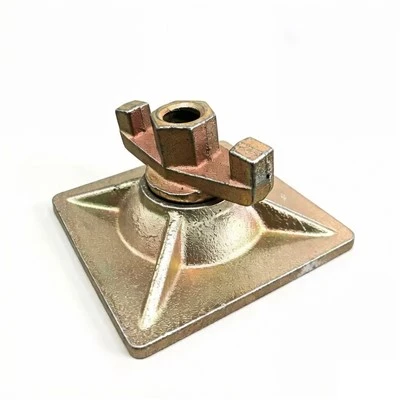
First, let’s get clear on what a concrete form actually is—because a lot of folks mix it up with the concrete itself, and that’s a costly mistake. Concrete forms are the temporary (or in some cases, permanent) molds you use to shape wet concrete into a solid, level foundation. For shed foundations, we’re mostly talking about two types of forms: wood forms (the traditional stuff most people grab from a home improvement store) and modular concrete forms (the interlocking, reusable plastic or steel ones my company sells). The big difference? Wood forms are one-and-done for most small projects, but modular forms cut down on labor, are more precise, and hold up for multiple jobs if you take care of them. But back to the core question: why concrete forms for a shed foundation work better than other options like gravel pads or deck blocks?
Gravel pads are cheap, fast, and easy to level, but they shift. Frost heave (the process where water under the ground freezes and expands, pushing dirt and structures upward) will turn a level gravel pad into a lopsided mess in climates with cold winters. Deck blocks? Even worse. They’re light, they sink in loose soil, and they can crack if you set a heavy shed on top of them. A concrete foundation, held in shape with the right forms, is dense, stable, and resistant to heave—if you do it right. That’s where the forms come in: a bad form job means a lopsided concrete pad, cracks from uneven curing, or even a foundation that crumbles before your first season is over.
Now, let’s talk about when using concrete forms for a shed foundation makes total sense, and when it’s not worth the effort. If you’re in a Zone 5 or colder (think states like Minnesota, North Dakota, or Canada’s prairie provinces), a concrete foundation is non-negotiable. Without it, your shed will lean, doors will stick, and eventually the frame will warp beyond repair. If your shed is larger than 10×12 feet, stores lawn equipment, tools, or even a small ATV, you need a solid foundation—again, forms are key here. For tiny 6×8 storage sheds that’ll never hold more than a couple of lawn chairs, you could get away with a gravel pad, but even then, a properly formed concrete foundation will last 50+ years vs. 10-15 for gravel.
But here’s the part I see so many new builders mess up: skipping the form prep. You can’t just lay a few 2x4s on the ground, drive a couple stakes, pour concrete, and call it done. Forms need to be level, sturdy, and sealed to prevent the wet concrete from seeping out. Let’s walk through the basic steps I teach every first-time builder who buys forms from my shop. First, mark your shed’s perimeter, then dig a trench 4-6 inches deep and 12 inches wide—this is the footer trench, the part of the foundation that distributes the shed’s weight into the soil. That’s where your forms go first: you’ll line the bottom of the trench with a layer of gravel for drainage, then set your form boards (or modular forms) along the edges of the trench, making sure they’re level all the way around. Stake them every 2 feet to keep them from shifting when you pour concrete. Then, install a layer of rebar in the trench—this is the steel mesh that reinforces the concrete and prevents cracks. Once your forms are locked in, level, and sealed with caulk to stop concrete leaks, you’re ready to pour.
Wait, but what about permanent concrete forms? That’s a game-changer for small shed projects. My company’s modular forms are designed to stay in place after you pour the concrete, acting as insulation and moisture barriers along the edges of the foundation. They’re lightweight, interlock in minutes (no measuring or cutting 2x4s on site), and they’re made from UV-stabilized plastic that won’t rot, warp, or break like wood forms. For a 10×12 shed foundation, modular forms cut the labor time in half—instead of spending a day cutting and nailing wood forms, you and a friend can snap the forms together in a couple hours. And here’s the best part: permanent forms eliminate the need to remove them later, which saves you from having to haul away old wood debris and patch the ground. I’ve seen customers use the same modular forms for three different shed projects over five years—now that’s a return on investment.
Of course, there are common mistakes that turn a great concrete form job into a disaster. Let’s go over the ones I field calls about every week. First, not accounting for frost depth. In most cold climates, your trench needs to be 12-24 inches deep, not just 4-6. If you dig too shallow, the frost will push your foundation upward, cracking the form and the concrete. Second, forms that aren’t level. Even a quarter-inch difference in level across the foundation will make your shed’s floors uneven, and over time, that leads to doors sticking and roof damage. Third, not staking forms firmly enough. When you pour wet concrete, it weighs about 150 pounds per cubic foot—so a form that’s only staked once every 5 feet will bulge, leading to a lopsided pad. Fourth, using the wrong type of concrete. For shed foundations, you want 3000-psi concrete, which is strong enough for the weight of a standard shed. Too weak, and it’ll crack within a year of installation.
But let’s get real: I know not everyone is a seasoned builder. If you’re someone who’s never used concrete forms before, is it worth hiring a pro? It depends on your skill level and the size of your shed. For a small 8×10 shed, if you can follow a level, snap lines straight, and don’t mind a weekend of work, I’d say go for it—my shop even has free step-by-step guides for first-time builders. But if you’re tackling a 12×16 shed, or you’re in a remote area with no extra help, a pro will make sure the foundation is up to code, which is important if you ever decide to sell your home and need to prove your shed is legally installed. And here’s a pro tip I only share with regular customers: if you’re using wood forms, treat them with a wood sealer before use—this keeps them from absorbing moisture from the concrete, which prevents warping and makes them reusable for future projects. Modular forms, of course, come pre-treated so you don’t have to worry about that.
Wait, let’s address a big myth I hear all the time: “Concrete forms are too expensive for a small shed.” Let’s do the math. A 10×12 shed foundation needs about 24 linear feet of forms. A pack of standard 2×4 wood forms (for a single use) costs roughly $40-50, plus stakes, caulk, and tools—total around $70 for a one-time job. Modular permanent forms for the same size? Around $120, but they last for years. Compare that to the alternative: if you mess up a wood form job, you’ll have to replace boards, dig up half the trench, and waste concrete. Or if you go with a gravel pad that settles, you’ll end up re-leveling or redoing the foundation in 10 years, costing you another $500+ in materials and labor. The forms are an investment, not an expense.
Another thing I love about concrete forms for shed foundations is that they’re versatile. If you decide to expand your shed later, or move it to a different spot in your yard, you can reuse the forms (especially the modular ones) to build a new foundation. Unlike poured concrete foundations that require you to break them apart if you move a shed, forms let you take the whole thing apart and reuse the materials. That’s a huge win for people who like to rearrange their backyard, or rent out their shed space and need to relocate it occasionally.
I’ll be honest: not every shed needs a concrete form foundation. If you live in a place with mild winters, no frost, and solid, well-draining soil, a pressure-treated wood foundation or even a properly compacted gravel pad will work. But for 90% of the customers who come to me, especially in the northern half of the U.S. and Canada, concrete forms are the best way to get a foundation that’ll last. The key is to pick the right forms for your project, take the time to prep the ground correctly, and don’t cut corners on level or staking.
At the end of the day, I’ve seen hundreds of shed foundations built with concrete forms—some perfect, some with small mistakes that still worked, and some that went wrong because someone skipped a step. The ones that last? They’re built with forms that are level, deep enough for frost, and reinforced properly. The ones that fail? They’re the ones where someone grabbed a few old boards from the garage, poured concrete without a level, and wondered why their shed leaned after the first winter.
If you’re ready to start your shed foundation project, or you have questions about which forms work best for your size of shed and location, I’m here to help. We carry a full range of concrete forms—wood, modular, permanent, reusable, everything you need for a small shed foundation. We also have free project guides, tips for first-time builders, and even can help you calculate how much concrete and how many forms you’ll need for your specific project. Don’t guess at your foundation—work with forms that are designed to do the job right, so your shed will be solid for decades to come.

If you’re ready to get started, reach out to us to discuss your project, get a customized quote, or ask any questions you have about concrete forms for your shed foundation. We’re here to make your build go as smoothly as possible, no matter your skill level.
Profile/Beams References
- American Society of Civil Engineers. (2021). Residential Foundation Design Standards for Cold Climates.
- National Association of Home Builders. (2022). Shed Foundation Best Practices for Small Structures.
- Concrete Forms Manufacturers Association. (2020). Guide to Modular Concrete Form Usage for Small Construction Projects.
- USDA Natural Resources Conservation Service. (2019). Soil Drainage and Foundation Load Requirements for Backyard Structures.
Rizhao Wellfit Scafform Co., Ltd.
As one of the most professional concrete forms manufacturers and suppliers in China, we have world-leading production equipment and strong manufacturing capabilities. Please feel free to buy high quality concrete forms at competitive price from our factory.
Address: No.7, Huasheng Road, Taoluo Town Industrial Zoon, Donggang District, Rizhao City
E-mail: sales@wfscafform.com
WebSite: https://www.wfscafform.com/
