As a rubber covered yarn supplier, I get questions all the time from manufacturers, product designers, and even hobbyists who’ve heard the term but aren’t sure what makes this material stand out. A lot of people see it as just another specialty yarn—something used for stretchy waistbands or the odd craft project—but once you dig into its science, its benefits go far beyond basic elasticity. For anyone who’s considering switching their production materials or just wants to make more informed choices for their projects, understanding what rubber covered yarn brings to the table can make a huge difference in quality, durability, and end-user satisfaction. Rubber Covered Yarn
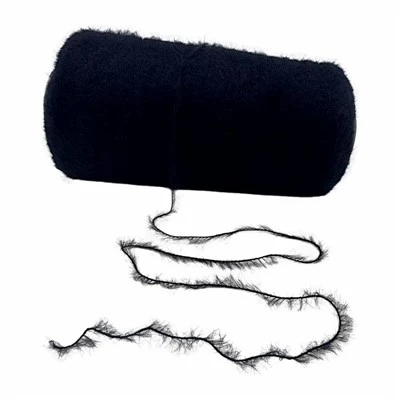
First, let’s break down what rubber covered yarn actually is, because that foundation is key to its benefits. It’s a core of elastic rubber filament—usually natural or synthetic rubber—wrapped tightly with one or two layers of textile fibers, like nylon, polyester, cotton, or rayon. That wrapping isn’t just cosmetic; it protects the delicate rubber core from friction, abrasion, and UV damage, while giving the yarn a soft, handleable feel that pure rubber never could. Pure rubber is sticky, hard to sew, and prone to breaking down when exposed to light or moisture, so covering it with textile fibers solves those problems without sacrificing the elasticity that makes rubber so useful. The manufacturing process is precise, too: the rubber core is stretched to a set percentage (usually 200% to 500% of its original length) before wrapping, which means when the finished yarn relaxes, it has built-in stretch and recovery that’s consistent, not uneven. That consistency is where a lot of competitors fall short, and it’s why our customers keep coming back.
One of the biggest benefits of rubber covered yarn is its unmatched stretch and recovery performance, especially compared to other stretch materials. Spandex (or Lycra, which is a brand name) is the main alternative people talk about, but rubber covered yarn often outperforms it in long-term use. Spandex can lose elasticity over time with repeated stretching and washing—its fibers break down gradually, so a waistband made with spandex might feel loose after a year of use. Rubber covered yarn, because it’s a solid rubber core wrapped in durable fibers, retains its stretch and recovery far longer. We’ve had customers making athletic wear tell us that our rubber covered yarn waistbands still fit perfectly after 2 years of regular use, while their old spandex versions needed to be replaced every 6 months. That longevity isn’t just a convenience; it cuts down on product returns, which saves manufacturers money and builds customer trust. The stretch is also very uniform across the entire yarn, so whether you’re using it for a tight seam on a swimsuit or a gentle drawstring on a sweatshirt, you don’t get thin spots that stretch unevenly and cause fabric to pucker or break.
Durability is another game-changer. The textile wrap around the rubber core does more than just make the yarn feel soft—it acts as a barrier to the elements that would destroy pure rubber. UV rays from sunlight, for example, break down rubber molecules over time, turning them brittle and causing them to snap. A polyester or nylon wrap blocks that UV exposure, so the rubber core stays flexible for years. Abrasion is another big one: if a yarn is going to be sewn, stretched, and washed, it’s going to rub against fabric, needles, and other materials. The outer fiber layer resists that friction, preventing the yarn from fraying or the rubber core from being exposed and damaged. We’ve supplied rubber covered yarn to outdoor gear manufacturers for things like elastic cords on hiking backpacks, and those cords hold up through rain, snow, and constant rubbing against rock and fabric way better than pure rubber or even spandex cords. Even for everyday items, like underwear or socks, the durability means less pilling, less broken threads, and a longer product life. That’s a huge selling point for brands that market themselves as sustainable, too—longer-lasting products mean less waste.
Comfort is a benefit that’s often overlooked, but it’s what makes rubber covered yarn stand out for consumer products. Pure rubber is sticky and rigid, so anything made with it can feel heavy or scratchy against the skin. The wrapping of soft textile fibers (especially cotton or rayon) gives the yarn a smooth, breathable feel. Unlike spandex, which can sometimes feel tight and clingy because it’s a synthetic fiber, rubber covered yarn’s core provides stretch while the outer layer feels like natural fabric. That’s why so many loungewear, undergarment, and baby product brands use it: baby skin is delicate, so a soft, non-irritating elastic is non-negotiable, and rubber covered yarn delivers that. We’ve worked with a baby clothing brand that switched from spandex to our rubber covered yarn for diaper waistbands, and they reported a 30% drop in customer complaints about irritation. The breathability is key too: the textile wrap allows air to circulate, so sweat doesn’t get trapped against the skin, which is a huge improvement over solid rubber or some synthetic stretch materials that can make you feel hot and uncomfortable.
Versatility is another major benefit. Rubber covered yarn isn’t limited to just one end use. It works for weaving, knitting, sewing, braiding, even crocheting or crafting. For example, in the apparel industry, it’s used for waistbands, leg openings on leggings, swimsuit panels, and elastic trims. In home goods, it’s used for elastic in fitted bed sheets (fitted sheets have to stretch to fit mattresses of different sizes, and rubber covered yarn gives that consistent stretch without sagging) and elastic in curtain hems. In industrial applications, it’s used for elastic cords in medical devices, fishing lines, and even automotive components. The yarn comes in different thicknesses, too, so you can pick a thin, lightweight yarn for baby headbands or a thick, heavy-duty one for industrial elastic cords. That versatility means it’s a solution for almost any stretchy need, whether you’re a small craft business or a large manufacturing plant. We even have customers who use it for things like hair ties and phone cases—its elasticity and durability make it perfect for those small, often-used items.
Another benefit is its cost-effectiveness in the long run. At first glance, rubber covered yarn might seem more expensive than spandex or plain elastic, but when you factor in longevity, it’s actually cheaper. As I mentioned earlier, products made with rubber covered yarn last longer, so you don’t have to deal with returns or customer replacements. The yarn itself is also easy to work with, which reduces labor costs in manufacturing. Because it’s wrapped with textile fibers, it’s smoother when going through sewing machines, so you have fewer needle breaks, less thread jams, and faster production times. Spandex, on the other hand, is thinner and more likely to tangle or break during sewing, which slows down production and adds labor costs. Plus, since it’s so durable, you can use less of it to get the same stretch as other materials. For example, a waistband might need 5% spandex, but only 3% rubber covered yarn, because of its uniform stretch, so you save on material costs too. Over the course of a production run, those savings add up.
Now, I want to be honest—there are common misconceptions about rubber covered yarn, so it’s important to clear those up. A lot of people think it’s only for heavy-duty uses, but there are lightweight versions that are perfect for delicate items. Others think it’s hard to dye, but our rubber covered yarn is dyed to match standard textile colors, so it blends seamlessly into any fabric. We also offer different fiber wraps, so if a customer needs a cotton wrap for breathability or a polyester wrap for water resistance, we can accommodate that. The key is choosing the right type for your specific application, and as a supplier, we work with customers to figure that out.
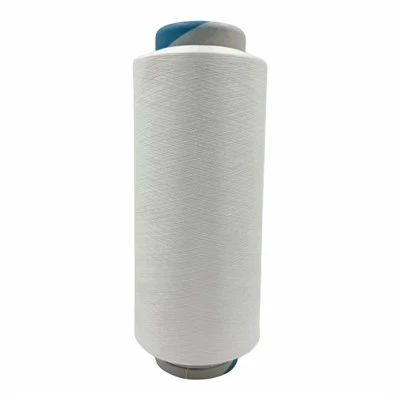
At the end of the day, the main benefit of rubber covered yarn is that it solves a lot of the problems with other stretch materials without compromising on what makes elastic useful. It’s durable, comfortable, versatile, and cost-effective, which makes it a smart choice for any manufacturer or brand that wants to make a better product. If you’re currently using spandex or plain elastic and dealing with issues like short product life, poor customer comfort, or production delays, I’d encourage you to give rubber covered yarn a try. Our team has decades of experience working with this material, and we can help you find the right thickness, wrap, and stretch level for your specific project. We’ve worked with everyone from small craft artists to large apparel brands, and we’re always happy to answer questions, provide samples, and help you test how rubber covered yarn works for your products. If you’re ready to improve the quality of your stretch items, reduce waste, and keep your customers satisfied, get in touch with our team to discuss your needs.
Spandex Double Covered Yarn References
- Textile Institute. (2020). Advances in Elastic Textile Yarns: Manufacturing and Applications. Textile Progress.
- Journal of Applied Polymer Science. (2018). Durability of Rubber-Covered Textile Yarns Under Outdoor and Wear Conditions. Wiley.
- ASTM International. (2019). Standard Test Methods for Stretch and Recovery of Elastic Yarns and Fabrics. ASTM D4964.
Zhuji Yuanhui Import & Export Co., Ltd.
Zhuji Yuanhui Import & Export Co., Ltd. is one of the most professional rubber covered yarn manufacturers and suppliers in China. With abundant experience, we warmly welcome you to buy high-end rubber covered yarn made in China here from our factory. If you have any enquiry about quotation and free sample, please feel free to email us.
Address: No.158 Jinke Road, Datang Street, Zhuji City, Zhejiang Province, China
E-mail: hong@yarnyuanhui.com
WebSite: https://www.yarnfty.com/
