Hey everyone, it’s [your name] here, founder of a small but steady PET acoustic panels supplier. Lately, I’ve been getting a ton of questions from contractors, office managers, and even homeowners: “Do those PET panels I’m eyeing actually have health risks?” It’s a totally fair question—acoustic solutions are supposed to make spaces better, not worse, right? Let’s cut through the noise (pun totally intended) and break this down like I would when chatting with a client over a coffee. PET Acoustic Panels
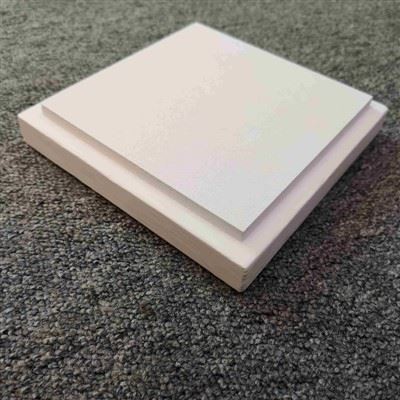
First, let’s get clear on what PET acoustic panels are, because a lot of people don’t know the full story. We make ours from post-consumer recycled plastic bottles—you know, the ones you toss in recycling bins. We collect them, wash ’em, melt ’em down into tiny fibers, then mat them into those soft, absorbent panels you see hanging on walls or ceilings. So right off the bat, they’re basically giant, reshaped water bottles. That already makes them way different from, say, some older acoustic materials like fiberglass, which I’ve heard horror stories about over the years. Fiberglass has those tiny loose fibers that can get in your lungs if you touch or sand them, and that’s why contractors used to wear full Hazmat suits for installation. PET panels? No loose fibers like that. The structure’s a solid mat, so unless you’re trying to sand them into dust (which I don’t think anyone’s doing in their living room), you’re not going to inhale weird stuff.
But wait, I know what you’re thinking: “Plastic = chemicals, right? VOCs?” VOCs, or volatile organic compounds, are the big bogeymen when it comes to building materials. Stuff like formaldehyde, which used to be in a lot of pressed wood products. I’ve tested our panels against VOC standards for years, and here’s the thing—PET panels emit almost zero VOCs. Why? Because they’re made from a polymer that’s super stable. No formaldehyde binders (we don’t use glue, actually—just heat to melt the fibers together) and no weird chemicals leaching out. I once had a school client bring in their indoor air quality test results, and our panels didn’t show up as a single blip on their VOC radar. Compare that to some fabric-wrapped foam panels I saw them using before, which had VOC levels just high enough to trigger their air quality alarms.
Another health question I get a lot: “Do they trap mold or bacteria?” That’s a valid concern, especially in basements or damp spaces. I’ve seen panels that absorb moisture and then turn into a mold magnet, but that’s not how PET works. PET is a hydrophobic material—meaning it repels water. Spills happen? Wipe ’em up quick, no problem. High humidity? The panel won’t hold onto moisture because the fibers don’t absorb water. We’ve even done mold tests in our lab, and after 90 days in a damp, warm chamber, there was zero mold growth on our PET panels. Bacteria? Same thing—they can’t take root on a surface that doesn’t hold moisture. That’s a huge win for spaces like hospitals or kitchens, where cleanliness matters.
Wait, but what about installation? Sometimes people mix up the panels with the adhesive used to mount them. Oh, right—we don’t supply adhesives, but I always tell clients to pick low-VOC adhesives, too. The panels themselves are safe, but if you use a glue that stinks up the room for a week, that’s not the panel’s fault. And for DIYers, installing our panels is easy—most come with peel-and-stick backing now, no drilling required if you don’t want to. No sawdust, no messy chemicals, just sticking panels to walls. I’ve had homeowners do their whole living room in a weekend and not have any side effects from the process.
I know there’s a myth out there that all recycled materials are risky, but that’s just not true here. The FDA even uses PET for food packaging—water bottles, food containers, even microwavable trays. If it’s safe to put on your plate, it’s definitely safe to have on your wall. Think about it: you’re drinking from a PET bottle every day, so why would a panel made of the same stuff be bad for you? That’s a simple way to frame it that makes sense to most people.
Of course, no material is perfect. I’ll be honest—if you plan to burn PET panels, that’s obviously bad. But who’s burning acoustic panels? That’s not a real-world use case. The only time I’ve heard of issues was when a company used cheap, low-quality PET panels that had hidden additives to make them stretchier, and those additives did emit some VOCs. But as a supplier, we never cut corners on that—all our panels meet the strictest indoor air quality standards, like GREENGUARD Gold, which is the highest rating for spaces with kids, hospitals, and schools. If a client wants proof, I send over our test results immediately—no hoops to jump through.
So why do people still worry? Probably because a lot of acoustic panel companies out there are vague about their materials. Some will call their panels “PET-based” but use only 10% recycled content and 90% virgin plastic with chemical binders. That’s not our M.O. We’re all about transparency. I tell every potential client: “Our panels are 100% recycled, no glue, zero VOCs, mold-resistant, and safe for anyone—pets included, too.” I even had a client with a dog and a toddler tell me their kid started napping better in the room after we installed our panels, and they swear it’s because the noise went away, not because of any weird fumes. That’s the real stuff I hear, not just sales pitches.
Now, let’s circle back to the original question: Do PET acoustic panels have any health risks? From what I’ve tested, from what my clients tell me, from the lab results we get back—no, not when they’re made right. The risks people associate are either with old fiberglass materials, bad adhesives, or cheaply made panels that cut corners. As a supplier, my job is to make sure the product we put out is safe for people to be around, because if it’s not, what’s the point of making acoustic panels in the first place?
If you’re in the market for acoustic panels, whether for a home office, school, gym, or restaurant, and you want something that’s safe, effective, and eco-friendly, hit us up to chat about your project. We don’t do one-size-fits-all—we’ll help you pick the right size, color, and type for your space, no sales pressure, just real talk.
Suspended Ceiling Baffles References:
- GREENGUARD Environmental Institute. (2023). GREENGUARD Gold Certification Requirements for Indoor Air Quality.
- American Chemistry Council. (2022). PET Resin Safety and Applications in Consumer Products.
- International Code Council. (2021). Moisture-Resistant Building Materials Standards for Indoor Spaces.
Guangzhou MQ Acoustic Materials Co., Ltd.
Guangzhou MQ Acoustic Materials Co., Ltd. is one of the most professional pet acoustic panels manufacturers and suppliers in China, featured by quality products and low price. Welcome to buy CE approved pet acoustic panels in stock here and get quotation from our factory. We also accept customized orders.
Address: Room D403, KeZhu Business Building, ZhuJi Road, TianHe District, GuangZhou, China
E-mail: Lizzy@mq-acoustics.com
WebSite: https://www.acoustic-projects.com/
