Hey there! If you’ve ever wondered what makes a torsion spring work the way it does—whether it’s keeping your garage door panel aligned, opening a laptop lid, or even a tiny component in a medical device—you might be surprised to learn it all starts with the right material. As a torsion spring supplier, I get asked this question all the time: “What materials do you actually use for these springs, and why?” It’s not just grabbing a random piece of wire; each material is chosen for its strength, durability, and ability to twist thousands of times without snapping. Let’s break down the most common ones we rely on daily. Torsion Spring
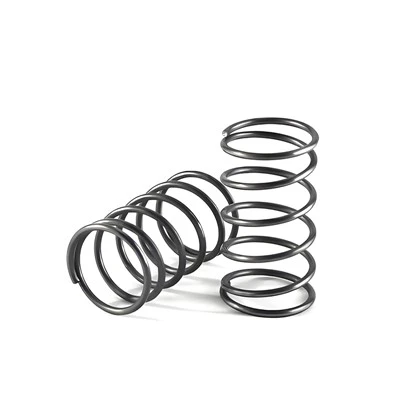
First up, plain carbon steel wire. This is like the workhorse of torsion springs, and it’s the one we use most often for standard applications—think garage door springs, furniture hinges, or even small machinery parts. Carbon steel is basically iron with a bit of carbon added (usually 0.25% to 0.95%) to make it stronger and harder than pure iron. The cool thing about it is that it’s cheap, easy to shape, and has great tensile strength, which is perfect for torsion springs that need to resist twisting forces. Wait, but not all carbon steel is the same—we stick to medium carbon grades, like 1045 or 1065, because low carbon might be too soft (it’ll stretch out too quickly) and high carbon can be brittle (it might snap if twisted too much). A lot of our repeat customers go for carbon steel because it’s straightforward for projects that don’t need super fancy performance. The only catch? It can rust if it’s exposed to moisture or harsh chemicals, so we always recommend a coating if the spring’s going outdoors or in a damp spot. More on coatings later, but yeah, carbon steel is our go-to for basic jobs.
Next, stainless steel. This is the MVP for corrosion resistance, and we can’t keep enough of it in stock. Stainless steel is an alloy of iron, chromium (at least 10%), and sometimes other elements like nickel or manganese. The chromium is key here—it forms a thin, protective layer on the surface that stops rust and tarnish. That’s why we use it for springs in things like food processing equipment, marine devices, or medical tools—places where moisture, salt, or cleaning chemicals are everywhere. The most common stainless grade for torsion springs is 302, which is austenitic stainless steel. It’s not just corrosion-resistant; it also has good ductility, meaning it can twist and bend without cracking, which is perfect for torsion applications. Another grade we use sometimes is 316, which has more molybdenum, making it even more resistant to saltwater—great for boat parts or offshore equipment. The downside? Stainless steel is pricier than carbon steel, but when your spring’s in a harsh environment, it’s worth every penny. We’ve had customers come to us with a spring that rusted out in 6 months, and switching to stainless steel doubled its lifespan. That’s a win in our book.
Then there’s music wire, which is basically high carbon steel that’s been treated for extra strength. Wait, no—music wire is a specific type of high carbon wire (usually 1065 or 1070 carbon) that’s been heat-treated to have way more tensile strength than plain carbon steel. It’s called music wire because it was originally used for piano strings, but its strength makes it ideal for torsion springs that need to handle heavy loads without being bulky. A lot of our customers use it for things like clutch springs, electrical connectors, or door latches where compact size is key but you can’t skimp on power. The tensile strength here is like 200,000 psi, which is way higher than plain carbon steel (around 150,000 psi). That means you can make a smaller spring that does the same job as a bigger carbon steel one. But here’s the thing: music wire isn’t corrosion-resistant at all. If you use it outdoors without a coating, it’ll rust fast. So we always pair it with a zinc or black oxide coating if the application isn’t indoor only. It’s a favorite among engineers because it’s reliable and strong, even in tight spaces.
Wait, let’s not skip bronze wire. Bronze is a copper-tin alloy, and it’s super unique because it’s non-sparking and doesn’t corrode easily in marine or chemical environments. We use bronze torsion springs for things like explosive equipment, underwater valves, or tools near flammable materials—places where a spark could be a disaster. Also, bronze is non-magnetic, which is important for applications like electronic devices where magnetic interference would mess things up. The main bronze grade we use is phosphor bronze, which has a bit of phosphorus added to make it stronger and more durable than regular bronze. It’s a bit softer than steel, so it’s not for heavy loads, but its non-sparking and non-magnetic properties make it irreplaceable for certain jobs. We don’t use it as often as steel or stainless, but when a customer needs that specific feature, we’re the ones they call.
Another one: alloy steel. Alloy steel is carbon steel with extra elements like chromium, vanadium, or nickel added to boost its strength, hardness, and heat resistance. It’s not as common as plain carbon steel, but we use it for high-stress applications, like automotive suspension springs or heavy machinery parts. One example is chrome vanadium steel (often called “chrome van” for short), which has chromium and vanadium added to resist fatigue—meaning it can twist thousands of times without breaking. These springs are built to last in really tough conditions, like bouncing on a car or being used in a factory machine that runs 24/7. The downside? It’s more expensive than carbon steel, but for those heavy-duty jobs, it’s necessary. We’ve supplied a lot of automotive manufacturers with chrome vanadium torsion springs, and they swear by it for its long life.
Now, let’s talk about coatings—because even if you pick the right material, a bad coating can ruin the spring. We use a few common coatings to extend the life of springs, especially when they’re not made from stainless steel. Zinc plating is the most popular: it’s a thin layer of zinc that acts as a barrier against rust, and it’s cheap and easy to apply. We use it on carbon steel and music wire for outdoor applications. Black oxide is another one—it’s a thin black coating that gives a smooth finish, though it’s not as good at corrosion resistance as zinc. We use it for indoor parts where rust isn’t a big issue, but a nice finish matters. For even more protection, sometimes we use powder coating, which is a thicker, more durable layer that can resist scratches and chemicals. But powder coating is thicker, so it can affect the spring’s dimensions—we have to make sure that’s accounted for in the design.
Wait, I should mention why the material choice matters beyond just durability. Torsion springs work by storing energy when they’re twisted, so the material has to have good elasticity—meaning it can twist, release, and go back to its original shape thousands of times without taking a set (that’s when the spring stays twisted, losing its ability to work). That’s why carbon steel, stainless, and music wire work so well—they have great elastic properties. Bronze is a bit less elastic, so it’s not ideal for applications that need a lot of cycles, but again, its other benefits make it the right pick for specific jobs.
Let me share a quick story to make this real. A couple months back, a customer came to us with a garage door torsion spring that kept breaking every 3-4 months. They were using plain carbon steel, but their garage was in a coastal area—super humid and salty. The carbon steel was rusting from the inside out, causing it to snap. We suggested switching to 316 stainless steel with a zinc coating. Now, 8 months later, they haven’t had a single issue. That’s the kind of problem-solving we do at our shop—we don’t just sell materials; we help customers pick the right one for their needs.
Another example: we had a small business making medical device lids. Their original torsion spring was made from plain carbon steel, but it had to be sterilized with harsh chemicals every day. The chemicals made the carbon steel corrode, and after a month, the spring would stick. We switched them to 302 stainless steel, and now the springs last over a year. It’s those little changes that make a big difference.
Now, what should you consider when choosing a material? First, the environment—indoor vs. outdoor, damp vs. dry, chemicals or salt. Then, the load—how much twisting force does the spring need to handle? Heavy loads call for music wire or alloy steel, light loads can use plain carbon or bronze. Also, cost—stainless and alloy steel are pricier, so if you don’t need their extra features, plain carbon is a great choice.

At the end of the day, as a torsion spring supplier, our job isn’t just to give you a list of materials—it’s to help you pick the one that fits your project perfectly. We’ve worked with all these materials so many times that we can tell you in a minute which one will work best, no guesswork. Whether you’re a small business owner needing a few springs for a prototype or a large manufacturer ordering thousands, we’ve got the materials and the expertise to get it right.
Extension Spring If you’re working on a project and need to figure out the right torsion spring material, or you’re ready to place an order, don’t hesitate to reach out. We’d love to chat through your needs, answer any questions, and make sure you get a spring that works exactly how you want it to. No jargon, no pressure—just straight talk from people who know springs inside and out.
References
- Engineering ToolBox. (2024). Spring Wire – Materials and Properties. Retrieved from engineeringtoolbox.com
- American Society of Mechanical Engineers (ASME). (2022). Spring Design Handbook. ASME International.
- Corrosion Doctors. (2023). Stainless Steel Corrosion Resistance. Retrieved from corrosion-doctors.org
- Copper Development Association. (2021). Bronze Alloys for Spring Applications. Retrieved from copper.org
- Society of Automotive Engineers (SAE). (2023. Alloy Steel Specifications for Automotive Springs. Retrieved from sae.org
Shengzhou Deyuxiang Hardware Accessories Co., Ltd.
We are one of the most professional torsion spring manufacturers and suppliers in China, also support customized service. With abundant experience, we warmly welcome you to buy high quality torsion spring made in China here and get pricelist from our factory. For price consultation, contact us.
Address: No. 38, Caosheng Road, Caoqiao Street, Pinghu City, Jiaxing City, Zhejiang Province
E-mail: 877286126@qq.com
WebSite: https://www.dyx-spring.com/
