Let’s cut to the chase – if you’ve ever wandered a overcrowded garage, tripped over a stack of rusty garden tools, or watched your seed trays get moldy because they were stashed in a damp corner, you know the problem: garden stuff has a way of taking over every nook if you don’t have a solid, space-saving storage plan. That’s where wooden stacks come in, and as someone who’s spent years building and supplying these bad boys (no fancy corporate jargon here, promise), let me tell you – they’re not just for holding firewood anymore. I’ve seen people use them wrong, I’ve fixed their mistakes, and I’ve watched them turn these simple wooden units into garden game-changers. So let’s break down exactly what works, what doesn’t, and why my wooden stacks are the right pick for every gardener’s chaos. Wooden Stacks
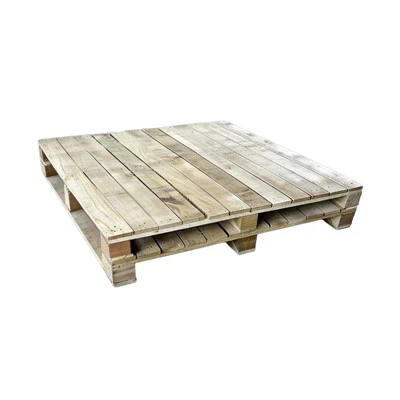
First up, the big one that everyone already sort of knows: firewood. But wait, I can’t just say “firewood works” – there’s a science here, and if you stack it wrong, it’ll rot. My wooden stacks are designed with slatted sides and open tops for a reason. Wood breathes, right? If you cram firewood into a closed plastic bin, it traps moisture, leads to mold, and turns your expensive seasoned wood into a mushy mess. My stacks let air circulate through every log, so you can keep multiple batches separated (like seasoned vs. green) without that damp stink that makes you regret storing it anywhere. Pro tip: never stack green wood too high, though – it’s heavier, and my units are built for steady, dry loads, not sagging softwood that’ll warp the bottom slats. I’ve had customers come back saying they used to store firewood against the house, which drew ants and mice, and now their firewood’s dry and their garage is ant-free. Win-win.
Next, garden tools. Not your fancy top-of-the-line hedge trimmer (let’s be real, you’ll grab that last minute from the shed), but the stuff that sits unused for months: trowels, hand forks, secateurs, those tiny dibbers for planting seeds, even the long-handled stuff like rakes and hoes. Wait, how do you fit that in a wooden stack? Here’s the trick – my stacks have adjustable slats, so you can leave some gaps wider for long handles, or slide a small shelf in for all the tiny metal bits. Let’s talk about why wood is better than plastic here. Plastic bins scratch tool blades, right? That’s why your secateurs go dull faster than they should. The smooth, sanded edges of my wooden stacks don’t nick metal, and if a trowel does scratch a little, you can sand the stack yourself – no replacing the whole unit like you would with plastic. Also, moisture from damp soil on your tools? Wood absorbs a tiny bit, lets it evaporate, instead of keeping the tools damp where they’ll rust. I had a customer last month who stashed all his kids’ plastic shovels and pails in a plastic bin last winter; they all turned yellow and cracked. Storing them in his wooden stack? Still look new, even after two years. Bonus: you can hang some tools from the top slats if you add a simple hook – no need to drill random holes in your shed walls, since the stack is its own storage hub.
Seed starting supplies. This is a niche one, but it’s where I’ve seen the biggest “why didn’t I think of that?” moments. Think about it: seed trays, seed starting mix bags, peat pellets, marker sticks, small bags of fertilizer, even those little plastic humidity domes. All that stuff gets dusty, gets eaten by mice, or gets mixed up so bad you can’t find the tomato seeds when you need them. My wooden stacks are the perfect height to fit standard 10×20 seed trays, stacked flat on small wooden shelves that slide in and out. The open sides let you see exactly what’s in each shelf – no digging through a pile of domes to find the right size. And since wood isn’t porous like, say, cardboard boxes, it doesn’t get soggy if you spill a bag of seed mix (I’ve seen that happen, trust me). I recently added a middle shelf with holes, specifically for seed packets – you can organize them by vegetable, flower, whatever, and they stay dry even if there’s a little humidity from nearby house plants. No more crumpled seed packets that you can’t read, no more mice nibbling on your tomato seeds – just easy access when it’s time to start planting in spring.
Now, the stuff most people don’t even consider: outdoor gear that’s not huge. Wait, what? Things like garden kneepads, knee boards, those rolling carts for carrying pots, even small planters? Let’s break that down. Kneepads and knee boards – they need to breathe, right? If you stuff them in a drawer, they get all squished and don’t bounce back, and if they get damp from kneeling in wet soil, they get moldy. Storing them in a wooden stack, leaning against the slats, lets them air out, so they last way longer. I had a guy tell me his kneepads used to go moldy every other year, now he’s had the same pair for five years stored in his wooden stack. Small planters too – the ceramic ones that chip if you stack them wrong, or the plastic ones that get scuffed. Wooden stacks have wide, flat bases, so you can nest small planters inside each other and stack them on the bottom level, no risk of chipping because they’re not leaning against anything sharp. Even small potting benches or folding chairs? If they’re not in use, you can take them apart a little (or fold them) and tuck them into the higher gaps in the stack, so they’re off the floor and not taking up space in the middle of your garage.
Wait, let’s talk about what you should NOT store, because even my stacks have limits. I can hear you asking: can I store my lawnmower in there? No. Those things are way too heavy, and they have sharp parts that could scratch the wood, plus gasoline fumes (even old ones) aren’t great for wood long-term. What about soil or mulch bags? Don’t stack full 2-cubic-foot bags of potting mix in my wooden stacks. They’re heavy, and they’ll warp the bottom slats over time – I designed these for light to medium loads, not bulk bagged stuff. And what about treated wood scraps? If you have old pressure-treated lumber, don’t store that near other garden supplies, because the chemicals can leach onto soil or seeds. My stacks are made from untreated, cedar or pine (we use two types, depending on what you need) so they’re safe for anything that touches plants, but still, no storing toxic stuff there.
Now, why my wooden stacks, not any old wooden crate you find at the hardware store? Let’s keep it real. Most wooden crates are rough, have splinters, and aren’t designed for outdoor or damp areas – they’ll rot in a year if you use them for garden stuff. My stacks are made from kiln-dried wood, so no warping, no bugs, and we treat them with a natural, food-safe sealant (that’s important if you’re storing food for gardening, like seed or even small herbs later) so they can handle a little dampness from rain or spilled water. They’re modular, too – you can add more levels if you need extra space, or take them apart if you move, so they’re way more flexible than a one-size-fits-all shelf. And since we’re a local supplier, I can help you pick the right size – do you need a small stack for your balcony, or a big one for a full backyard? No one-size-fits-all garbage here.
Here’s the thing about garden storage: it shouldn’t be complicated. You don’t need fancy garage organizers that cost hundreds of dollars and break after a year. You just need something that works, that keeps your stuff dry, that keeps pests out, and that doesn’t take up more space than it needs. I’ve heard so many gardeners say they hate storing stuff because it’s a hassle, but wooden stacks change that. I’ve seen a guy turn his cluttered garage into a space where he can walk between the lawnmower and the workbench, all because he used a few of my stacks for firewood, tools, and seed supplies. Another lady uses hers on her tiny balcony, storing her window box planters and her seed starting kit, so she has more space for her herbs.
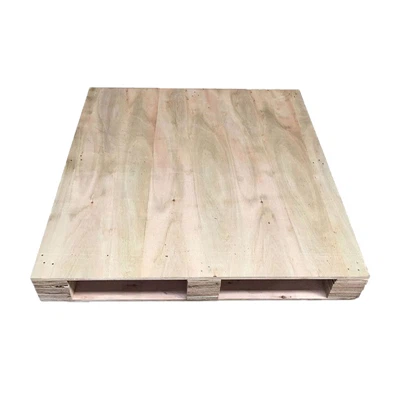
If you’re tired of tripping over tools, throwing out moldy seed packets, or watching your firewood rot, hit me up to chat about your needs. Whether you need one small stack for a balcony or a whole set for a large backyard, I can hook you up with durable, affordable wooden stacks that actually work for garden stuff. No runaround, no hidden fees, just honest advice from someone who’s been in the garden storage game for years, and knows exactly what works (and what doesn’t). Let’s get your garage (or shed, or balcony) organized – your plants, your tools, and your sanity will thank you.
Wooden Pallets References:
- University of Minnesota Extension. (2022). "Proper Wood Storage for Firewood and Garden Use." University of Minnesota Extension Bulletin.
- American Horticultural Society. (2021). "Garden Storage Solutions for Small Spaces." American Horticultural Society Practical Guide Series.
- Forest Products Laboratory. (2020). "Moisture Resistance of Kiln-Dried Softwoods for Outdoor Garden Storage." U.S. Department of Agriculture Forest Service.
Hongyiyuan Packaging Materials (Ningbo) Co., Ltd.
With abundant experience, we are one of the most professional wooden stacks manufacturers and suppliers in China. We warmly welcome you to wholesale high quality wooden stacks in stock here from our factory. If you have any enquiry about quotation, please feel free to email us.
Address: No. 2, Danshuihong Road, Cidong Industrial Zone, Cixi City, Ningbo, Zhejiang Province.
E-mail: 13812921555@126.com
WebSite: https://www.cnhongyiyuan.com/
