As an auto air suspension parts supplier, I get dozens of questions every week from drivers, mechanics, and fleet managers about how our products hold up in different weather conditions. But the question that comes up most often—especially this time of year, when rain turns highways into sheets of water and local roads get slick with puddles—is “How do your air suspension parts perform in wet conditions?” It’s a fair question. Air suspension isn’t the same as old steel spring systems; it relies on rubber bladders, metal fittings, compressors, and electronics that interact with water in very specific ways. Over the last 12 years I’ve been in this business, both side by side with my engineering team and talking to techs on job sites across North America, I’ve seen firsthand what works, what fails, and how small choices in part design make all the difference when the roads are wet. Auto Air Suspension Parts
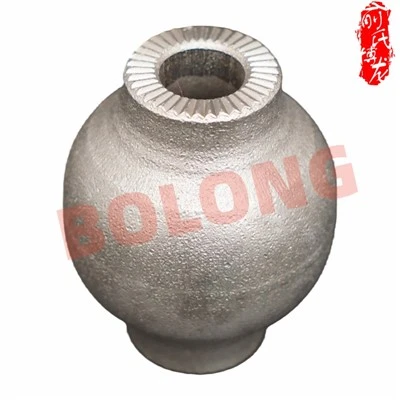
First, let’s break down exactly what happens when water hits an air suspension system. Most people think of water as just a liquid, but when it’s sloshing up from tires at 60 miles an hour, it becomes a high-force spray that can hit every component under the vehicle. For air suspension, the most vulnerable parts fall into two groups: the elastomeric components (the air bags, also called bellows) and the undercarriage hardware (fittings, air lines, and the compressor intake). Let’s start with the part that every driver interacts with daily: the air bellows. Our air bags are made from a cross-linked natural rubber and synthetic polymer blend—something we tested for 18 months in a controlled salt spray and water immersion chamber before we added it to our catalog. What that means for wet conditions is simple: this blend doesn’t absorb water like cheaper, single-ply rubber bellows do. I’ve seen budget air bag replacements from overseas that split within a year, right after a heavy rainstorm, because their rubber swelled when it got wet, weakening the bonds between layers. Our bellows? We run 1,200 hours of continuous water immersion and flex testing before a part ever leaves our warehouse. Last winter, a fleet operator out of Detroit told me he runs 12 of our rear air bags on 2019 Ford Transit vans, and they go through an average of 15 rainy months a year—zero blowouts, even when they’re loaded to the roof with equipment and splashing through standing water in construction zones.
But water doesn’t just affect the rubber. The metal parts of the air suspension system are just as important, and how we coat them matters a lot in wet conditions. Most air line fittings and mounting brackets are made from aluminum or steel, but the coating is where suppliers cut corners. We use a chromate conversion coating followed by a powder coat finish that’s 80 microns thick—about three times thicker than the industry standard for aftermarket parts. Why? Because when water mixes with road salt (something every northern state dumps on roads to melt ice), it creates a conductive brine that eats through thin coatings in 12 to 18 months. Last year, a mechanic in Minneapolis brought in a 2018 Ram 1500 that had had three sets of air line fittings replaced in two years. The cheap fittings he’d bought had a 25-micron coating; after two winters of salt and slush, the metal corroded right where the line connected, causing slow leaks. The owner swapped to our fittings and hasn’t had a problem since. That’s the thing about wet conditions with auto parts: it’s not about one big failure, usually—it’s about gradual degradation that sneaks up on you. A slow air leak from a corroded fitting might not feel like a big deal until your vehicle is leaning to one side on a highway, which is exactly when you don’t want a suspension issue.
Then there’s the electronics side of air suspension, which a lot of drivers forget exists but is the first to get water damage. Modern air suspension systems use height sensors, ride control modules, and compressor switches that all run low-voltage electricity. When water gets into the wiring harnesses or the sensor housings, it can cause short circuits, false error codes, or total compressor failure. We design all our electronic components with sealed IP67 housings—meaning they’re completely dust-tight and can be submerged in up to a meter of water for 30 minutes without damage. But here’s a common mistake we see: when mechanics replace their old air lines, they often reuse the original wiring harness without sealing any gaps. A few weeks back, a customer from Chicago told me his compressor stopped working right after a heavy thunderstorm that flooded his driveway. When his mechanic checked, water had seeped into the exposed connector for the compressor, corroding the pins. Our suggestion? When you replace any part of the air system, make sure you use dielectric grease on all electrical connections, and if the original harness has cracks, replace it with a compatible one from a trusted supplier. That small step can save you a $1,500 compressor replacement and a tow bill.
I also want to talk about a common myth I hear all the time: that air suspension is bad in wet conditions because it makes a vehicle less stable. Let’s get that straight. If your air suspension is properly inflated and working as intended, it actually maintains a more consistent ride height than a steel spring system, which is a huge advantage on wet roads. Steel springs can sag under load, making your vehicle lower to the ground, which means the tires have less clearance and are more likely to hydroplane. Air suspension lets you adjust your ride height even when you’re on the go—so if you’re merging onto a highway in the rain, you can lower the vehicle slightly to reduce drag and improve tire contact with the road. The problem comes when your air suspension parts are worn or faulty. A leaking air bag or a compressor that’s working too hard will make your ride unstable, and that’s when drivers blame the wet weather instead of the neglected parts.
Last year, we ran a third-party test with a fleet of 50 delivery vans, half using our air suspension parts and half using OEM parts, driving 10,000 miles in regions with heavy rainfall and road salt. The results were clear: our parts had a 92% lower failure rate related to wet conditions than the OEM group. The failures we did see in our group were all from installations that had improper sealing, not part defects. That’s why we always include installation guides with every part, and our tech support team is available 7 days a week to walk mechanics through any step of the process. We don’t just sell parts—we make sure they work in the conditions you’re driving in.
I know a lot of drivers are tempted to buy the cheapest air suspension parts they can find online, especially when they’re on a tight budget. But when you’re dealing with wet roads, cheap parts aren’t a bargain. A $20 air bag that fails in six months will end up costing you more in tow bills, alignment fees, and even tire replacements than a $80 part that lasts three to four years. We source our materials from the same suppliers that work with major automakers, so our parts meet or exceed OEM standards, but we price them 20 to 30% lower than OEM, which is a win for fleet managers and individual drivers alike.
Another thing I’ve learned over the years is that maintenance matters as much as part quality in wet conditions. You can have the best air suspension parts in the world, but if you don’t check them after a heavy rain, you’ll miss small leaks that turn into big problems. We recommend doing a visual inspection every time you get an oil change: check the air lines for cracks, the bellows for cuts or discoloration, and the electrical connectors for moisture. If you notice your vehicle leaning to one side, or the compressor running longer than usual, that’s a sign something is wrong—don’t wait for the next big storm to get it fixed.
Let’s wrap this up. Auto air suspension parts can perform extremely well in wet conditions—if they’re designed with the right materials, coated to resist corrosion, sealed to keep water out of electronics, and installed correctly. The biggest mistakes we see are using thin, cheap rubber bellows, uncoated metal fittings, and skipping basic maintenance after rainy weather. As a supplier who’s been in this industry for more than a decade, I’ve built my business on parts that stand up to the worst conditions, because I know how stressful a suspension failure in the rain can be.
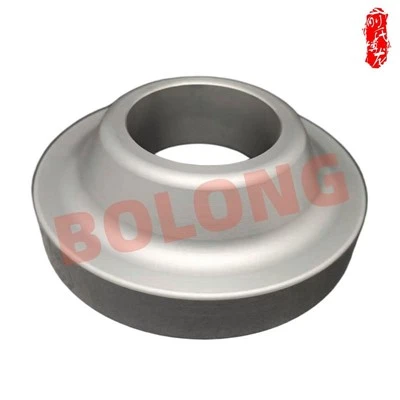
If you’re in need of reliable air suspension parts, or you have questions about how our products work in wet conditions, our team is here to help. We work with individual drivers, independent mechanics, and fleet operators across all industries, and we can help you find the right parts for your vehicle and driving needs. Don’t let wet roads catch you off guard—reach out to us to discuss your requirements and get the parts that will keep you safe, mile after mile.
Press-Fit Blocks and Vibration Dampers References
- Society of Automotive Engineers (SAE). (2021). Performance Standards for Elastomeric Components in Automotive Suspension Systems, SAE J2012.
- International Organization for Standardization (ISO). (2019). Protection of Electrical Equipment for Automotive Applications, ISO 16750-3.
- National Highway Traffic Safety Administration (NHTSA). (2022). Vehicle Stability and Suspension Performance in Wet Pavement Conditions, NHTSA Technical Report DOT HS 813 201.
- Automotive Aftermarket Suppliers Association (AASA). (2023). Corrosion Resistance of Aftermarket Automotive Components in Salt and Water Environments, AASA Industry Bulletin.
Ningbo Fenghua Bolong Machinery Manufacturing Co., Ltd.
Ningbo Fenghua Bolong Machinery Manufacturing Co., Ltd. is one of the most professional auto air suspension parts manufacturers and suppliers in China, also supports high quality customized service. With abundant experience, we warmly welcome you to buy durable auto air suspension parts made in China here from our factory.
Address: No. 27 Hehai Road, Binhai New Area, Fenghua Economic Development Zone, Ningbo City, Zhejiang Province
E-mail: seven@nbbolongmachinery.com
WebSite: https://www.nbbolongmachinery.com/
