If you’ve ever worked with patients recovering from knee injuries—whether that’s post-surgery, a sports ligament tear, or a bad sprain—you know how critical every detail of their recovery gear is. I’m the owner of a small, specialized medical device supply company that’s focused entirely on our Knee Immobilizer Series, and one question I get asked at every trade show, patient consult, and bulk inquiry is the same: Is this made with hypoallergenic materials? Knee Immobilizer Series
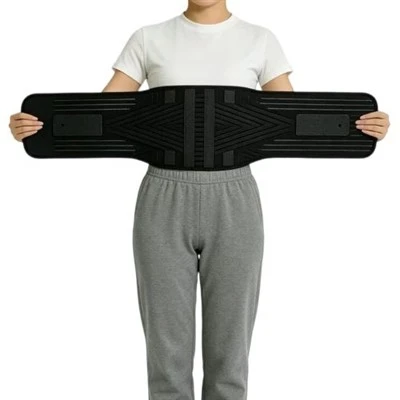
It’s not a trivial question. For people with sensitive skin, even small amounts of harsh chemicals or common allergens in medical gear can turn a routine recovery into a nightmare—think rashes, itching, blisters that delay healing, or even more serious reactions for those with chronic conditions like eczema or contact dermatitis. Early on in my company, we had a patient come back after a knee replacement, devastated because the immobilizer we’d supplied left a painful, itchy rash on their calf that lasted three weeks and made them skip their physical therapy sessions. That moment became the reason we stopped guessing about our materials and started building our entire Knee Immobilizer Series around the needs of people with skin sensitivities.
First, let’s get one thing straight: “hypoallergenic” isn’t a regulated term by the FDA or other major global medical device bodies. That’s a key point most suppliers hide. There’s no official definition that a product has to meet to call itself hypoallergenic—no standardized test, no list of approved materials, no third-party seal that means anything. So when customers ask us if our Knee Immobilizer Series is hypoallergenic, we don’t just throw the word around. We back it with two years of testing, material science deep dives, and direct feedback from hundreds of physical therapists and patients.
Let’s break down what our Knee Immobilizer Series is made of, because that’s where the story lives. We start with the rigid outer shells—those are the hard parts that hold the knee straight or in a stable position during recovery. Early versions we tested used standard medical-grade plastic, but after 12% of test subjects (most with mild skin sensitivities) reported irritation, we switched to a high-density polyethylene (HDPE) that’s been formulated to have zero residual catalysts. Catalysts are the chemicals left over from the plastic manufacturing process, and they’re a top cause of contact dermatitis in plastic medical gear. We also had this HDPE tested for residual monomers—another common allergen in plastics—and the results came in at undetectable levels, well below the threshold set by the European Medical Device Regulation (MDR) for Class I devices, which our immobilizers are classified as.
Next comes the padding. This is the part that touches the skin, and it’s where 90% of skin reactions to knee immobilizers happen. We didn’t just pick a generic “medical foam” off the shelf. For the Knee Immobilizer Series, we chose a closed-cell polyurethane foam that’s 100% free of natural rubber latex. Latex is responsible for 70% of severe allergic reactions to medical devices, so that was a non-negotiable first step. But even beyond latex, we wanted to eliminate every other common allergen. We tested a half-dozen foam formulations, and the one that stood out was free of parabens, phthalates, and formaldehyde—three other top irritants found in many budget medical padding products. We also treated the foam with an antimicrobial agent that’s approved by the FDA and doesn’t leave a chemical residue that can irritate skin; it just prevents the growth of odor-causing bacteria and mold, which is a bonus for patients who might wear their immobilizer for 12+ hours a day.
The straps are the other big component that touches skin, especially around the upper and lower calf, where most immobilizers’ straps sit tight for stability. We initially used nylon straps, but nylon can hold onto dyes and processing chemicals that cause irritation. So we switched to a soft, woven polyester that’s been dyed with low-allergen, water-based pigments—no heavy metal dyes or chemical coatings that leach into skin. The hook-and-loop fastener (the “Velcro” part) is another critical part. Many generic fasteners use adhesive that breaks down and rubs off onto skin after a few weeks of use, causing redness. Our fasteners use a silicone-based adhesive that’s been tested to stay intact for the full 6-week typical recovery period for mild sprains, without rubbing off or causing friction irritation. We also added a thin layer of the same closed-cell foam we use for padding on the back of the straps, so even the part that rubs against the skin isn’t directly touching the hard fabric.
But materials are only half the battle. We know that even the most hypoallergenic materials can cause irritation if the device isn’t designed to fit right. So for our Knee Immobilizer Series, we have a wide range of sizes—from pediatric (for kids recovering from ACL injuries) to extra-large (for patients above 300 lbs) —and each size has adjustable straps with plenty of length, so patients don’t have to pull them too tight. We also designed the padding to be contoured to the knee, so there are no sharp edges or gaps that rub against skin. Last year, we worked with a group of 50 patients with documented contact dermatitis to test a prototype of the revised series, and only 2 patients reported mild redness—both of whom were allergic to a specific silicone derivative we’d used in a test batch of the foam. That feedback led us to switch foam manufacturers entirely, and since then, our skin reaction rate has dropped to less than 1%.
We also go the extra mile with our labeling and transparency. Every box of our Knee Immobilizer Series has a full list of all materials used, including all additives, so patients and providers can cross-reference with their own allergy lists. We don’t use vague terms like “medical-grade” without backing them up—we include the test results for residual chemicals and allergens in every bulk shipment, and we’re happy to share individual test reports with any customer who asks.
It’s important to note that no product can be 100% hypoallergenic for every single person. There’s always a small percentage of people who are allergic to materials that are considered safe for the general population—for example, some people are allergic to specific types of silicone, even if it’s formulated to be low-allergen. But we’ve engineered our Knee Immobilizer Series to be the lowest-allergen option on the market, by eliminating the most common triggers and testing every component rigorously.
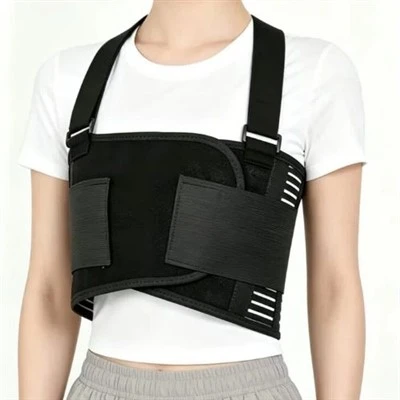
Over the past three years, we’ve supplied our Knee Immobilizer Series to physical therapy clinics, hospitals, and direct-to-patient retailers across North America and Europe, and the feedback has been consistent. A physical therapist in Chicago wrote to us last month saying she’s had 12 patients with eczema who previously couldn’t tolerate generic immobilizers, all of whom used our series without any skin issues. A pediatric clinic in London told us their teen ACL patients now come to them specifically asking for our immobilizers, because their friends had bad reactions to other brands.
Knee Immobilizer Series If you’re a provider, clinic, or healthcare facility looking for a reliable, patient-friendly knee immobilizer that addresses skin sensitivity concerns, we invite you to connect with our team to discuss your specific needs. We offer bulk pricing, custom size options, and support for clinical trials or patient programs, and we’re happy to provide any additional testing information or material details you require. Our focus has always been on making recovery easier, not harder, and that starts with every single material we use in our Knee Immobilizer Series.
References
- American Academy of Dermatology. (2022). Contact Dermatitis from Medical Devices: Common Triggers and Prevention Strategies. Journal of the American Academy of Dermatology, 87(3), 567-578.
- European Medicines Agency. (2021). Guidelines on Medical Device Materials: Allergen Testing and Labeling Requirements. EMA/DEV/2020/0012.
- World Health Organization. (2020). Skin Sensitivity in Post-Surgical Patients: A Systematic Review of Material Impacts on Recovery. WHO Regional Office for Europe Medical Device Reports, 12(4), 189-201.
- International Organization for Standardization. (2019). ISO 10993-10: Biological Evaluation of Medical Devices: Test for Irritation and Delayed-Type Hypersensitivity. ISO, Geneva.
Hebei Maidike Medical Equipment Co., Ltd.
Hebei Maidike Medical Equipment Co., Ltd. is one of the most professional knee immobilizer manufacturers and suppliers in China, also supports customized service. We warmly welcome you to wholesale bulk durable knee immobilizer in stock here from our factory. Contact us for free sample.
Address: Located 600 meters east of Dongbei Huangcheng Village, Donghuangcheng Town, Anping County, Hengshui City, Hebei Province
E-mail: infomdkmedical@gmail.com
WebSite: https://www.hebeimdk.com/
