If you’ve ever seen a well-worn marble dining table, you know those soft, swirling veining isn’t just pretty—it’s a surface that scratches way easier than wood or laminate, right? I’m a marble dining table supplier, and let me tell you, almost every customer who reaches out has the same problem: they love the look, but they’re terrified of chipping or scuffs ruining that sleek, timeless finish before they even get a year of use out of it. Over the 10+ years I’ve been doing this, I’ve tested a ton of hacks, talked to stone conservators, and helped thousands of buyers find ways to keep their tables looking new. The best way to protect your marble table from scratches isn’t just slapping a random mat down—it’s mixing smart daily habits, intentional product choices, and a few no-fuss tweaks that don’t ruin the aesthetic. Let’s break this down like we’re chatting over a coffee, no fancy jargon required. Marble Dining Table

First off, let’s get one myth out of the way: not all marble scratches are created equal. I’ve had customers say “my table got scratched from a spoon!” and then show me a mark that’s actually etching—different thing, more from acidic stuff like lemon juice or wine. Real scratches on marble are tiny, linear marks that happen when a hard, rough surface drags across the stone. Marble’s main component is calcite, a soft mineral on the Mohs hardness scale (Mohs 3, for context—your fingernail is Mohs 2.5, a penny is Mohs 3.5, a kitchen knife is Mohs 5.5, and quartz is Mohs 7). That means anything harder than marble, when dragged, will leave a mark. So the key is to block that drag, not just cover the surface.
Let’s start with the big one people usually overthink: table pads and placemats. I see so many people grab the cheap plastic placemats from the dollar store, or even a thick wooden cutting board to put hot pans on, and wonder why they got scratches. Wait—wooden cutting boards? Yeah, if the bottom is unfinished and has rough grain, dragging that across marble will act like sandpaper. The best pads aren’t just any flat mat—they’re padded on the underside, and they fit the size of your plate, glass, or pan. I recommend silicone placemats that are at least 1/8 inch thick, not the thin, flimsy kind that shift around. But here’s a pro tip most suppliers don’t tell you: don’t just use placemats for dinner. If you’re setting a candle, a vase, or even a bowl of fruit on the table, put a coaster or a small pad under it too. Glass bottoms, ceramic bases—any of these, if they have a rough edge, can drag when you move them, even if they feel smooth. I once had a customer move a ceramic soup tureen to wipe a spill, and the bottom had tiny, unnoticeable glaze bumps that left a scratch. That’s the kind of avoidable stuff no one talks about.
Next, hot items. A lot of people think marble is heat-resistant, and it is… up to a point. Most home marble can handle temps up to around 200°F, but a hot pan straight off the stove is usually 350°F or more. Dragging that pan from the stovetop to the table? The heat alone can etch it, but if the bottom of the pan is rough metal, it’ll scratch it too. I tell all my customers: always use a trivet. Not the tiny, wobbly metal trivet that comes with your crockpot—get a silicone or felt-backed cork trivet that’s flat, and covers the entire bottom of the pan or pot. Even better, if you’re setting something big like a baking tray, use two trivets spaced out so the tray doesn’t dip and drag the edges. I’ve seen guys use a folded dish towel, but wait—cotton towels can have loose threads or rough seams, so that’s a gamble. Stick to the felt or silicone-backed ones, and don’t reuse a trivet that has a frayed edge—those loose fibers or rough spots will scratch over time.
Then, daily use habits that take 2 seconds and add up. Let’s talk about what you put on the table, and how you move it. If you have kids or pets, this one’s extra important. First, don’t drag anything across the table. I know it’s tempting to slide a plate to someone when you’re mid-conversation, but even a small plate with a smooth ceramic bottom can catch on a crumb and leave a tiny scratch. Lift it. Same with glasses—sliding a glass with water in it might seem harmless, but if the base has a dirt particle on it, that’s like a tiny knife dragging across marble. My rule is: if it’s not heavy, lift it; if it is heavy, use two hands and lift, not slide. For heavy stuff, like a coffee urn or a big serving bowl, use a dolly or a moving mat that’s designed for heavy objects—you can get small ones for tables, they’re just thick, low-felt pads. Also, wipe up crumbs before you clean the table. Brushing a crumb off the table with a paper towel is fine, but if you have a crumb under a glass and you slide the glass, that crumb is a little rock dragging across the marble. I keep a tiny handheld brush and dustpan by the table just for that—takes 10 seconds, and saves a lot of heartbreak.
Wait, what about cleaning? A lot of people accidentally scratch their tables when they clean them. That’s a big one. You shouldn’t use a sponge with a rough scouring pad side to scrub the table, right? I see that all the time. Even the “gentle” scrub pads at the grocery store are way too rough for marble. Use a microfiber cloth—they’re cheap, you can get a pack for $5, and they’re soft enough that they won’t scratch, but they pick up grime. Also, don’t use abrasive cleaners. Windex, bleach, even regular dish soap—those can etch the marble, and if they have tiny particles in them (like some citrus-scented soaps), they can scratch too. I recommend a pH-neutral stone cleaner, and I sell a small 8oz bottle with all my tables because it’s exactly what works—no additives, no rough stuff. If you don’t want to buy a special cleaner, a drop of mild dish soap (like Dawn Original, no scents) mixed with warm water is fine, but wring the cloth out so it’s just damp, not soaking wet—standing water can seep into the marble and cause discoloration, which is another problem, but that’s a separate thing from scratches.
What about if you already have small scratches? A lot of customers ask if they can fix them themselves, and the answer is: tiny, superficial scratches, yes, but deep ones, you need a pro. For surface scratches, there are marble polishing kits you can use at home—they’re basically a mild abrasive compound that buffs out the scratch. But here’s a tip: test it on an inconspicuous spot first, like under a rug or a side of the table that’s against the wall. You don’t want to accidentally make the finish uneven. I’ve had a customer try to buff a scratch in the middle of the table, and he made a small dull patch that was way more noticeable than the original scratch. So if you’re not comfortable, just call a stone conservator—most of them will come to your house, and it’s not as expensive as you think, especially for a dining table.
Now, let’s talk about mistakes people make that actually make scratches worse. One big one: using placemats that are too small. If your placemat is only 6 inches wide, and your plate is 10 inches, the edge of the plate is hanging over, dragging on the table every time you move it. Get placemats that are big enough to cover the entire plate and your utensils, so nothing hangs off. Another mistake: leaving metal objects on the table overnight. A metal fork or spoon left on the table can get moved by someone in their sleep, or dragged when you’re clearing it, and metal is harder than marble, so that’s a guaranteed scratch. And don’t use nail polish remover or any kind of harsh chemical on the table—those can eat away at the sealant, making the table more prone to scratches later.
Wait, what about sealant? A lot of people ask if sealing their marble will prevent scratches. Here’s the thing: sealant makes the marble stain-resistant, and it adds a tiny bit of protection, but it’s not scratch-proof. It’s like putting a coat of paint on wood to keep it from water damage—good, but if you drag a hard thing across it, the paint can chip, and the wood can scratch. So sealing is still important, but don’t rely on it to stop scratches. You still need the placemats and the trivets.
Let me give you a real example from a customer last month. They bought a 72-inch white marble dining table from me, and they were panicking because they had a 3-year-old who loves to slide crayons around. Wait, crayons—wax crayons, right? I told them, first, put a mat under the crayon box, and when they draw, use a silicone placemat on top of the table, so the crayon doesn’t drag the table. They did that, and a month later, they sent a pic of the table, no scratches. That’s the kind of small thing that works. Another customer had a big family, so they use thick silicone table pads for dinner parties, and they told me after 2 years, their table looks exactly like it did the day they brought it home.
I know a lot of people think marble is high-maintenance, but it’s really not if you follow these simple steps. It’s not about covering the whole table with plastic, which would ruin the look—marble’s beauty is in the natural veining and the smooth finish, so you don’t want to hide that. The best way is to add small, functional pieces (thick placemats, trivets, coasters) that fit the style, and build those habits of lifting instead of sliding, wiping crumbs before moving things.
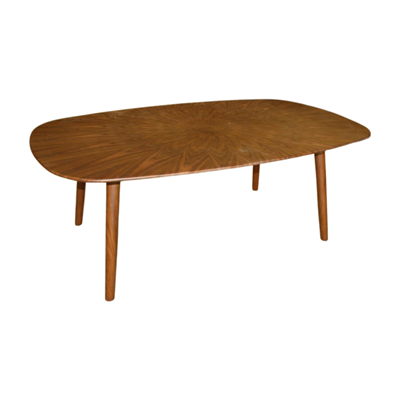
If you’re in the market for a marble dining table, or you have one already and want to make sure it stays scratch-free, reach out. I can walk you through what works best for your table size, your lifestyle, and even suggest the right pads and cleaners that won’t mess up the finish. No sales pitches, just straight-up advice, since I’ve been doing this long enough to know what actually works, not what’s just a fancy product to sell you. If you want to talk through what you need, shoot me a message, and we can work out the details for your perfect table protection plan.
Melamine Dining Table References:
- Marble Institute of America. (2021). Care and Maintenance of Natural Stone Surfaces.
- American Society for Testing and Materials. (2019). Standard Test Method for Scratch Hardness of Natural Stone.
- Stone World Magazine. (2022). Common Misconceptions About Marble Maintenance.
- International Union of Stone Workers. (2020). At-Home Marble Repair Guide for Surface Scratches.
Bazou Wenyuan Furniture Co., Ltd.
Bazou Wenyuan Furniture Co., Ltd. is one of the most professional marble dining table manufacturers and suppliers in China, also supports customized service. We warmly welcome you to wholesale bulk advanced marble dining table from our factory. If you have any enquiry about quotation, please feel free to email us.
Address: Tangerli, Bazhou City, Hebei Province, China, on the east side of G112 National Highway
E-mail: admin@wenyuanfurniture.com
WebSite: https://www.wenyuanfurniture.com/
