If you’re running a flatbread production line, one of the most common questions we get from clients is: “How long should I bake flatbread for?” It’s not a one-size-fits-all answer, and skipping the details here can lead to issues—like bread that’s too doughy inside, way too crispy, or even inconsistent batches that drive customers nuts. As someone who’s spent years designing and tweaking production lines for flatbread makers, I’ve learned that baking time is tied to way more than just setting a timer. Let’s break this down like we’re troubleshooting a line over coffee, no stuffy lab jargon required. Flatbread Production Line
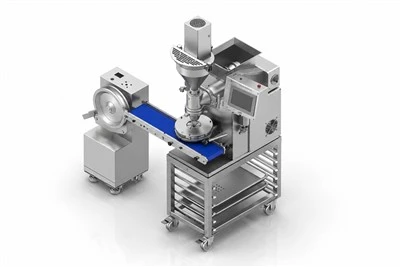
First, let’s start with the basics: what even counts as a flatbread these days? It’s not just the thin, crispy lavash you find at the grocery store shelf. We work with clients making naan, tortillas, paratha, pita flatbread, even specialty ones like Mediterranean manaqish. Each of these has a different thickness, moisture content, and desired texture, so their baking times shift hard. For example, a 1mm-thin lavash that’s meant to be crispy and foldable will bake way faster than a 5mm thick naan that needs a soft, chewy crumb inside. If you get this wrong early, you’re stuck reworking batches, wasting dough, and falling behind on orders.
Let’s talk about production line-specific variables, because when you’re running a line, you’re not baking one loaf in an oven at home. Your flatbread is moving through a conveyor oven, right? That’s the workhorse of any commercial flatbread line. The oven’s temperature profile is huge here—most conveyor ovens have three zones: a pre-heat zone to kick-start the rising or cooking, a main bake zone to set the structure, and a cooling zone to lock in texture. I’ve seen clients turn a good 12-minute bake time into 8 minutes just by cranking up the main zone too high, leading to charred edges and doughy centers. It’s a balance, not a rush.
Thickness is the next big one. We’ve had a client making 3mm tortillas for tacos that used a 9-minute bake time, but when they switched to 4.5mm for burritos, their line was underbaking the inside at 9 minutes. They ended up adding 2 more minutes to the main bake zone, and suddenly, no more soggy tortillas when customers folded them. Pro tip: if your dough comes out of the sheeter with uneven thickness (we see this a lot with old sheeter rollers), that’s a quick fix—replace the rollers, or adjust the gap daily, to keep thickness consistent. Even a 0.5mm difference can add a minute or two to your bake time, and if half your line is off, you’ve got half the batch that’s messed up.
Moisture content of the dough is another thing people sleep on. Dough with higher water needs more time in the oven to evaporate excess moisture, right? We recently worked with a sourdough flatbread client whose dough had 65% hydration (that’s high for flatbread, usually it’s 55-60%). Their initial bake time was 10 minutes, but they noticed their flatbread was sweating when it came out of the oven—condensation on the wrapper meant leftover moisture, so it was going moldy too fast. We bumped their bake time by 1.5 minutes, and the condensation stopped, shelf life went up, and customers were way happier. If you’re using a pre-proofed dough (super common for commercial lines to save time), that can affect moisture too—proofed dough has a bit more surface moisture, so you might not need to add time, but don’t skip testing it.
Then there’s the conveyor speed, which is basically how time translates to your line. If your conveyor moves at 10 feet per minute, and your main bake zone is 100 feet long, that’s exactly 10 minutes of bake time, right? Easy math, but a lot of lines have inconsistent conveyor speed—like if the motor’s wearing out, or the drive belt is slipping. We had a small bakery client who thought their bake time was 7 minutes, but their conveyor belt was slipping, so it was only moving 9 feet per minute on average, not 10. That led to some batches baking 7 minutes, some 6.5, so they had to sort through every single flatbread. Now, we include conveyor speed calibration as a part of our line setup—no weird slipping, just consistent speed, so your bake time is exactly what you set.
Wait, what about oven airflow? Conveyor ovens are either convection (with fans blowing hot air) or radiant (heat from top and bottom elements). Convection ovens are way faster—we’ve seen convection lines cut bake time by 20-30% compared to radiant. For example, a 10-minute bake time in a radiant oven might be 7 minutes in a convection one. That’s why when we’re designing lines for clients, we ask what type of oven they’re using—don’t buy a convection line if your whole setup is radiant, or vice versa, because the bake time will be way off. I once had a client who bought a used conveyor oven that was a convection, but they kept using the old bake time from their radiant oven. They were overbaking so bad their flatbread turned into crackers, and they didn’t figure it out for a month—total waste of dough and time.
Also, don’t forget the final product’s end use. If your flatbread is going to be used for wraps that need to stay soft and pliable, you want a slightly shorter bake time (like 8-10 minutes for 4mm tortillas) because they’ll soften a bit more as they cool. If it’s a crispy flatbread meant for chips or dipping, you want a longer bake time (12-15 minutes) to evaporate almost all moisture, so it stays crispy for weeks. We recently had a client making Mediterranean flatbread for hummus platters that wanted extra crispy edges, so we adjusted their bake time to 13 minutes, and they started selling 20% more of that variant because it held up better to dips.
Now, let’s get into the common mistakes we see all the time. First, using a generic bake time from a recipe meant for home ovens. Home ovens are small, and you’re baking one flatbread at a time—commercial production lines are big, so the heat has to penetrate a whole batch, not just a single piece. Second, not testing a test batch first. When we install a new line, we always do a run with the client’s own dough to adjust the bake time, because even if two clients make the same flatbread, their dough recipe is different. Third, ignoring maintenance on your oven—if the heating elements are dirty, or the fan is broken, your bake time will be wrong no matter what. We do quarterly check-ins with most of our clients, and half the time, a simple element clean fixes their baking issues.
Wait, what about cooling? That’s technically after baking, but it ties into how the bake time works. If you pull flatbread out of the oven and it’s still 180°F inside, that residual heat will keep cooking it a little. So if you set your bake time to end at 180°F, you might end up with overbaked flatbread in the cooling zone. We recommend pulling flatbread out of the oven at around 165°F internal temp, so the cooling zone can finish the rest. That’s a tiny adjustment, but it cuts down on waste a lot. A client of ours was wasting 15% of their batches because of overbaking, just by not accounting for residual heat—fix that, and they saved thousands a month.
Let’s give you a real example, straight from a client we worked with last quarter. They were making 3.5mm paratha for a major grocery chain, using a conveyor oven. Initially, their line was set to 11 minutes bake time, and they had a 10% underbake rate—some were doughy, some were too flaky. We tested their dough, measured thickness, checked conveyor speed, and found two issues: their dough hydration was 5% higher than they thought, and their conveyor was moving 0.5 feet per minute faster than the set speed. We adjusted the bake time to 9.5 minutes, and calibrated the conveyor. Now their underbake rate is down to 1%, and they increased production by 12% because the bake time was shorter. That’s the kind of tweak that makes a huge difference.
So how do you nail the exact bake time for your line, specifically? It’s not a number you just pull off the internet. Here’s our step-by-step process for clients: first, measure your flatbread thickness with a caliper (digital ones are cheap, worth the $20). Second, test a small batch with a range of bake times—say, 8, 9, 10 minutes for 3mm thickness. Check two things: internal temperature (use a meat thermometer, stick it in the center—needs to be 160°F minimum to kill any bacteria) and texture (if it’s soft, chewy, no doughy center). Third, track your production line variables: conveyor speed, oven temperature, dough hydration. Write it all down, so if you change dough recipes or switch to a new sheeter, you don’t have to start from zero. Fourth, do a weekly check: pull one flatbread every hour, check for consistency, adjust bake time by 30 seconds if needed.
Now, if you’re in the market for a flatbread production line, you don’t want to just buy a machine that bakes a set time for a generic bread. You want a line that’s adjustable, so you can tweak bake time as your needs change. We design our lines with variable zone temperatures, easy conveyor speed calibration, and built-in temperature trackers, so you don’t have to mess with guesswork. We also offer line startup support, where we work with your team to nail that exact bake time on day one, no trial and error that wastes dough.
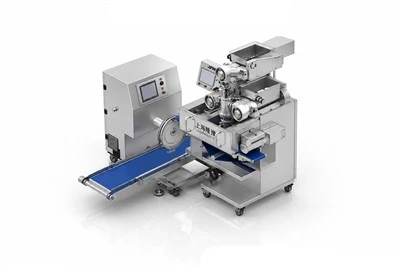
If you’re tired of inconsistent flatbread batches, high waste, or lines that can’t keep up with customer demand, we can help you design a production line that’s tailored to your bake time needs. Reach out to our team to chat through your flatbread specs, current line issues, and how we can adjust the bake time to make your operation run smoother. We’re here to answer questions, not just sell equipment.
Meat Processing Lines References
- Food and Agriculture Organization of the United Nations. (2020). Commercial Baking Technology for Flatbread Production.
- American Society of Baking. (2021). Conveyor Oven Operation and Process Control.
- Journal of Food Processing and Preservation. (2019). Effects of Dough Thickness and Hydration on Flatbread Baking Characteristics.
- International Association of Food Industry Suppliers. (2022). Small-Batch vs. Commercial-Scale Baking Processes.
Shanghai Longyu Electro-Mechanic Technology Co., Ltd.
Shanghai Longyu Electro-Mechanic Technology Co., Ltd. is one of the most professional flatbread production line manufacturers and suppliers in China, featured by quality products and good service. Please feel free to wholesale advanced flatbread production line made in China here from our factory. Also, custom service is available.
Address: No.66, Guangfulin East Road, Zhongshan Subdistrict, Songjiang District, Shanghai, China
E-mail: sales4@longyu-sh.com
WebSite: https://www.longyu-sh.com/
