If you’ve ever spent time scrolling through anti-aging skincare or watching dermatology Q&As, you’ve probably heard peptides tossed around like some kind of magic fix for fine lines, sagging skin, and dullness. For years, I’ve worked in the anti-aging peptide space as a supplier, and I can’t tell you how many times customers—from small boutique skincare brands to big name formulators—reach out asking which ingredients make up the peptides that actually work. It’s not a one-size-fits-all answer, but there are common, evidence-based building blocks that go into nearly every effective anti-aging peptide we offer. Let’s break this down in plain, practical terms, no jargon that makes your eyes glaze over. Anti-aging Peptide

First, let’s get clear on what a peptide actually is, because so many people confuse it with other anti-aging ingredients. Peptides are short chains of amino acids—the same tiny molecules that make up your skin’s structural proteins like collagen and elastin. Think of them as little messengers: when your skin detects these specific chains, it ramps up its own production of the proteins that keep skin plump, firm, and smooth. Anti-aging peptides aren’t the “one trick” fix, but their ingredients map directly to the parts of your body that naturally decline as you age. That’s why the core building blocks are consistent across most effective lines.
The first most common ingredient in anti-aging peptides is collagen-derived amino acids. Wait, not just collagen itself—these are the specific fragments of collagen that trigger your skin’s repair response. Collagen makes up about 70% of your skin’s dry weight, but after your mid-20s, your body produces about 1% less of it every year, and the existing collagen breaks down faster. Peptides made from collagen fragments work by mimicking the signals your skin uses to build new collagen. For example, our most popular customer requests include matrixyl-type peptides, which are built from proline and hydroxyproline—two key amino acids found in collagen’s triple helix structure. These aren’t random; your skin recognizes these amino acid sequences as a cue to make more collagen, so formulators rely on them constantly. I’ve seen brands adjust the mix of proline, glycine, and alanine (three core collagen amino acids) to tweak how quickly a peptide works—faster absorption for eye creams, deeper penetration for neck treatments. It’s a tight, science-backed formula, no luck involved.
Next up: elastin-related amino acids. Elastin is what gives skin its stretch, right? When elastin breaks down, skin loses its bounce, leading to sagging around the jawline and eyes. Peptides designed to target elastin damage are built from valine, leucine, and isoleucine—branched-chain amino acids that are a big part of elastin’s structure. A lot of customers come to us asking for peptides that address sagging specifically, and these are the go-to building blocks. What’s cool is that these peptides don’t just rebuild elastin; they also help preserve what’s already there, by inhibiting the enzymes that break elastin down. That’s why you’ll see elastin-focused peptides in products marketed for mature skin, where sagging is a bigger concern than fine lines.
Another super common ingredient in anti-aging peptides is signal peptides, specifically growth factor-mimicking sequences. Wait, growth sounds intense, but it’s just another term for the signals that tell your skin to repair itself. Growth factors like TGF-beta (transforming growth factor-beta) and EGF (epidermal growth factor) are naturally present in your body, but they degrade quickly, so peptides that mimic their structure are a stable alternative. These peptides are built from amino acids that match the active site of these growth factors. For example, our customers often order peptides with arginine and lysine as core components—these positively charged amino acids help the peptide stick to skin cells, so the signal gets through instead of washing off. I’ve had formulators tell me that the balance of arginine to other amino acids is the difference between a peptide that works and one that fades away after a week of use. It’s that specific.
Don’t forget about moisturizing and hydrating amino acids, which are often a hidden part of anti-aging peptide blends. When skin is dehydrated, fine lines look deeper, and your collagen production slows down. So many formulators mix peptides with amino acids like serine, threonine, and glutamine—these are humectants that draw moisture into the top layer of skin, plumping up lines temporarily while the peptide does its long-term work. A lot of people don’t realize this, but a peptide’s performance relies on more than just its active chain; the supporting amino acids make sure it gets to where it needs to go. For example, if you’re using a peptide eye cream, the serine helps soothe the delicate under-eye area and locks in moisture, so the proline in the actual peptide can trigger collagen production without interference.
Wait, there’s also a category called “inhibitory peptides,” and their core ingredients are a little different. These peptides don’t build new proteins—they stop the bad stuff that causes aging. Like, there’s an enzyme called matrix metalloproteinase (MMP) that breaks down collagen, right? Inhibitory peptides are built to bind to MMP and block its activity. Their core ingredients often include tryptophan, tyrosine, and phenylalanine—aromatic amino acids that have a shape that fits perfectly into the enzyme’s active site. I remember a customer who was making a post-acne anti-aging line (acne can speed up collagen breakdown) and needed a peptide that could both repair existing damage and stop new damage. We put together a blend of a collagen-building peptide with an inhibitory peptide made from those aromatic amino acids, and she told us later it was the top-performing part of her line. That’s the magic of mixing these common ingredients: they target multiple signs of aging at once.
Of course, I have to be honest with you— not all peptide ingredients are equal. A lot of cheap brands cut corners, using amino acids that don’t match the skin’s natural sequences, or even synthetic variants that don’t work as well. That’s why I always tell our customers that the common ingredients we use—collagen-derived proline, glycine, alanine, elastin’s valine and leucine, growth factor-mimicking arginine and lysine, and the inhibitory peptide aromatic amino acids—are non-negotiable for effective peptides. We test every batch to make sure the amino acid sequence is exact, because even a single wrong amino acid can turn a peptide that triggers collagen into one that does nothing.
I’ve been in this industry for long enough to see trends come and go, but these core ingredients have stayed consistent for a reason. They’re rooted in your skin’s biology, not some fleeting viral trend. Whether you’re a formulator making a face serum, a neck cream, or an eye treatment, building your peptides around these amino acids gives you a foundation that works. They complement each other too—for example, a peptide with a mix of collagen-building proline and elastin-supporting valine will address both fine lines and sagging, which is exactly what most anti-aging products promise.
Now, if you’re a formulator, brand owner, or someone looking to create a custom peptide blend for your line, you know how important it is to work with a supplier that understands the science behind these common ingredients. We don’t just sell peptides off a shelf—we help our customers pick the right amino acid building blocks based on their specific product goals, whether that’s targeting fine lines, sagging, or dullness. We test every batch for purity and sequence accuracy, so you can be sure the ingredients you’re using will actually deliver results for your customers.
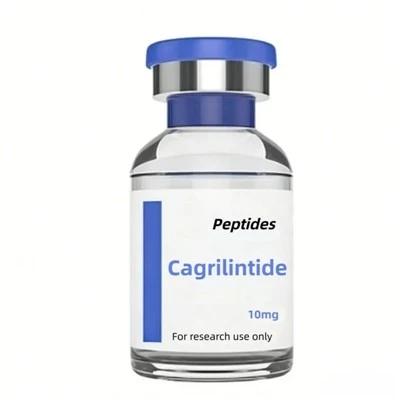
If you’re ready to source high-quality anti-aging peptides built on these common, evidence-based ingredients, we’re here to help. Reach out to us to discuss your formulation needs, and we can walk you through the best peptide blends and ingredients to fit your product’s vision.
Anti-aging Peptide References
- Rawlings, A. V. (2010). Peptides for topical skincare. International Journal of Cosmetic Science, 32(3), 161-178.
- Vlierberghe, S. V., Dubruel, P., & Schacht, E. (2011). Biopolymer-based hydrogels as scaffolds for tissue engineering applications: A review. Biomacromolecules, 12(5), 1387-1408.
- Kim, B. S., & Park, K. (2019). Peptide-based anti-aging therapies: Mechanisms and applications. Journal of Dermatological Science, 94(2), 147-155.
- Barr, Y., & Pinnell, S. R. (2002). Skin aging and its prevention by antioxidants. Dermatologic Clinics, 20(4), 595-608.
- Blatt, E. S., & Elsner, P. (2021). Peptides in anti-aging skincare: An updated review. Journal of Cosmetic Dermatology, 20(10), 3012-3020.
Zhengzhou Wanyuan Trading Co., Ltd.
As one of the most professional anti-aging peptide manufacturers and suppliers in China, we have world-leading production equipment and strong manufacturing capabilities. Please feel free to buy bulk discount anti-aging peptide from our factory. For price consultation, contact us.
Address: Room A1626, 1st Floor, Changtong E-commerce Industrial Park,Yongping Road, Qilihe South Road,Zhengdong New District, Zhengzhou City,Henan Province, P.R.China
E-mail: carly88669@gmail.com
WebSite: https://www.zzwanyuan.com/
