Can a bottle printer print on glass bottles? Bottle Printer
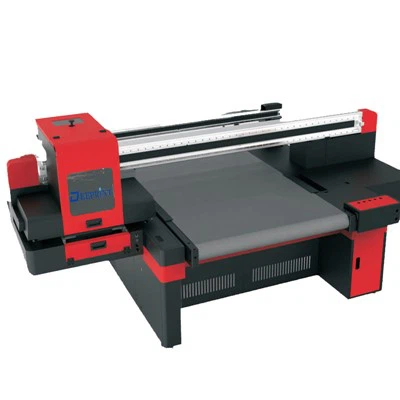
As a supplier of bottle printers, I often get asked this question. The short answer is yes, a bottle printer can print on glass bottles. However, there are several factors to consider to ensure high – quality and successful printing.
Understanding the Printing Technology
There are different types of bottle printers, each with its own mechanism and suitability for glass bottles.
Inkjet Printing
Inkjet printing is a popular choice for printing on glass bottles. It works by propelling tiny droplets of ink onto the surface of the bottle. This technology offers high – resolution printing and can create detailed designs, including text, logos, and images.
One of the advantages of inkjet printing on glass is its flexibility. It can print on various shapes and sizes of glass bottles without the need for complex setup. The inks used in inkjet printing for glass are specially formulated to adhere to the smooth surface. They are often UV – curable, which means that after the ink is applied, it is exposed to ultraviolet light, causing it to dry and harden quickly. This results in a durable print that can withstand handling, storage, and even some exposure to moisture.
However, inkjet printing also has some limitations. The printing speed may be slower compared to other methods, especially when printing large volumes. Additionally, the cost of ink can be relatively high, and the quality of the print may be affected by the surface condition of the glass. If the glass has any contaminants or irregularities, it can cause the ink to spread unevenly or not adhere properly.
Screen Printing
Screen printing is another traditional method for printing on glass bottles. In screen printing, a mesh screen is used, and ink is forced through the open areas of the screen onto the bottle surface. This method is known for its ability to produce bold, opaque prints with a high level of color saturation.
Screen printing is well – suited for printing simple designs, such as solid colors or large – scale logos. It can also be used to print on curved surfaces, as long as the screen can be properly aligned. The inks used in screen printing for glass are typically thicker and more viscous than those used in inkjet printing, which helps them adhere to the glass surface.
One of the main advantages of screen printing is its durability. The prints are often very resistant to scratching and fading. However, screen printing requires a more complex setup. Each color in the design needs a separate screen, which can be time – consuming and costly, especially for multi – color prints. It is also less flexible than inkjet printing in terms of design changes, as creating a new screen for a different design can be expensive.
Laser Printing
Laser printing on glass bottles is a relatively new technology. It uses a laser to etch or mark the surface of the glass. This method creates a permanent and high – contrast mark on the glass.
Laser printing is ideal for applications where a long – lasting and precise mark is required, such as serial numbers, barcodes, or product information. The marks are resistant to wear, chemicals, and temperature changes.
The main drawback of laser printing is that it can only create monochromatic marks. It is not suitable for printing full – color designs. Also, the initial investment in laser printing equipment can be quite high, and the process may be slower compared to other printing methods.
Pre – treatment of Glass Bottles
Before printing on glass bottles, proper pre – treatment is essential to ensure good ink adhesion.
The glass surface may have a thin layer of oil, dust, or other contaminants that can prevent the ink from sticking. Cleaning the bottles is the first step. This can be done using a variety of methods, such as ultrasonic cleaning, which uses high – frequency sound waves to remove dirt and debris from the glass surface.
In addition to cleaning, some printers may require the glass to be treated with a primer. A primer is a special coating that helps the ink bond better to the glass. It creates a rough surface on the glass, which provides more surface area for the ink to adhere to. The type of primer used depends on the printing technology and the type of ink.
Design Considerations
When designing a print for a glass bottle, there are several factors to keep in mind.
The shape of the bottle can affect the printing process. Curved bottles may require special printing techniques or equipment to ensure that the design is printed evenly. For example, in screen printing, the screen needs to be shaped to fit the curvature of the bottle.
The size of the design also matters. Larger designs may require more ink and may take longer to print. It is important to consider the available printing area on the bottle and ensure that the design fits within it.
Color selection is another important aspect. Different inks may have different color properties on glass. Some inks may appear more vibrant or opaque than others. It is also important to consider how the colors will look together on the glass surface.
Quality Control
Quality control is crucial when printing on glass bottles. After printing, the bottles should be inspected for any defects, such as smudging, uneven ink distribution, or poor adhesion.
One way to ensure quality is to perform test prints before starting a large – scale production run. This allows for any adjustments to be made to the printing parameters, such as ink flow, printing speed, or curing time.
In addition, regular maintenance of the printing equipment is essential. This includes cleaning the print heads, replacing worn – out parts, and calibrating the machine to ensure accurate printing.
Conclusion
In conclusion, a bottle printer can definitely print on glass bottles, but it requires careful consideration of the printing technology, pre – treatment of the bottles, design, and quality control. Whether you choose inkjet, screen, or laser printing, each method has its own advantages and limitations.
As a bottle printer supplier, I am committed to providing you with the best solutions for printing on glass bottles. Our printers are designed to be reliable, efficient, and easy to use. We also offer technical support and training to ensure that you can achieve the best results.
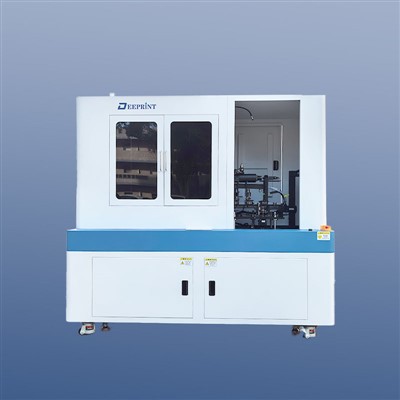
If you are interested in purchasing a bottle printer for your glass bottle printing needs, I encourage you to contact us for a detailed discussion. We can help you choose the right printer based on your specific requirements, such as the volume of production, the type of designs you want to print, and your budget. Let’s work together to bring your glass bottle printing projects to life.
Cylinder Printing Machine References:
- "Printing on Glass: Technologies and Applications" – A technical report on glass printing methods.
- "Inkjet Printing for Packaging Applications" – A research paper on the use of inkjet technology in packaging, including glass bottles.
- "Screen Printing Handbook" – A comprehensive guide to screen printing techniques and materials.
Shenzhen Deeprint Technology Co., Ltd.
As one of the most professional bottle printer manufacturers and suppliers in China, we’re featured by quality products and good service. Please rest assured to buy customized bottle printer made in China here from our factory. Contact us for free sample.
Address: 6-1, Huangwu Road, Tongle Community, Baolong Street, Longgang District, Shenzhen City 518100,China.
E-mail: ellen@uvdprint.com
WebSite: https://www.uvd-print.com/
