Do cup holders need to be lubricated? This is a question I often get asked as a supplier of cup holders. For those who are new to my business, I’ve been in the cup – holder game for a while, and I’ve seen all kinds of cup – holder scenarios. So, let’s dive right into this topic. Cup Holders
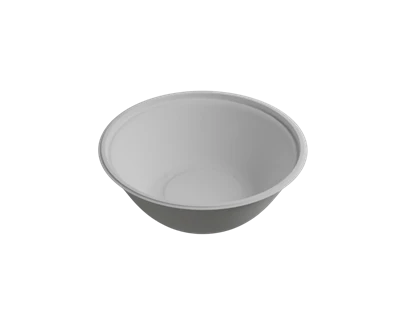
First off, let’s understand what cup holders are and what they do. Cup holders are simple yet essential accessories in many settings, from cars to office desks, restaurants, and even home furniture. Their main job is to hold cups, mugs, or cans securely in place. They come in different shapes, sizes, and materials. Some are made of plastic, others of rubber or a combination of materials.
Now, the idea of lubricating cup holders might seem a bit odd at first. After all, they’re not like a machine with moving parts that need to slide smoothly, right? Well, it’s not that straightforward. There are actually some good reasons why lubricating cup holders can be beneficial.
One of the main reasons is related to the wear and tear of the cup holder. Over time, as cups are inserted and removed, there’s friction between the cup and the cup – holder surface. This friction can cause the material of the cup holder to degrade. If it’s a plastic cup holder, it might start to get scratched, and these scratches can make it harder to insert or remove cups. Lubricating the surface of the cup holder can reduce this friction, which in turn can extend the lifespan of the cup holder.
Another reason is about user experience. A well – lubricated cup holder makes it easier to insert and remove cups. You don’t have to force the cup in or out, which can be especially annoying when your hands are full or you’re in a hurry. Think about it in a car situation. You’re driving, trying to grab your coffee cup from the holder, and it’s stuck because the cup holder has become a bit tight due to normal use. This can be not only frustrating but also a bit dangerous if it distracts you from the road. Using a lubricant can make this process much smoother.
But not all lubricants are created equal. When it comes to choosing a lubricant for cup holders, there are a few things to consider. First of all, the lubricant should be safe. Since cup holders come in contact with cups that hold beverages, we don’t want any harmful chemicals to end up in our drinks. A food – grade lubricant is a great option. It’s non – toxic and won’t pose any health risks if a small amount accidentally gets on the cup.
Silicone – based lubricants are also a popular choice. They’re long – lasting, and they don’t attract dust and dirt as much as some other types of lubricants. They can provide a smooth surface for the cups to slide in and out, and they’re generally resistant to heat and moisture.
Another thing to keep in mind is the application method. You don’t want to over – lubricate the cup holder. Too much lubricant can make it messy, and it might even cause the cups to slide around too much, which defeats the purpose of having a cup holder. A little goes a long way. You can apply the lubricant with a small brush or a cotton swab, making sure to cover all the surfaces of the cup holder evenly.
Now, I know some of you might be thinking, "Do I really need to go through all this trouble? Can’t I just use the cup holder as it is?" Well, that’s up to you. If you’re okay with a cup holder that gets a bit rough over time and might be a bit difficult to use, then you can skip the lubrication. However, if you want to ensure that your cup holder lasts as long as possible and provides the best user experience, then lubricating it is definitely worth considering.
Let’s talk about the frequency of lubrication. This depends on how often the cup holder is used. If it’s a cup holder in a high – traffic area, like a restaurant or a car that’s driven every day, you might want to lubricate it every few months. For a cup holder at home that’s used less frequently, once or twice a year might be enough.
I’ve heard some concerns from customers about whether lubrication can damage the cup holder. In general, if you use the right lubricant and apply it correctly, there shouldn’t be any damage. However, if you use a harsh or incompatible lubricant, it could potentially damage the material of the cup holder. For example, some solvents – based lubricants can dissolve certain types of plastics. So, it’s really important to do your research and choose the right product.
As a cup – holder supplier, I always want my customers to get the most out of their purchases. That’s why I’m sharing this information about lubrication. It’s just one more way to take care of the cup holders and make them work better for you.
If you’re in the market for cup holders, whether it’s for your business or personal use, I’m here to help. I offer a wide variety of cup holders in different styles and materials to meet your specific needs. Whether you need small, portable cup holders for a camping trip or large, heavy – duty ones for a commercial establishment, I’ve got you covered.
I believe in providing high – quality products at reasonable prices. And if you have any questions about cup – holder maintenance, including lubrication, I’m more than happy to answer them. I’ve built my business on trust and customer satisfaction, and I want to make sure that every customer who buys from me is happy with their purchase.
Compartment Trays So, if you’re interested in learning more about our cup – holder products or have any questions related to cup – holder lubrication, feel free to reach out. Starting a conversation with me could be the first step to getting the perfect cup holders for your needs. Let’s talk about how I can help you find the best cup – holder solution.
References
- Johnson, M. (2018). "Home Accessories Maintenance Guide". Homecare Publications.
- Smith, R. (2020). "Automotive Interior Upkeep". Auto World Magazines.
Bio Earth Technology Co., Ltd.
As one of the most professional cup holders manufacturers and suppliers, we also support customized service. Please feel free to buy bulk high quality cup holders for sale here from our factory. For quotation and free sample, contact us now.
Address: No. 8-3, Baixi, 2nd Neighborhood, Tongxiao Township, Miaoli County 357001, Taiwan (R.O.C.)
E-mail: Services@bioearthtech.com
WebSite: https://www.bioearthtech.com/
