Hey there! I’m a supplier of Material Antimicrobial Agents, and today I wanna chat about what the shelf – life of these agents is. Material Antimicrobial Agents
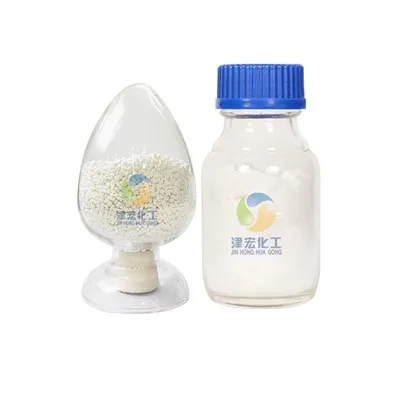
First off, let’s get clear on what Material Antimicrobial Agents are. These are substances that you can add to different materials like plastics, textiles, and coatings to stop the growth of harmful microbes such as bacteria, fungi, and viruses. They’re super useful in a bunch of industries, from healthcare to food packaging.
Now, the shelf – life of Material Antimicrobial Agents can vary a whole lot. It depends on several factors, and I’m gonna break them down for you.
1. Chemical Composition
The type of chemicals in the antimicrobial agent is a major factor. Some agents are made from very stable chemicals. For example, silver – based antimicrobial agents are known for their relatively long shelf – lives. Silver has inherent antimicrobial properties, and when it’s formulated into an agent, it can last for years if stored properly. The silver ions don’t break down easily under normal conditions, so they keep their effectiveness for a long time.
On the other hand, there are agents made from more reactive chemicals. Some organic antimicrobial agents, like those with certain types of esters or aldehydes, can be more prone to degradation. These chemicals might react with oxygen in the air, moisture, or even other substances in the environment. So, their shelf – life could be much shorter, maybe just a few months to a year.
2. Storage Conditions
How you store the Material Antimicrobial Agents can make or break their shelf – life. Temperature is a biggie. Most agents are best stored at room temperature, around 20 – 25 degrees Celsius (68 – 77 degrees Fahrenheit). If it gets too hot, the chemicals can break down faster. For instance, if you leave a bottle of antimicrobial agent in a hot warehouse where the temperature soars above 30 degrees Celsius (86 degrees Fahrenheit), the active ingredients might start to degrade, reducing its effectiveness.
Humidity also plays a role. High humidity can cause some agents to clump or react with water molecules. For example, powder – based antimicrobial agents can absorb moisture from the air, which can lead to chemical changes and a shorter shelf – life. So, it’s a good idea to store them in a dry place, maybe with a desiccant in the storage container.
Exposure to light can also be a problem for some agents. Ultraviolet (UV) light, in particular, can break down certain chemicals. If you have an agent that’s sensitive to light, it should be stored in an opaque container or in a dark room.
3. Packaging
The packaging of the Material Antimicrobial Agents matters a great deal. A good packaging should protect the agent from the external environment. For liquid agents, airtight containers are essential. This prevents oxygen from getting in and reacting with the chemicals. Some containers are also made with materials that block out light, which is great for light – sensitive agents.
For powder agents, sealed bags or containers are a must. They should be made of materials that are resistant to moisture. Some high – quality packaging even has a double – layer design to provide extra protection.
Typical Shelf – Lives of Different Types of Antimicrobial Agents
Silver – based Agents
As I mentioned earlier, silver – based antimicrobial agents usually have a long shelf – life. Under proper storage conditions (room temperature, dry, and away from light), they can last anywhere from 2 to 5 years. This is why they’re so popular in many industries. You can stock up on them without having to worry too much about them going bad quickly.
Organic Agents
Organic antimicrobial agents have a more variable shelf – life. Some might last only 6 months to a year, especially if they’re made from highly reactive chemicals. Others, with more stable organic compounds, could last up to 2 years. But it’s always a good idea to check the expiration date and use them within a reasonable time.
Copper – based Agents
Copper – based antimicrobial agents are another option. They’re often quite stable and can have a shelf – life of around 1 to 3 years. Copper has antimicrobial properties, and when it’s in an agent form, it can maintain its effectiveness for a decent amount of time if stored correctly.
Why Shelf – Life Matters
You might be wondering, why does the shelf – life of Material Antimicrobial Agents even matter? Well, for starters, if you use an agent that’s past its shelf – life, it might not work as well. You won’t get the level of protection against microbes that you need. This can be a huge problem, especially in industries like healthcare and food.
In healthcare, for example, using an expired antimicrobial agent on medical devices or in hospital environments could lead to the growth of bacteria and the spread of infections. In the food industry, if the antimicrobial agent in food packaging has expired, it won’t be able to prevent the growth of spoilage organisms, which can lead to food waste and potential health risks for consumers.
Also, from a business perspective, having agents with a long shelf – life means less waste. You don’t have to throw away expired products, which saves you money. And it gives you more flexibility in terms of inventory management. You can order in larger quantities without worrying about them going bad before you use them.
How We Ensure Quality and Shelf – Life
As a supplier of Material Antimicrobial Agents, we take a lot of steps to ensure that our products have a good shelf – life. First of all, we carefully select the chemicals we use. We work with high – quality raw materials that are known for their stability.
We also pay close attention to the manufacturing process. We make sure that the agents are formulated correctly to maximize their stability. During production, we control factors like temperature, pressure, and reaction time to ensure that the final product is of the best quality.
When it comes to packaging, we use top – notch materials. Our containers are airtight and, if needed, light – blocking. We also label our products clearly with the expiration date and storage instructions.
And we conduct regular quality checks. We test our agents at different stages of production and storage to make sure they’re still effective. This way, we can guarantee that when our customers buy our products, they’re getting something that will work as expected for the duration of its shelf – life.
If you’re in the market for high – quality Material Antimicrobial Agents, we’ve got you covered. Whether you’re in the healthcare, food, or any other industry that needs protection against microbes, our products can meet your needs. We offer a wide range of agents with different chemical compositions, so you can choose the one that’s right for your specific application.
Guanidine Biocides Don’t hesitate to reach out to us if you have any questions or if you’re interested in placing an order. We’re always happy to have a chat and discuss how our antimicrobial agents can benefit your business. Let’s work together to keep your materials and products safe from harmful microbes!
References
- "Antimicrobial Agents: Chemistry, Mode of Action, Mechanisms of Resistance, and Clinical Applications" by Ronald N. Jones and John H. Jorgensen
- "Handbook of Antimicrobial Coatings" by Anil K. Bhusari and Anil K. Ghosh
Hebei Jinhong Chemical Co., Ltd.
Hebei Jinhong Chemical Co., Ltd. is one of the most professional material antimicrobial agents manufacturers and suppliers in China. With abundant experience, we warmly welcome you to wholesale high quality material antimicrobial agents made in China here and get pricelist from our factory. For price consultation, contact us.
Address: North of Fazhan Road, East of Qingyuan Road, Nanbao Development Zone, Tangshan City, Hebei Province
E-mail: kevin@hbjhchemical.com
WebSite: https://www.hbjhchemical.com/
