What are the high – temperature resistance properties of FRP Environmental Equipment?
As a supplier of FRP (Fiber – Reinforced Plastic) environmental equipment, I’ve witnessed firsthand the growing demand for materials that can withstand harsh environmental conditions, especially high temperatures. In this blog post, I’ll delve into the high – temperature resistance properties of FRP environmental equipment, exploring why it’s an excellent choice for various applications. FRP Environmental Equipment
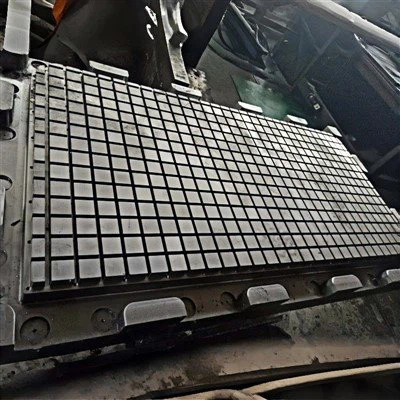
Understanding FRP and Its Composition
Before diving into the high – temperature resistance, it’s essential to understand what FRP is. FRP is a composite material made up of a polymer matrix reinforced with fibers. The most common fibers used are glass fibers, which provide high strength, while the polymer matrix, typically epoxy, polyester, or vinyl ester, binds the fibers together and transfers loads between them.
The combination of these materials gives FRP its unique properties. The fibers contribute to the mechanical strength, while the polymer matrix provides chemical resistance and helps in maintaining the shape of the structure. When it comes to high – temperature resistance, both the type of fibers and the polymer matrix play crucial roles.
The High – Temperature Resistance Mechanisms of FRP
Fiber Contribution
Glass fibers, which are widely used in FRP, have inherently good high – temperature resistance. They can withstand relatively high temperatures without significant loss of strength. For example, E – glass fibers, one of the most commonly used types in FRP, can maintain their structural integrity at temperatures up to around 550°C (1022°F). This is because the glass structure is stable at elevated temperatures, and the strong atomic bonds within the glass network prevent it from deforming easily.
When the temperature rises, the glass fibers act as a reinforcement backbone in the FRP. They help to distribute the thermal stress evenly across the material, reducing the likelihood of localized overheating and damage. Even as the polymer matrix around the fibers starts to change its properties at high temperatures, the fibers continue to provide some level of structural support.
Polymer Matrix Role
The polymer matrix in FRP has a more complex relationship with high temperatures. Different types of polymers have different heat resistance capabilities. Polyester resins, which are often used in FRP environmental equipment due to their relatively low cost, can typically withstand temperatures up to around 80 – 100°C (176 – 212°F). At these temperatures, the polyester resin starts to soften, which can lead to a reduction in the overall stiffness and strength of the FRP.
Epoxy resins, on the other hand, offer better high – temperature resistance. They can withstand temperatures up to around 150 – 200°C (302 – 392°F) before significant degradation occurs. Epoxy resins have a more cross – linked molecular structure compared to polyester resins, which gives them better thermal stability. The cross – links prevent the polymer chains from moving freely at elevated temperatures, maintaining the mechanical properties of the matrix to a greater extent.
Vinyl ester resins are another option with high – temperature resistance properties. They combine some of the advantages of epoxy and polyester resins. Vinyl ester resins can typically withstand temperatures in the range of 100 – 150°C (212 – 302°F) and offer good chemical resistance as well.
Applications of FRP Environmental Equipment Based on High – Temperature Resistance
Industrial Waste Gas Treatment
In industrial settings, waste gases are often produced at high temperatures. FRP environmental equipment such as scrubbers and ducts are used to treat these gases and remove pollutants. The high – temperature resistance of FRP allows these equipment to operate effectively even when exposed to hot gas streams. For example, in a chemical plant where the waste gas may reach temperatures of up to 100°C (212°F), FRP scrubbers can be used to remove harmful chemicals from the gas without being damaged by the heat.
Incineration Plants
Incineration plants generate a large amount of heat during the waste – burning process. FRP can be used in the construction of exhaust systems and some parts of the incinerator chambers. Although the core of the incinerator may operate at extremely high temperatures where FRP is not suitable, the exhaust ducts and some secondary treatment components can benefit from the high – temperature resistance of FRP. In these applications, the ability of FRP to withstand temperatures in the range of 100 – 150°C (212 – 302°F) is crucial for long – term operation.
Solar Energy Utilization
In some solar energy systems, especially those that use concentrated solar power, high temperatures are generated. FRP can be used in the construction of some supporting structures and enclosures. The high – temperature resistance properties ensure that the equipment can maintain its shape and functionality even when exposed to the heat from the solar collectors.
Advantages of FRP in High – Temperature Applications Compared to Other Materials
Corrosion Resistance
FRP has excellent corrosion resistance, which is a significant advantage in high – temperature applications where many metals would corrode rapidly. In industrial settings where hot gases may contain corrosive substances such as sulfur dioxide or hydrochloric acid, metals like steel would rust and deteriorate quickly. FRP, on the other hand, can resist the effects of these corrosive agents, even at elevated temperatures, ensuring a longer service life of the equipment.
Lightweight
FRP is much lighter than traditional metals such as steel or cast iron. This lightweight property is beneficial in high – temperature applications where the weight of the equipment can be a limiting factor. For example, in the construction of large – scale exhaust ducts in industrial plants, the use of FRP can reduce the overall weight of the structure, making it easier to install and reducing the load on the supporting structures.
Design Flexibility
FRP can be easily molded into various shapes, offering greater design flexibility compared to some metals. This allows for the creation of customized environmental equipment to meet the specific needs of different high – temperature applications. Whether it’s a complex – shaped scrubber or a customized duct system, FRP can be fabricated to the required specifications.
Limitations and Considerations
Although FRP has good high – temperature resistance properties, it also has some limitations. At extremely high temperatures, typically above 200 – 250°C (392 – 482°F) depending on the type of resin, the polymer matrix in FRP will start to decompose. This decomposition can lead to a significant loss of mechanical strength and structural integrity.
When designing FRP environmental equipment for high – temperature applications, it’s important to consider the maximum operating temperature and the duration of exposure to high temperatures. Additionally, proper insulation may be required in some cases to protect the FRP from excessive heat.
Conclusion

As a supplier of FRP environmental equipment, I’m confident in the high – temperature resistance properties of our products. The combination of the heat – resistant glass fibers and the carefully selected polymer matrix makes FRP a reliable choice for a wide range of high – temperature applications in the environmental protection field. Whether it’s industrial waste gas treatment, incineration plants, or solar energy utilization, FRP environmental equipment can effectively withstand the heat and perform its functions.
FRP Tanks If you’re in need of high – quality FRP environmental equipment for your high – temperature applications, I encourage you to reach out to us. Our team of experts is ready to work with you to understand your specific requirements and provide you with the best – suited solutions. We look forward to discussing your project and doing business with you.
References
- Mallick, P. K. (2007). Fiber – Reinforced Composites: Materials, Manufacturing, and Design (3rd ed.). CRC Press.
- Gibson, R. F. (2012). Principles of Composite Material Mechanics (3rd ed.). CRC Press.
- Hull, D., & Clyne, T. W. (1996). An Introduction to Composite Materials (2nd ed.). Cambridge University Press.
Hebei Weihan Environmental Protection Equipment Co., Ltd.
We’re well-known as one of the leading FRP environmental equipment manufacturers and suppliers in China, featured by quality products and good service. Please rest assured to buy customized FRP environmental equipment at competitive price from our factory. Contact us for more details.
Address: No. 666 Chuangye Road, Zaoqiang County, Hengshui City, Hebei Province
E-mail: weihanmachine@gmail.com
WebSite: https://www.whanfrp.com/
