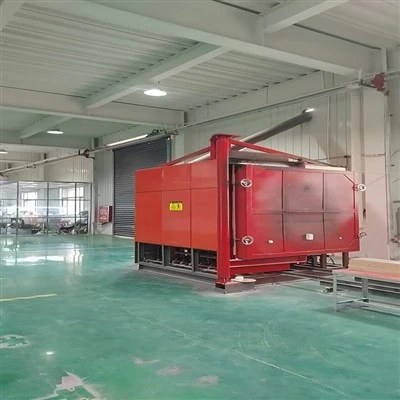
As a supplier of brick tunnel kilns, I’ve delved extensively into the intricacies of these industrial wonders. It’s not just about selling a product; it’s about understanding its far – reaching implications. In this blog, I aim to explore the environmental impacts – both positive and negative – associated with brick tunnel kilns. Brick Tunnel Kiln
Positive Environmental Impacts
Recycling and Reuse
One of the remarkable aspects of brick tunnel kilns is their ability to incorporate recycled materials. Bricks can be made using industrial waste such as fly ash, bottom ash, and slag. These waste products are often by – products of power plants and steel mills. By using them in brick manufacturing, we’re effectively diverting large volumes of waste from landfills. For instance, fly ash, which is a fine powder residue from burning pulverized coal, can replace a significant portion of the clay used in brick production. This reduces the demand for virgin clay, a non – renewable resource, and at the same time, provides an environmentally friendly solution for waste management.
Energy Efficiency
Modern brick tunnel kilns are designed with advanced technology to maximize energy efficiency. They use a continuous firing process, which means that the heat from the fired bricks is used to pre – heat the incoming bricks. This heat recovery system significantly reduces the overall energy consumption of the kiln. Compared to traditional intermittent kilns, tunnel kilns can save up to 30 – 50% of energy. Additionally, the use of high – quality insulation materials in the kiln structure minimizes heat loss, further contributing to energy conservation. This reduction in energy consumption not only lowers the operational costs for brick manufacturers but also decreases the carbon footprint associated with brick production.
Durable and Long – lasting Products
Bricks produced in tunnel kilns are known for their durability and longevity. They can last for hundreds of years, which means that buildings constructed with these bricks don’t need to be replaced as frequently as those made with other materials. This long lifespan reduces the demand for new construction materials, thereby conserving natural resources in the long run. For example, a brick – built house can withstand a variety of weather conditions, including extreme temperatures and heavy rainfall, without significant deterioration. This durability also means less waste generated from demolition and reconstruction activities.
Negative Environmental Impacts
Air Pollution
One of the most significant environmental concerns associated with brick tunnel kilns is air pollution. The burning of fossil fuels, such as coal or natural gas, to heat the kiln releases a variety of pollutants into the atmosphere. These include particulate matter (PM), sulfur dioxide (SO₂), nitrogen oxides (NOₓ), and carbon monoxide (CO). PM can cause respiratory problems, especially for people with pre – existing conditions like asthma and bronchitis. SO₂ can lead to the formation of acid rain, which can damage forests, lakes, and buildings. NOₓ contribute to the formation of ground – level ozone, a harmful pollutant that can also cause respiratory diseases. In addition, CO is a poisonous gas that can be fatal in high concentrations.
Moreover, the drying process in the kiln can also release dust and other pollutants. If proper dust control measures are not in place, these pollutants can spread over a large area, affecting the air quality of the surrounding environment.
Water Pollution
Brick manufacturing involves several water – intensive processes, such as clay preparation and brick cooling. The water used in these processes can become contaminated with various chemicals and heavy metals, such as lead, mercury, and cadmium. If this wastewater is discharged into water bodies without proper treatment, it can cause serious water pollution. These pollutants can harm aquatic life and contaminate drinking water sources. Additionally, the disposal of solid waste from the brick manufacturing process, such as kiln dust and rejected bricks, can also leach harmful substances into the soil and groundwater if not managed properly.
Land Degradation
The extraction of raw materials, mainly clay, for brick production can lead to significant land degradation. Large areas of land are often excavated to obtain the necessary clay, which can destroy natural habitats, disrupt ecosystems, and cause soil erosion. The removal of vegetation cover during the excavation process also reduces the land’s ability to absorb and retain water, increasing the risk of flooding and landslides. Moreover, the abandoned clay pits can become breeding grounds for mosquitoes and other pests, posing health risks to the local population.
Mitigation Strategies
Air Pollution Control
To reduce air pollution, modern brick tunnel kilns are equipped with advanced air pollution control devices. These include electrostatic precipitators, bag filters, and scrubbers. Electrostatic precipitators use an electrostatic charge to remove particulate matter from the flue gas. Bag filters trap the dust particles in fabric bags, while scrubbers use a liquid to remove pollutants such as SO₂. Additionally, the use of cleaner fuels, such as natural gas or biomass, can also significantly reduce the emissions of pollutants from the kiln.
Water Management
Proper water management is crucial to prevent water pollution. Brick manufacturers can implement water recycling systems to reuse the water used in the manufacturing process. This not only reduces the demand for fresh water but also minimizes the amount of wastewater generated. Additionally, wastewater treatment plants can be installed to remove pollutants from the wastewater before it is discharged. The solid waste from the brick manufacturing process can also be recycled or properly disposed of in landfills designed to prevent leaching.
Sustainable Raw Material Sourcing
To mitigate land degradation, brick manufacturers can adopt sustainable raw material sourcing practices. This includes using alternative raw materials, such as recycled aggregates or industrial waste, instead of virgin clay. Additionally, manufacturers can implement reclamation and restoration programs for the land used for clay extraction. After the extraction is completed, the land can be restored to its natural state or used for other productive purposes, such as agriculture or forestry.
Conclusion
As a supplier of brick tunnel kilns, I’m well – aware of both the positive and negative environmental impacts associated with these kilns. While they offer significant advantages in terms of waste recycling, energy efficiency, and product durability, they also pose challenges in the form of air pollution, water pollution, and land degradation. However, with the implementation of appropriate mitigation strategies, these negative impacts can be minimized.
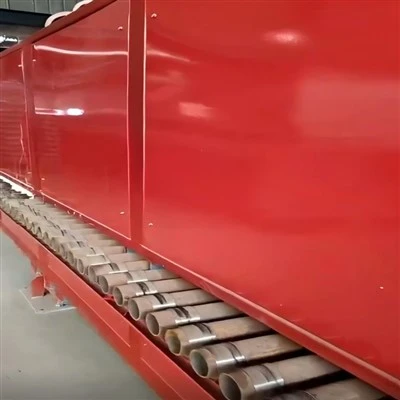
Tunnel Kiln We are committed to providing our customers with the most advanced and environmentally friendly brick tunnel kilns on the market. Our kilns are designed to incorporate the latest technologies for pollution control and energy efficiency. If you’re interested in learning more about our products, or if you have any questions regarding the environmental impacts of brick tunnel kilns, I encourage you to contact us. We’re more than happy to engage in a detailed discussion and assist you in making an informed decision for your brick manufacturing business.
References
- "Brick Manufacturing: Environmental Impacts and Solutions" – A research paper published in the Journal of Environmental Science and Technology.
- "Energy Efficiency in Tunnel Kiln Technology" – Presented at the International Conference on Sustainable Building Materials.
- "Sustainable Raw Material Sourcing for the Brick Industry" – Report by the World Brick Association.
Henan Yaxin Kiln Co., Ltd.
Henan Yaxin Kiln Co., Ltd. is one of the most professional brick tunnel kiln manufacturers and suppliers in China. With abundant experience, we warmly welcome you to buy high quality brick tunnel kiln with the latest design from our factory. Good service and punctual delivery are available.
Address: Jixian Industrial Zone, Shangqiu City, Henan Province
E-mail: 1543563178@qq.com
WebSite: https://www.hnyxkiln.com/
