Hey everyone, it’s Jake here, lead product guy at your go-to monitoring tower provider – yeah, the one you’ve seen popping up in remote construction sites, national park fire zones, and even that big wind farm project out west. Today, I’m pulling back the curtain on something I don’t talk about much: the hard limits of the monitoring towers we sell. Full transparency, right? I get it – everyone’s always hyping how these towers can save your crew hours, catch hazards before they blow up, and cut insurance costs. But let’s be real – they’re not magic. I’ve been in this game 7 years, worked with every kind of client from tiny forest service teams to giant oil and gas operators, and I’ve seen first-hand where these towers fall short. If you’re thinking about dropping cash on one, don’t just listen to the sales pitch – hear the unfiltered stuff. Monitoring Tower
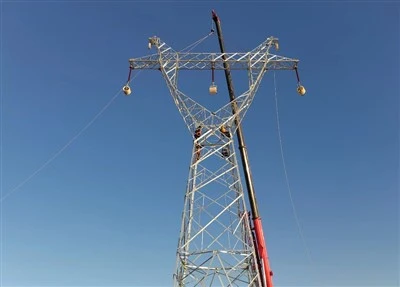
First up, power dependency, and it’s way bigger than just “they need electricity.” Most of our towers run on lithium-ion batteries paired with solar panels, which works great in areas that get 6+ hours of consistent sun a day. But if you’re in that super remote, perpetually cloudy region – like the Pacific Northwest’s Olympic Peninsula, or parts of the Alaskan interior where winter brings 3 hours of weak light? Those solar panels just don’t crank enough juice. Last year, a forest service client in northern California called us panicking because their tower died for 10 days straight during a historic storm that knocked out their cell service too. The backup battery, which we rated for 7 days, conked out 2 days early because the cameras and sensors use way more power in cold temps (batteries drain way faster below freezing – who knew that was such a big hidden issue?). We fixed it for them, but it made me realize: no one tells you that “off-grid” doesn’t mean “zero power worries” unless you oversize the panel array, and that extra cost isn’t trivial. Also, if you’re in a place with frequent rolling blackouts – like parts of Texas during summer heatwaves – even towers hooked to grid power need a robust UPS system, and skimp on that UPS, and you’re back to square one. I’ve seen clients go cheap on the power setup, and their tower’s just a fancy pole with a dead camera half the time.
Next, connectivity gaps, and this is a huge one that catches so many new buyers off guard. We built our towers to work with cellular or satellite, right? Cellular is cheap, fast, but if you’re in a valley, or surrounded by thick old-growth trees, the cell signal drops like a rock. Last quarter, a construction client building a mountain highway installed our tower at the peak, but the cell tower they relied on was 12 miles away, blocked by three ridges. The feed kept cutting out – they’d get 5 minutes of footage, then 20 minutes of nothing, which was useless for monitoring their heavy equipment overnight. Satellite’s the fix for that, but it’s not cheap. We use Starlink for most satellite setups now, but even Starlink has issues in heavy rain, ice, or dense cloud cover. One of our wind farm clients in Wyoming tested it during a blizzard last month – their satellite feed dropped for 8 hours straight because the snow coated the dish. And here’s the thing: you can’t just slap a satellite dish on any tower. The tower itself can cause signal interference if the dish isn’t positioned correctly, or if the tower’s made of certain metal alloys. We’ve had to re-calibrate more than a few installations because the tower’s steel frame was blocking the signal. No one warns you about that until you’re mid-install and the tech’s staring at a laptop saying “uh, this isn’t working.”
Then there’s weather resilience – these towers are built tough, but mother nature is tougher. We rate our standard towers for 100 mph winds, but that’s only if they’re anchored right. If the ground’s soft – like a wet marsh, or loose sand – even a 80 mph gust can knock them sideways. A coastal client in Florida found that out last year when a pre-tropical storm wind pushed their tower 15 degrees off plumb, which messed up the camera’s tilt range and made the motion sensors useless. We had to send a crew out to re-anchor it with helical piles instead of the standard ground screws, which added $3k to the install bill – the client didn’t plan for that. Also, extreme temperatures: our cameras work between -20°F and 120°F, but if you’re in the Arizona desert in July, the inside of the camera housing can hit 150°F, which causes sensors to glitch. We’ve had clients in Phoenix report their heat sensors would give false high readings when the camera overheated. And don’t even get me started on wildlife. Deer rub their antlers on tower guy lines, bears climb base poles (we had one in Colorado that chewed through a sensor cable), and birds build nests in the solar panels – that blocks sun, cuts power, and makes the whole thing go down. We added a few wildlife deterrents to our setup after that, but they’re an extra cost, and they don’t work 100% of the time.
Another big limitation: narrow field of view (FOV) and blind spots. Everyone wants to mount the highest possible camera to see as far as possible, but when you do that, the horizontal FOV gets smaller, and objects close to the base of the tower disappear. Think about it: if you have a camera 50 feet up, looking 1 mile out, that 100 feet right at the tower’s legs? You can’t see squat. That’s a problem for construction sites where someone might leave tools near the tower, or for forest monitoring where a small fire could start right at the tower’s base and burn for hours before it’s spotted. We tried solving this by adding side cameras, but that doubles the power draw, increases connectivity needs, and adds more points of failure. Also, cameras have focal limits. A 4K camera can zoom in great, but if you’re trying to pick out a tiny human 2 miles away, it’s not going to tell you if they’re armed, or if that fire is just from a campfire or a wildfire. Thermal cameras fix that, but they’re way more expensive – like 5x the cost of a regular camera – and even thermal has limits. They struggle in heavy fog, rain, or snow because those particles block the heat signature. I had a park ranger client last spring say their thermal camera missed a small fire because it was shrouded in fog for 12 hours. No camera is perfect, and every setup has blind spots you can’t eliminate without adding more towers, which adds more cost.
Data overload is a real issue, too, and it’s one most clients don’t think about until they’re drowning in alerts. Our towers use AI to flag motion, heat, or unusual sounds – so if a squirrel runs past the camera, or a deer walks through the site at night, you get an alert. At first, clients love that, but after a week, they’re getting 200 alerts a day, and they can’t keep up. They start ignoring the real ones because they’re buried under all the noise. We built our system to let you customize alert zones – like only get alerts in the construction zone, not the entire surrounding forest – but even then, if your site is large, you still get way more alerts than you need. Also, storing all that footage isn’t free. We offer cloud storage, and it’s pretty cheap, but if you’re storing 24/7 footage for a site that’s active for months, that adds up. A 10-tower construction site might spend $500 a month on storage alone. And if you’re using on-site storage (a hard drive at the tower base), that drive can fail, get stolen, or destroyed in a storm – which means you lose all that footage. We’ve had one client in Detroit have their on-site drive stolen right out of the tower base, because they left the door unlocked. Oops.
Last, and maybe the most underrated limitation: regulatory and access headaches. If you’re installing a tower on public land – national parks, state forests, Bureau of Land Management (BLM) land – you need permits. A lot of people think, “it’s a tall pole, how hard can it be?” But I’ve seen permit processes take 6 months, even a year, just to install a single tower. The BLM has rules about how tall towers can be, where you can place them, how they affect wildlife. And if you’re near residential areas, you have to deal with HOA rules, noise complaints (wait, our towers make almost no noise, but some people think the blinking light is too bright at night), and even property line disputes. A developer in Oregon I worked with had to move their tower 200 feet because it was 10 feet over the property line, which put their entire install timeline 3 months behind and added $8k in extra costs. Also, if you need to service the tower, you need access. If your site is only accessible via a 4-wheel drive trail, and it rains, you can’t get a service truck out, so a broken sensor could sit unfixed for weeks. I’ve had a client in Montana go 3 weeks with a dead camera because the snow made the trail impassable.
Now, before you throw your hands up and say “these towers are garbage,” let’s be clear: they’re still the best tool out there for monitoring remote sites. But knowing these limitations upfront saves you so much headache and money later. The key is to plan for them, not ignore them. If you’re in a cloudy area, size your solar array bigger. If you’re in a valley, budget for satellite connectivity and get a dish that’s calibrated for tower interference. If you don’t want data overload, customize your alert zones before you even install the tower.
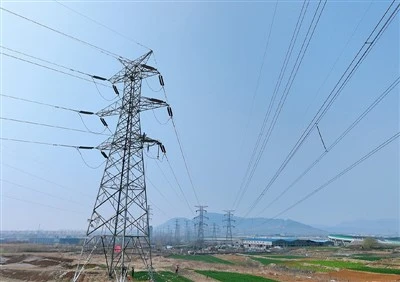
If you’re currently shopping around for a monitoring tower, or you have one already and you’re dealing with any of these issues – power drops, dead feeds, too many alerts – hit us up for a chat. We don’t just sell towers; we work with you to build a setup that fits your exact site, not a one-size-fits-all model. No pressure, no sales pitch that skips the hard parts, just real advice from people who’ve been in your shoes.
Communication Tower References:
- National Interagency Fire Center. (2022). Remote Monitoring Technology Limitations for Wildland Fire Situational Awareness.
- Occupational Safety and Health Administration (OSHA). (2021). Outdoor Worksite Monitoring Equipment Power Requirements and Resilience Standards.
- Federal Communications Commission (FCC). (2023). Satellite Signal Interference from Tall Structures in Rural and Remote Areas.
- American Society of Civil Engineers (ASCE). (2020). Wind Load Design Guidelines for Temporary Monitoring Towers in Variable Terrain.
- Journal of Environmental Management. (2022). Blind Spot Analysis of Remote Camera Monitoring Systems for Industrial and Natural Sites.
Hunan Zhubang Hongsheng Construction Technology Co., Ltd.
As one of the most professional monitoring tower manufacturers and suppliers in China, we’re featured by quality products and good price. Welcome to buy high-grade monitoring tower made in China here and get quotation from our factory. Customized orders are welcome.
Address: Lutang Village, Yong’an Town, Liuyang City, Changsha City, Hunan Province, Hunan Zhubang Hongsheng Construction Technology Co., Ltd.
E-mail: 19898838989@163.com
WebSite: https://www.chinaenerto.com/
