If you’re on the hunt for a solid dining table that doesn’t feel like it’ll chip, warp, or get wobbly after a few years of casual dinners (think late-night taco runs, holiday feasts, and kid art projects), you’ve probably scrolled enough endless Instagram ads and Amazon listings to feel overwhelmed. Trust me, I’ve been on both sides of this—for the last 8 years, I’ve run a small but steady dining table supply business, so I’ve seen every single mistake people make when shopping for one, and I’ve heard every question: Is a “solid wood” table actually solid? Why do some tables cost $200 and others $2,000? And for the love of all things not flimsy, where even can I buy one that’s actually good quality? Let’s break this down, no fancy jargon, no hidden fine print, just what I’ve learned from building hundreds of tables and talking to thousands of customers. Dining Tables

First, let’s cut through the most common garbage marketing buzzwords. If a listing says “solid wood” but doesn’t specify the type, that’s a red flag. MDF is pressed wood dust, veneer is a thin wood layer glued to particle board, and “pine” often means soft pine that dents if you set a coffee mug down too hard. The good stuff? Hardwoods like oak, walnut, maple, or mahogany—they’re dense, scratch-resistant, and get better with age (think: that cool patina on your favorite leather jacket, but for furniture). But wait, before you go spending your whole grocery budget on a solid oak table, let’s talk about where to actually buy the real deal, and which spots to skip.
Let’s start with the places most people default to: big-box stores like IKEA, Wayfair, or Walmart. Now, don’t get me wrong—I get the appeal. IKEA’s tables are cheap, easy to assemble (sort of), and they look fine for a year or two. But here’s the thing: most of their “solid wood” tables are actually a mix of solid wood edges and particle board cores, or lower-grade pine that’ll warp if you spill a drink and don’t wipe it up within two minutes. I had a customer last month bring back a $189 IKEA table that broke when her 5-year-old climbed on it to reach a cookie jar. She messaged me like I’d fix it, and I felt bad, but that’s just not how those tables are built. Wayfair has a lot more options, but their product listings are so vague—one minute you see a “solid oak dining table,” the next it shows up and it’s oak veneer on MDF. The reviews are hit or miss, too; some are real, some are planted, so you have to dig past the 5-star ones to see the 1-star complaints about wobbly legs. If you’re only planning to keep a table for a couple years, big-box is fine, but if you want something that’ll last through house moves, family milestones, maybe even get handed down to your kid, skip them.
Next up: local furniture stores. These are way better than big-box, most of the time. The salespeople usually know what they’re talking about, not just a script they memorized, and you can actually go touch the table, sit on it, jiggle the legs to test for sturdiness. A lot of local shops work with small, local woodworkers too, so their tables are made with real solid hardwood, no cut corners. The only downside? They can be pricey, and their selection is limited. If you live in a small town, you might only have two or three options, and none of them might match that modern farmhouse vibe you’re going for. Also, some local stores mark up prices just because it’s “local,” not because the table is actually better. I’d say if you have a good local shop nearby, go check it out, but don’t feel pressured to buy right away—compare prices with other spots too.
Now, the spot I recommend most people check out first: small, specialized online suppliers. Wait, I know, I said online, which sounds risky, but hear me out. Big online marketplaces like Etsy have a ton of independent woodworkers and small businesses (that’s where I started, actually) that build dining tables to order, not mass-produce them. The big difference between Etsy and Wayfair is that most Etsy sellers have actual, real customer photos, not stock images, and they’ll tell you exactly what the table is made of—no vague buzzwords. For example, if you message a seller and ask, “Is this oak table solid all the way through?” they’ll say yes or no, and if it’s veneer, they’ll tell you that too. I’ve had customers tell me they found a table on Etsy that’s identical to one at a local furniture store for half the price, because the seller doesn’t have to pay for a fancy physical storefront or hundreds of employees. The only trick here is to vet the seller: check their reviews (don’t just look at how many stars, read the actual reviews—look for comments about sturdiness, delivery, and how well the table holds up after 6+ months), and ask for a sample of the wood or a photo of the table’s underside. If a seller gets defensive when you ask these questions, that’s a red flag.
Wait, but what about us? The actual dining table suppliers, not just random Etsy sellers. A lot of people don’t realize that a lot of the online “retailers” you see are just middlemen—they don’t build the tables, they buy them from overseas factories and mark up the price 300%. We’re direct suppliers, which means we work with the same hardwood mills as those big factories, but we cut out all the middlemen, so you get the same quality, for way less. Our tables are all solid hardwood—no MDF, no veneer, no soft pine. We build every table with mortise-and-tenon joints, which is the old-school way of connecting legs to the tabletop, way sturdier than those flimsy metal brackets you see on cheap tables. We also offer custom sizes, too—if your dining nook is smaller than standard, or you need a table that seats 10 for holiday dinners, we can make that happen, no extra hidden fees. I know, I know, I’m biased, but I’m telling you this because I’ve seen what happens when people buy from middlemen—they end up paying more for less quality, and if there’s a problem, the retailer blames the factory, and you get stuck in the middle. When you buy direct from a supplier, you’re dealing with the people who built the table, so if there’s a scratch, a wobbly leg, or you just want to adjust something, we’ll fix it, no hassle.
Now, let’s talk about a few key things to look for, no matter where you end up buying. First, the wood grade. Not all solid hardwood is the same. Grade A is the best—minimal knots, smooth finish, no warping. Grade B has a few knots, which actually add character, so if you like a rustic look, Grade B is perfect, and it’s usually a little cheaper. Grade C is for construction, not furniture, so skip that. Second, the finish. A good oil-based finish or urethane finish will resist spills, scratches, and fading. Avoid tables with a paint-on finish that peels after a few months—those are cheaply done. Third, the weight. A real solid hardwood table feels heavy. If you can lift the tabletop by one leg with one hand, that’s a sign it’s made with light, cheap wood, so keep looking. Fourth, delivery and warranty. Most good suppliers offer a 1-5 year warranty on their tables, and they’ll wrap the table properly so it doesn’t get scratched during shipping. If a supplier doesn’t offer a warranty, that’s a big red flag—they don’t stand behind their work.
Wait, let’s get real about budget, because that’s the biggest factor for most people. I know you don’t want to drop $3,000 on a table if you don’t have to, and you also don’t want to spend $200 and have to replace it in a year. From what I’ve seen, the sweet spot is between $500 and $1,500 for a good quality solid hardwood table that’ll last 10+ years. If you’re on a tighter budget, wait for a sale—most suppliers, including us, have sales around holidays, like Memorial Day or Black Friday, where you can get 20-30% off. Also, consider if you need a new table right away, or if you can wait a few months to save up a little more—you’ll be way happier in the long run than cutting corners.
Let me share a couple of customer stories that might help. Last year, a couple came to us after buying a $300 table from a big-box store that broke during their first holiday dinner when their teenage nephew leaned back against it. They were stressed, because their family is big and they needed a table that could handle roughhousing, hot casserole dishes, and wine spills. They ended up getting a solid oak table from us, with a heat-resistant finish, and they’ve had it for 18 months now. They text me every few months with photos of their dinners, and last month they told me it survived their dog chewing on one of the legs (we fixed that for them for free, by the way—our warranty covers accidental minor damage, too). Another customer, a recent grad, didn’t have a big budget, so we recommended a Grade B walnut table with a few small knots, which cost her a little over $700. She’s been using it for two years, and the knots actually make her table look unique—she gets compliments on it all the time.
Now, let’s wrap this up with a quick recap so you don’t forget anything. First, skip big-box if you want a table that lasts more than a couple years. Check local furniture stores if you want to touch and test the table in person, but compare prices. Small online suppliers, like Etsy sellers or direct woodworking businesses, are the best mix of quality, price, and selection. When vetting, look for clear info on wood type, good reviews, a solid warranty, and a heavy table. And don’t fall for the buzzwords—if it says “solid wood” without specifics, or “distressed” that actually looks cheap, walk away.
If you’re ready to stop scrolling and actually find a dining table that fits your space, your budget, and your life, we’re here to help. We build custom and standard size tables in oak, walnut, and maple, all solid hardwood, with mortise-and-tenon joints, heat and scratch-resistant finishes, and a 5-year warranty. We don’t do middlemen, no hidden fees, and if you have questions about wood types, sizes, or even how to take care of your table once it arrives, we’ll answer every single one, no sales pitch, no pressure. Just send us a message to connect, and we can walk through all the options that work for your needs.
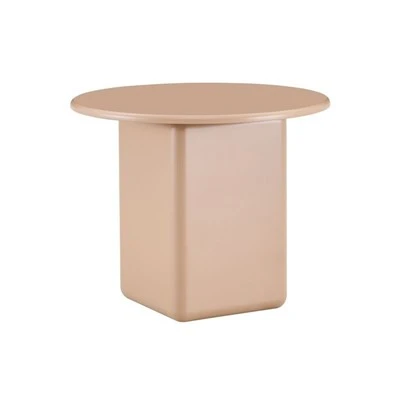
At the end of the day, a dining table isn’t just furniture—it’s where you eat breakfast, celebrate birthdays, argue about who’s turn it is to do the dishes, and make memories. It’s worth investing in something that’ll be there for all of that, not something that’ll fall apart after a year. Take your time, ask the right questions, and you’ll end up with a table you love for decades.
Side Tables References
- American Hardwood Information Center. (2024). "Selecting Quality Hardwood Furniture." AHIC.
- National Furniture Bank Association. (2023). "Durability Guidelines for Residential Furniture." NFBA.
- Woodworks Association. (2023). "Understanding Furniture Construction Joints and Quality." Woodworks.org.
- Consumer Reports. (2024). "Dining Table Buying Guide: Avoiding Common Pitfalls." Consumer Reports.
Furnishion (Tianjin) International Co., Ltd.
Furnishion (Tianjin) International Co., Ltd. is one of the most experienced dining tables manufacturers and suppliers in China. With a professional production team, we are able to meet the needs of the majority of our customers. Please feel free to wholesale high quality dining tables at competitive price from our factory.
Address: Room 2501, West Tower, Unit 1, Jinta Apartment, 162 Zhang Zizhong Road, Heping District, Tianjin, China
E-mail: export@furnishion.com
WebSite: https://www.furnishion.com/
