Hey there! I’m a supplier of other sewage treatment equipment, and I’ve seen my fair share of issues with these machines. In this blog, I’ll share some tips on how to troubleshoot other sewage treatment equipment. Other Sewage Treatment Equipment

First off, let’s talk about the importance of regular maintenance. Just like your car, sewage treatment equipment needs regular check – ups to run smoothly. A lot of problems can be avoided if you follow the manufacturer’s maintenance schedule. This usually includes things like cleaning filters, checking for leaks, and lubricating moving parts.
One common issue I often see is clogging. Sewage contains all sorts of debris, and over time, it can build up in the pipes and filters. If you notice that the flow rate of your sewage treatment system has decreased, it might be a sign of clogging. To fix this, you can start by checking the filters. Most equipment has easily accessible filters that you can clean or replace. If the clog is in the pipes, you might need to use a plumbing snake or a high – pressure water jet to clear it out.
Another problem that comes up is electrical issues. Many sewage treatment units rely on electricity to operate pumps, aerators, and other components. If your equipment suddenly stops working, the first thing to check is the power supply. Make sure the unit is plugged in and that the circuit breaker hasn’t tripped. If the power seems fine, it could be a problem with the electrical components inside the unit. In this case, it’s best to call in a professional electrician who has experience with sewage treatment equipment.
Leaks are also a major headache. You can usually spot a leak by looking for puddles of water around the equipment or by noticing a decrease in the water level in the treatment tank. If you find a leak, the first step is to turn off the power to the unit to avoid any electrical hazards. Then, try to locate the source of the leak. It could be a loose connection, a cracked pipe, or a faulty seal. Once you’ve found the source, you can either repair it yourself if it’s a simple fix, like tightening a connection, or call a professional for more complex repairs.
The pH level of the sewage can also cause problems. Sewage treatment equipment is designed to work within a certain pH range. If the pH is too high or too low, it can affect the efficiency of the treatment process. You can use a pH testing kit to check the pH level of the sewage. If it’s outside the recommended range, you can add chemicals to adjust it. However, be careful when handling these chemicals, as they can be dangerous.
Sometimes, the problem might be with the software or control system of the equipment. Many modern sewage treatment units have advanced control systems that regulate the treatment process. If you notice that the equipment is not operating as it should, it could be a software glitch. Try resetting the control system by turning it off and on again. If that doesn’t work, you might need to contact the manufacturer for technical support.
Now, let’s talk about the importance of proper installation. A lot of problems can be traced back to improper installation. Make sure that the equipment is installed according to the manufacturer’s instructions. This includes things like proper placement, correct connection of pipes and electrical wires, and ensuring that the unit is level. If you’re not confident in your installation skills, it’s best to hire a professional installer.
When it comes to troubleshooting, documentation is key. Keep a record of all maintenance activities, repairs, and any problems you’ve encountered. This will help you track the history of the equipment and identify any recurring issues. It can also be useful when you need to provide information to the manufacturer or a service technician.
In addition to these general troubleshooting tips, it’s important to stay up – to – date with the latest technology and best practices in sewage treatment. Newer equipment often comes with improved features and better performance. You might want to consider upgrading your equipment if it’s old or not meeting your needs.
If you’re having persistent problems with your sewage treatment equipment that you can’t solve on your own, don’t hesitate to reach out for help. You can contact the manufacturer’s customer support, or hire a professional sewage treatment equipment service provider. They have the expertise and tools to diagnose and fix complex problems.
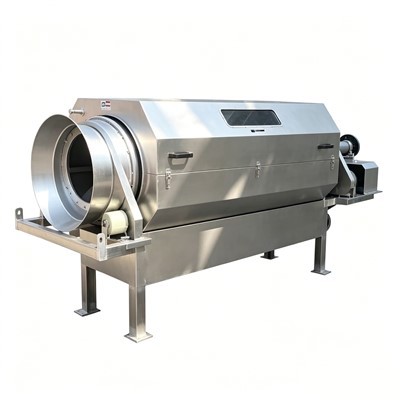
As a supplier of other sewage treatment equipment, I’m here to help you keep your systems running smoothly. Whether you’re a small business owner, a homeowner, or a large industrial facility, I can provide you with high – quality equipment and support. If you’re in the market for new sewage treatment equipment or need help with troubleshooting your existing system, I’d love to have a chat with you. Just reach out, and we can discuss your specific needs and find the best solutions for you.
Other Sewage Treatment Equipment References:
- "Sewage Treatment Handbook" by John Doe
- "Advanced Troubleshooting for Water and Sewage Equipment" by Jane Smith
Shandong Lingke Environmental Technology Co., Ltd.
We’re well-known as one of the leading sewage treatment equipment manufacturers and suppliers in China, featured by quality products and good price. Please rest assured to buy durable sewage treatment equipment for sale here from our factory. Customized orders are welcome.
Address: 100 Meters South of the Intersection of County Road 042 and National Highway 309, Changle County, Weifang City, Shandong Province
E-mail: aileenlin@sdlingkegroup.com
WebSite: https://www.lkecotech.com/
