Plastic fittings are essential components in a wide range of industries, from plumbing and construction to automotive and manufacturing. As a supplier of plastic fittings, I’ve encountered numerous customers who are curious about the differences between various types of plastic fittings. In this blog post, I’ll delve into the characteristics, applications, and advantages of different plastic fitting types to help you make informed decisions when selecting the right fittings for your projects. Plastic Fittings

PVC (Polyvinyl Chloride) Fittings
PVC is one of the most commonly used plastics for fittings due to its affordability, durability, and ease of installation. PVC fittings are typically white or gray in color and are widely used in plumbing systems for both residential and commercial applications.
Characteristics
- Chemical Resistance: PVC is highly resistant to a wide range of chemicals, making it suitable for use in applications where exposure to corrosive substances is a concern.
- Low Cost: PVC is a relatively inexpensive material, making it a cost-effective choice for large-scale projects.
- Ease of Installation: PVC fittings can be easily joined using solvent cement, which creates a strong and leak-proof bond.
Applications
- Plumbing Systems: PVC fittings are commonly used in water supply and drainage systems, as well as in irrigation systems.
- Electrical Conduit: PVC is also used to make electrical conduit, which protects electrical wires from damage and provides a safe pathway for wiring.
- Construction: PVC fittings are used in construction applications, such as in the installation of window frames, siding, and roofing.
Advantages
- Versatility: PVC fittings can be used in a wide range of applications, making them a versatile choice for many projects.
- Longevity: PVC is a durable material that can last for many years, even in harsh environments.
- Low Maintenance: PVC fittings require minimal maintenance, which can save time and money in the long run.
CPVC (Chlorinated Polyvinyl Chloride) Fittings
CPVC is a modified form of PVC that has been chlorinated to increase its heat resistance and chemical resistance. CPVC fittings are typically yellow in color and are commonly used in hot water plumbing systems.
Characteristics
- High Heat Resistance: CPVC can withstand higher temperatures than PVC, making it suitable for use in hot water applications.
- Chemical Resistance: CPVC is highly resistant to a wide range of chemicals, making it suitable for use in applications where exposure to corrosive substances is a concern.
- Ease of Installation: CPVC fittings can be easily joined using solvent cement, which creates a strong and leak-proof bond.
Applications
- Hot Water Plumbing Systems: CPVC fittings are commonly used in hot water supply systems, as well as in industrial applications where high-temperature fluids are transported.
- Fire Sprinkler Systems: CPVC is also used in fire sprinkler systems, as it can withstand the high temperatures and pressures associated with these systems.
- Chemical Processing: CPVC is used in chemical processing applications, such as in the production of pharmaceuticals and food products.
Advantages
- Heat Resistance: CPVC can withstand higher temperatures than PVC, making it suitable for use in hot water applications.
- Chemical Resistance: CPVC is highly resistant to a wide range of chemicals, making it suitable for use in applications where exposure to corrosive substances is a concern.
- Longevity: CPVC is a durable material that can last for many years, even in harsh environments.
PEX (Cross-linked Polyethylene) Fittings
PEX is a flexible plastic material that is commonly used in plumbing systems. PEX fittings are typically made of brass or plastic and are used to connect PEX tubing.
Characteristics
- Flexibility: PEX is a flexible material that can be easily bent and shaped, making it suitable for use in applications where flexibility is required.
- Corrosion Resistance: PEX is highly resistant to corrosion, making it suitable for use in applications where exposure to water or other corrosive substances is a concern.
- Ease of Installation: PEX fittings can be easily installed using a variety of methods, such as crimping, clamping, or push-fit connections.
Applications
- Residential Plumbing Systems: PEX is commonly used in residential plumbing systems for both hot and cold water supply lines.
- Radiant Heating Systems: PEX is also used in radiant heating systems, as it can be easily installed under floors or in walls to provide efficient heating.
- Snow Melting Systems: PEX is used in snow melting systems, as it can be installed in driveways, sidewalks, and other outdoor areas to melt snow and ice.
Advantages
- Flexibility: PEX is a flexible material that can be easily bent and shaped, making it suitable for use in applications where flexibility is required.
- Corrosion Resistance: PEX is highly resistant to corrosion, making it suitable for use in applications where exposure to water or other corrosive substances is a concern.
- Ease of Installation: PEX fittings can be easily installed using a variety of methods, which can save time and money in the installation process.
ABS (Acrylonitrile Butadiene Styrene) Fittings
ABS is a thermoplastic material that is commonly used in plumbing and drainage systems. ABS fittings are typically black in color and are used to connect ABS pipes.
Characteristics
- Strength and Durability: ABS is a strong and durable material that can withstand high pressures and impacts.
- Chemical Resistance: ABS is highly resistant to a wide range of chemicals, making it suitable for use in applications where exposure to corrosive substances is a concern.
- Ease of Installation: ABS fittings can be easily joined using solvent cement, which creates a strong and leak-proof bond.
Applications
- Plumbing and Drainage Systems: ABS is commonly used in plumbing and drainage systems for both residential and commercial applications.
- Automotive Applications: ABS is also used in automotive applications, such as in the production of bumpers, dashboards, and other interior components.
- Electrical Applications: ABS is used in electrical applications, such as in the production of electrical enclosures and switch boxes.
Advantages
- Strength and Durability: ABS is a strong and durable material that can withstand high pressures and impacts, making it suitable for use in applications where strength and durability are required.
- Chemical Resistance: ABS is highly resistant to a wide range of chemicals, making it suitable for use in applications where exposure to corrosive substances is a concern.
- Ease of Installation: ABS fittings can be easily joined using solvent cement, which creates a strong and leak-proof bond.
Polypropylene Fittings
Polypropylene is a thermoplastic material that is commonly used in plumbing and chemical processing applications. Polypropylene fittings are typically white or gray in color and are used to connect polypropylene pipes.
Characteristics
- Chemical Resistance: Polypropylene is highly resistant to a wide range of chemicals, making it suitable for use in applications where exposure to corrosive substances is a concern.
- Low Cost: Polypropylene is a relatively inexpensive material, making it a cost-effective choice for large-scale projects.
- Ease of Installation: Polypropylene fittings can be easily joined using heat fusion or solvent welding, which creates a strong and leak-proof bond.
Applications
- Plumbing and Chemical Processing: Polypropylene is commonly used in plumbing and chemical processing applications, such as in the production of water treatment plants and chemical storage tanks.
- Food and Beverage Industry: Polypropylene is also used in the food and beverage industry, as it is a safe and hygienic material that can be used to transport and store food and beverages.
- Agricultural Applications: Polypropylene is used in agricultural applications, such as in the production of irrigation systems and greenhouse structures.
Advantages
- Chemical Resistance: Polypropylene is highly resistant to a wide range of chemicals, making it suitable for use in applications where exposure to corrosive substances is a concern.
- Low Cost: Polypropylene is a relatively inexpensive material, making it a cost-effective choice for large-scale projects.
- Ease of Installation: Polypropylene fittings can be easily joined using heat fusion or solvent welding, which creates a strong and leak-proof bond.
Conclusion
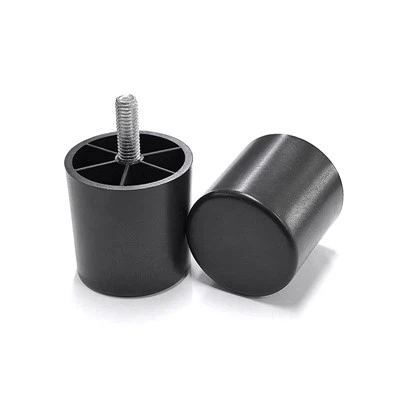
In conclusion, there are several different types of plastic fittings available, each with its own unique characteristics, applications, and advantages. As a supplier of plastic fittings, I can help you select the right fittings for your projects based on your specific requirements and budget. Whether you need PVC, CPVC, PEX, ABS, or polypropylene fittings, I have a wide range of products to choose from.
Plastic Parts If you’re interested in learning more about our plastic fittings or would like to discuss your project requirements, please don’t hesitate to contact me. I’m here to help you find the right solutions for your needs.
References
- "Plastic Pipe and Fittings Handbook" by the Plastic Pipe Institute
- "Handbook of Plastic Materials and Technology" by Irvin I. Rubin
- "Polymer Engineering and Science" journal
Deqing Fengcheng Plastic Products Co., Ltd.
With abundant experience, we are one of the most professional plastic fittings manufacturers and suppliers in China. We warmly welcome you to wholesale bulk customized plastic fittings from our factory. If you have any enquiry about free sample, please feel free to email us.
Address: No. 18, Yanhe West Road, Yuyue Town, Deqing County, Huzhou City, Zhejiang Province
E-mail: super_fetching@163.com
WebSite: https://www.funchim.com/
