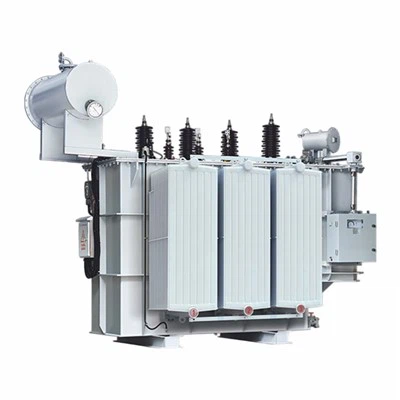
As a supplier of substation transformers, I’ve had the privilege of witnessing the intricacies of these vital electrical components first-hand. Substation transformers are the backbone of the power grid, facilitating the efficient transmission and distribution of electricity. However, like any complex machinery, they are prone to several common faults that can disrupt operations and lead to significant downtime. In this blog, I’ll delve into these faults, exploring their causes, impacts, and preventive measures. Substation Transformer
Overheating
One of the most prevalent faults in substation transformers is overheating. Transformers generate heat during normal operation due to the resistance of the winding and core losses. However, excessive heat can accelerate the degradation of the insulation material, leading to premature failure of the transformer.
Causes
There are several causes of overheating in substation transformers. One primary cause is overloading, where the transformer is subjected to a higher load than its rated capacity. This can occur due to an unexpected increase in demand or a malfunction in the load management system. Another cause is poor cooling, which can be a result of blocked cooling fins, malfunctioning cooling fans, or low levels of cooling oil. Additionally, electrical faults such as short circuits can cause a sudden increase in current, leading to a rapid rise in temperature.
Impacts
Overheating can have severe consequences for substation transformers. It can cause thermal stress on the insulation material, leading to cracking and breakdown. This can result in a short circuit, which can damage the transformer and other components in the substation. Overheating can also reduce the lifespan of the transformer, increasing the need for frequent replacements and maintenance.
Preventive Measures
To prevent overheating, it is essential to monitor the load on the transformer regularly and ensure it operates within its rated capacity. This can be achieved through load management strategies and the installation of overload protection devices. Additionally, it is crucial to maintain the cooling system in optimal condition by cleaning the cooling fins, checking the fans, and ensuring the proper level of cooling oil. Regular thermal imaging inspections can also help detect hotspots early, allowing for timely intervention.
Insulation Failure
Insulation failure is another common fault in substation transformers. The insulation material in transformers serves to isolate the electrical conductors and prevent short circuits. However, over time, the insulation can degrade due to various factors, leading to a breakdown in its protective properties.
Causes
There are several causes of insulation failure in substation transformers. One of the primary causes is aging, as the insulation material can deteriorate over time due to thermal, electrical, and mechanical stresses. Moisture ingress is another significant factor, as water can reduce the dielectric strength of the insulation and cause corrosion. Contamination from dirt, dust, and chemicals can also damage the insulation, leading to partial discharges and ultimately, failure.
Impacts
Insulation failure can have catastrophic consequences for substation transformers. It can cause short circuits, which can lead to electric arcing, fires, and explosions. This can not only damage the transformer but also pose a significant safety risk to personnel and the surrounding environment. Additionally, insulation failure can result in power outages, affecting the reliability of the power supply.
Preventive Measures
To prevent insulation failure, it is crucial to ensure the quality of the insulation material during the manufacturing process. Regular insulation testing, such as dielectric breakdown voltage tests and partial discharge measurements, can help detect early signs of degradation. Moisture control is also essential, and this can be achieved through the installation of moisture barriers, dehumidifiers, and the proper sealing of the transformer tank. Additionally, it is important to keep the transformer environment clean and free from contaminants.
Oil Degradation
Most substation transformers use oil as a coolant and insulation medium. However, over time, the oil can degrade due to various factors, affecting its performance and the overall health of the transformer.
Causes
There are several causes of oil degradation in substation transformers. Oxidation is one of the primary causes, as the oil can react with oxygen in the presence of heat and moisture, forming acids and sludge. Thermal stress can also cause the oil to break down, leading to a decrease in its dielectric strength. Contamination from water, dirt, and other impurities can further accelerate the degradation process.
Impacts
Oil degradation can have several negative impacts on substation transformers. It can reduce the cooling efficiency of the oil, leading to overheating. The acids and sludge formed during oxidation can corrode the transformer components, such as the winding and core, causing damage and reducing the lifespan of the transformer. Additionally, degraded oil can increase the risk of insulation failure, as its dielectric strength is compromised.
Preventive Measures
To prevent oil degradation, it is important to monitor the oil regularly for signs of oxidation, moisture, and contamination. Oil filtration and purification systems can be installed to remove impurities and extend the life of the oil. Additionally, the use of antioxidants and corrosion inhibitors can help slow down the oxidation process. It is also crucial to maintain the proper level of oil in the transformer and ensure it is sealed to prevent moisture ingress.
Winding Faults
The windings in a substation transformer are responsible for transferring electrical energy between different voltage levels. However, they are also prone to several faults that can affect the performance of the transformer.
Causes
There are several causes of winding faults in substation transformers. One of the primary causes is short circuits, which can occur due to insulation failure, mechanical damage, or overloading. Overheating can also cause the winding insulation to degrade, leading to short circuits. Additionally, mechanical stress during transportation and installation can cause the windings to shift or become damaged.
Impacts
Winding faults can have significant consequences for substation transformers. They can cause a sudden drop in voltage, leading to power outages. Short circuits in the windings can also generate excessive heat and magnetic forces, which can damage the transformer and other components in the substation. Additionally, winding faults can reduce the efficiency of the transformer, increasing energy losses.
Preventive Measures
To prevent winding faults, it is important to ensure the quality of the winding insulation during the manufacturing process. Regular insulation testing can help detect early signs of degradation. Proper handling and installation of the transformer can also prevent mechanical damage to the windings. Additionally, the use of protective devices such as fuses and circuit breakers can help isolate the transformer in the event of a short circuit.
Core Faults
The core of a substation transformer is made up of laminated steel sheets and is responsible for providing a low-reluctance path for the magnetic flux. However, core faults can occur, affecting the performance of the transformer.
Causes
There are several causes of core faults in substation transformers. One of the primary causes is short circuits in the core laminations, which can occur due to insulation failure or mechanical damage. Overheating can also cause the core laminations to expand and shift, leading to short circuits. Additionally, magnetic saturation can occur if the transformer is subjected to a higher magnetic flux than its rated capacity, causing excessive heating and core damage.
Impacts
Core faults can have significant consequences for substation transformers. They can cause a decrease in the efficiency of the transformer, leading to increased energy losses. Short circuits in the core can also generate excessive heat and magnetic forces, which can damage the transformer and other components in the substation. Additionally, core faults can cause a distortion in the magnetic field, leading to abnormal operation of the transformer.
Preventive Measures
To prevent core faults, it is important to ensure the quality of the core laminations during the manufacturing process. Regular inspection of the core for signs of damage or short circuits can help detect early problems. Proper cooling and ventilation can also prevent overheating of the core. Additionally, the use of protective devices such as overcurrent relays can help prevent magnetic saturation.
Conclusion

As a supplier of substation transformers, I understand the importance of ensuring the reliability and performance of these critical components. By being aware of the common faults that can affect substation transformers and implementing preventive measures, we can minimize the risk of downtime and ensure the efficient operation of the power grid.
Substation Transformer If you are in the market for high-quality substation transformers, we invite you to contact us for procurement and further discussion. Our team of experts is ready to assist you in finding the right solution for your specific needs.
References
- Electrical Power Systems: Design and Analysis, by Mohamed E. El-Hawary
- Transformer Engineering: Design, Technology, and Diagnostics, by G. K. Dubey
- Electrical Insulation for Rotating Machines: Design, Evaluation, Aging, Testing, and Repair, by Greg C. Stone, Edward A. Boulter, Ian Culbert, and Hussein Dhirani
Nantong Yawei New Energy Technology Co., Ltd.
As one of the most professional substation transformer manufacturers and suppliers in China, we’re featured by quality products and good service. Please rest assured to wholesale durable substation transformer made in China here from our factory. Customized orders are welcome.
Address: Room 28-101, Building 27 and 28, No.333 Kaiyuan Avenue, Sunzhuang Subdistrict, Hai’an City, Nantong City, Jiangsu Province, China
E-mail: admin@nantongyawei.com
WebSite: https://www.nantongyawei.com/
