Hey there, fellow DIY enthusiasts and chainsaw users! I’m a supplier in the chainsaw game, and I know how important it is to keep your chainsaw chain sharp. A dull chain not only makes your cutting tasks a pain but can also be dangerous. So, today, I’m gonna walk you through how to sharpen a chainsaw chain right at home. Chainsaw
First things first, safety is key. Before you even think about touching the chain, make sure your chainsaw is turned off and the spark plug wire is disconnected. This might seem like a no – brainer, but you’d be surprised how many accidents happen because people skip this step. You’ll also want to wear some good safety gear, like gloves and eye protection. The chain can be sharp even when it’s dull, and you don’t want any metal shavings flying into your eyes.
Now, let’s talk about what you’ll need to sharpen the chain. You’ve got a few options for tools. One of the most common is a round file. You can get these in different sizes, so make sure you pick the right one for your chain. The size is usually marked on the chain itself. Another option is a chainsaw sharpener, which can be either manual or electric. Manual sharpeners are more affordable and portable, while electric ones are quicker and can be more precise.
If you’re using a round file, you’ll need a file guide. This helps you keep the right angle when you’re filing the chain teeth. The angle is super important, as it affects how well the chain cuts. Most chainsaws have a recommended filing angle, which is usually around 30 to 35 degrees. You can find this info in your chainsaw’s manual.
Let’s start the sharpening process. First, secure your chainsaw. You can use a vise to hold it steady, but make sure you don’t damage the chainsaw body. Once it’s secure, locate the first tooth that needs sharpening. You’ll notice that the chain has two types of teeth: the cutters and the depth gauges. The cutters are the ones that do the actual cutting, and that’s what we’re gonna focus on first.
Take your file guide and attach it to the chain. Make sure it’s lined up properly with the tooth you’re working on. The guide will help you keep the correct angle. Now, take your round file and place it in the guide. You’ll want to file in one direction only, usually away from the chainsaw. Apply a little bit of pressure and make several strokes with the file. You don’t need to go crazy with the pressure; just enough to remove a small amount of metal. Keep filing until the tooth is sharp and has a nice, clean edge.
After you’ve sharpened one cutter tooth, move on to the next one. It’s important to sharpen the teeth in a sequence, usually going around the chain one tooth at a time. Make sure you’re filing each tooth at the same angle and with the same number of strokes. This will help keep the chain balanced.
Once you’ve sharpened all the cutter teeth, it’s time to check the depth gauges. The depth gauges are the small pieces of metal in front of each cutter tooth. Their job is to control how deep the cutter tooth cuts into the wood. If the depth gauges are too high, the chain won’t cut efficiently; if they’re too low, the chain can cut too aggressively and cause kickback.
To check the depth gauges, you can use a depth gauge tool. This is a small tool that has a specific measurement for the correct height of the depth gauges. Place the tool on the chain and check each depth gauge. If a depth gauge is too high, you can use a flat file to file it down to the correct height. Just like when filing the cutter teeth, make sure you file in one direction and apply even pressure.
After you’ve checked and adjusted all the depth gauges, give the chain a good once – over. Look for any other signs of damage, like bent teeth or loose links. If you find any, it might be time to replace the chain or have it professionally repaired.
Now that you’ve sharpened the chain, it’s time to clean it up. You can use a wire brush to remove any metal shavings or debris from the chain. This will help the chain run smoothly and prevent any damage to the chainsaw.
Once the chain is clean, you can reattach it to the chainsaw. Make sure it’s tightened properly, but don’t over – tighten it. You should be able to move the chain freely around the bar, but there shouldn’t be too much slack.
And that’s it! You’ve successfully sharpened your chainsaw chain at home. By doing this regularly, you’ll not only extend the life of your chain but also make your cutting tasks a whole lot easier and safer.
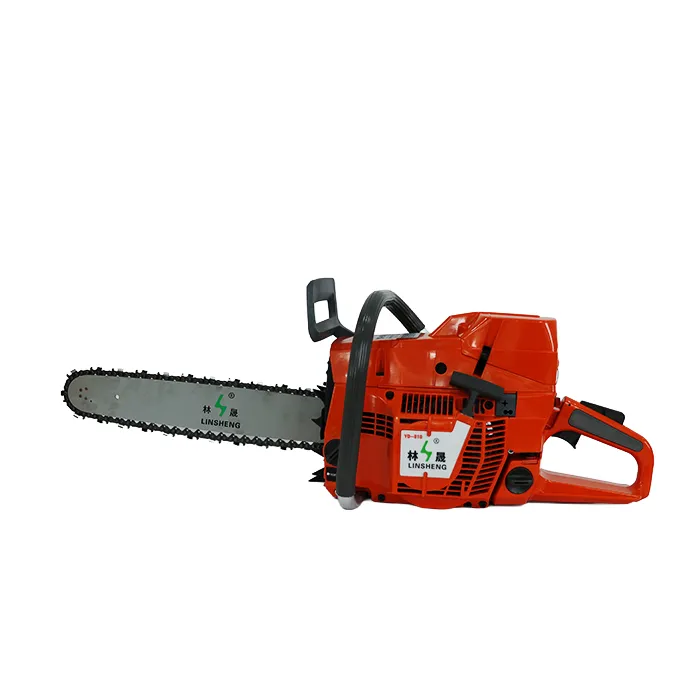
As a chainsaw supplier, I know how important it is to have the right tools and equipment. If you’re in the market for a new chainsaw, chain sharpening tools, or replacement chains, I’d love to have a chat. We’ve got a wide range of products to suit all your needs. Whether you’re a professional logger or just someone who likes to do a little yard work on the weekends, we can help you find the perfect chainsaw solution. Don’t hesitate to reach out if you’ve got any questions or if you’re interested in purchasing. I’m here to make sure you get the best product for your money and the support you need to keep your chainsaw running smoothly.
Heavy-duty Fire Pumps References:
- Chainsaw User Manuals
- Chainsaw Repair Guides
Zhenjiang Linhao Forest Fire Prevention Equipment Co., Ltd.
Zhenjiang Linhao Forest Fire Prevention Equipment Co., Ltd. is one of the most reliable manufacturers and suppliers of chainsaw in China, featured by quality products and low price. Please rest assured to wholesale customized chainsaw from our factory. Contact us for quotation and free sample.
Address: No.16,Fenghuangshan Road, Runzhou District, Zhenjiang City, Jiangsu Province
E-mail: lh@lhfirefighting.com
WebSite: https://www.lhfirefighting.com/
