Ozone is a highly reactive gas composed of three oxygen atoms (O₃). It occurs naturally in the Earth’s atmosphere, playing a crucial role in protecting the planet from harmful ultraviolet radiation in the stratosphere. However, at ground – level, ozone can be a pollutant formed through complex chemical reactions involving sunlight, nitrogen oxides (NOₓ), and volatile organic compounds (VOCs). This ground – level ozone can have detrimental effects on various materials, including expander seals. Expander Seal

As a supplier of expander seals, understanding the ozone resistance of our products is of utmost importance. Expander seals are designed to provide a reliable and long – lasting sealing solution in a wide range of applications, such as automotive, aerospace, industrial machinery, and marine environments. These seals are often exposed to multiple environmental factors, and ozone can be one of the most challenging ones to deal with.
When expander seals come into contact with ozone, several chemical and physical processes occur that can degrade the seal material. Ozone is a strong oxidizing agent, and it can react with the double bonds present in the polymers that make up many seal materials. For example, in rubber – based expander seals, the unsaturated carbon – carbon double bonds in the polymer chains are highly susceptible to ozone attack.
The reaction between ozone and the polymer chains can lead to chain scission, which means the breakage of the long polymer chains into shorter fragments. This results in a loss of mechanical properties, such as reduced tensile strength, elongation at break, and hardness changes. Visually, ozone attack on expander seals often manifests as cracking. These cracks start on the surface of the seal and can propagate over time, eventually compromising the seal’s integrity and performance.
The rate and extent of ozone degradation depend on several factors. Firstly, the ozone concentration in the environment is a major determinant. Higher ozone levels, such as those found in industrial areas with high pollution or in areas with intense sunlight and high levels of precursor pollutants (NOₓ and VOCs), will accelerate the degradation process.
The temperature also plays a significant role. Generally, higher temperatures increase the reaction rate between ozone and the seal material. This is because the increased thermal energy provides more activation energy for the chemical reactions to occur. Additionally, the stress state of the expander seal is important. Seals under high – stress conditions, such as those that are highly compressed or stretched, are more likely to develop ozone cracks. The stress can cause microscopic flaws in the material, which act as initiation sites for ozone attack.
To evaluate the ozone resistance of expander seals, we use a series of standard testing methods. One commonly used method is the ASTM D1149 standard. In this test, specimens of the expander seal material are exposed to a controlled ozone – rich environment at a specified temperature, ozone concentration, and exposure time. After the exposure period, the specimens are examined for signs of cracking, and the degree of cracking is rated according to a predefined scale.
Another important aspect is to select the appropriate materials for expander seals to enhance ozone resistance. Some polymers are naturally more resistant to ozone than others. For instance, fluorocarbon rubbers (FKM) and ethylene – propylene – diene monomer (EPDM) rubbers have good ozone resistance. FKM rubbers have a highly fluorinated backbone, which makes them very stable and resistant to oxidation by ozone. EPDM rubbers, on the other hand, have a mostly saturated polymer structure, with few double bonds available for ozone reaction.
In addition to material selection, we also employ various compounding techniques to improve ozone resistance. For example, adding anti – ozone agents or antioxidants to the rubber formulation can help protect the polymer chains from ozone attack. These additives work by either reacting with the ozone before it can react with the polymer or by scavenging the free radicals generated during the ozone – polymer reaction.
In our experience as a expander seal supplier, different applications require different levels of ozone resistance. In the automotive industry, expander seals used under the hood are exposed to a relatively high – temperature and potentially ozone – rich environment due to engine emissions and sunlight. Therefore, we recommend using high – ozone – resistant materials such as FKM for these seals.
In aerospace applications, expander seals need to withstand extreme environmental conditions, including high – altitude ozone exposure. The seals must maintain their integrity and performance over long periods of time. Here, we often use advanced materials with excellent ozone resistance and other properties such as high – temperature stability and low outgassing.
In industrial machinery, the ozone resistance requirements can vary widely depending on the location of the machinery. In a factory near a chemical plant or a busy traffic area, the ozone levels may be relatively high, and seals need to be more ozone – resistant. In contrast, in a controlled indoor environment, the ozone levels are usually lower, and less – resistant seal materials may be sufficient.
To ensure the highest quality and ozone resistance of our expander seals, we have a strict quality control system in place. Every batch of seal materials is tested for ozone resistance before production. During the manufacturing process, we monitor the production parameters closely to ensure that the seals are produced to the highest standards.
Furthermore, we continuously invest in research and development to improve the ozone resistance of our expander seals. We collaborate with leading material science research institutions to explore new materials and compounding techniques. By staying at the forefront of technology, we can offer our customers the most reliable and ozone – resistant expander seals on the market.
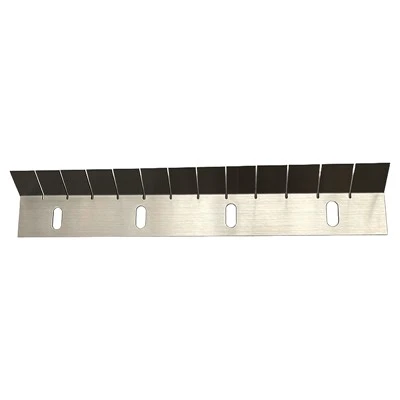
If you are in need of expander seals with excellent ozone resistance for your specific application, we are here to help. Our team of experts can provide you with detailed technical advice on material selection, and we can customize our products to meet your exact requirements. Whether you are in the automotive, aerospace, industrial machinery, or any other industry, we have the solution for you. Feel free to reach out to us for further discussions and potential purchase. We look forward to partnering with you to meet your sealing needs.
Ash Blower Seal References
- ASTM D1149 – Standard Test Method for Rubber Deterioration—Surface Cracking in an Ozone – Controlled Environment
- "Handbook of Elastomers" edited by Ibrahim Nejat Karayaka, which provides in – depth knowledge about rubber materials and their properties, including ozone resistance.
Jiangsu Turbine Electric Power Technology Co., Ltd.
As one of the most professional expander seal manufacturers and suppliers in China, we have world-leading production equipment and strong manufacturing capabilities. Please feel free to buy advanced expander seal for sale here and get pricelist from our factory. Customized orders are welcome.
Address: Building 8, Huaqi Yungu Xuzhou Lingang Industry Accelerator, Jiawang District, Xuzhou City, Jiangsu Province
E-mail: zjh800@163.com
WebSite: https://www.cnturbine.com/
