As a supplier of Optical Frame Injection Moulding Machines, I’ve witnessed firsthand the pivotal role of mould temperature controllers in the manufacturing process. In this blog, I’ll delve into the significance of these controllers, their impact on product quality, and why they are an indispensable component in our machines. Optical Frame Injection Moulding Machine

The Basics of Mould Temperature Control
Before we explore the role of mould temperature controllers, let’s understand the fundamental principles of injection moulding. In the process of creating optical frames, molten plastic is injected into a mould cavity at high pressure. The plastic then cools and solidifies, taking the shape of the mould. The temperature of the mould during this process is a critical factor that can significantly influence the final product’s quality, appearance, and mechanical properties.
A mould temperature controller is a device that precisely regulates the temperature of the mould by circulating a heat – transfer fluid, such as water or oil, through channels within the mould. This fluid absorbs or releases heat to maintain the desired temperature within a narrow range.
Importance of Precise Temperature Control
Product Quality
One of the primary reasons for using a mould temperature controller is to ensure the high – quality production of optical frames. When the mould temperature is too low, the molten plastic may cool too quickly, leading to poor flow and filling of the mould cavity. This can result in defects such as short shots, where the plastic does not fully fill the mould, or weld lines, which are visible seams where two streams of plastic meet.
On the other hand, if the mould temperature is too high, the plastic may overheat, causing degradation of the material. This can lead to issues like discoloration, brittleness, and reduced mechanical strength of the optical frames. By maintaining a consistent and precise temperature, the mould temperature controller helps to prevent these defects and ensures that each frame meets the required quality standards.
Dimensional Accuracy
Precise temperature control is also crucial for achieving dimensional accuracy in optical frames. The thermal expansion and contraction of the mould and the plastic during the injection moulding process can cause variations in the final product’s dimensions. A well – regulated mould temperature controller minimizes these thermal effects, ensuring that the frames have consistent dimensions across the entire production run. This is particularly important for optical frames, as even small dimensional variations can affect the fit and comfort of the glasses.
Cycle Time Optimization
The mould temperature controller plays a significant role in optimizing the injection moulding cycle time. By controlling the temperature of the mould, it can reduce the time required for the plastic to cool and solidify. A higher mould temperature, within the appropriate range, can promote faster and more uniform cooling, which in turn reduces the cycle time. This means that more optical frames can be produced in a given period, increasing the overall productivity of the injection moulding machine.
Types of Mould Temperature Controllers for Optical Frame Injection Moulding
There are two main types of mould temperature controllers commonly used in optical frame injection moulding: water – cooled and oil – cooled controllers.
Water – Cooled Controllers
Water – cooled mould temperature controllers are cost – effective and widely used for most injection moulding applications. Water has a high specific heat capacity, which means it can absorb a large amount of heat without a significant increase in temperature. This property makes water an excellent heat – transfer fluid for maintaining stable mould temperatures.
Water – cooled controllers are suitable for applications where the required mould temperature is relatively low, typically below 100°C. They are also environmentally friendly, as water is a non – toxic and readily available resource. However, they may not be suitable for applications that require higher mould temperatures.
Oil – Cooled Controllers
Oil – cooled mould temperature controllers are used when higher mould temperatures are required, typically above 100°C. Oil has a higher boiling point than water, allowing it to operate at elevated temperatures without vaporizing. This makes oil – cooled controllers ideal for injection moulding processes that involve high – temperature plastics or require precise temperature control at higher levels.
Oil – cooled controllers provide better heat transfer efficiency at high temperatures, ensuring more consistent mould temperatures. However, they are generally more expensive than water – cooled controllers and require more maintenance due to the properties of the oil, such as its potential to degrade over time.
Advanced Features of Modern Mould Temperature Controllers
Modern mould temperature controllers are equipped with advanced features that enhance their performance and functionality. These features include:
Precise Temperature Sensors
High – precision temperature sensors are used to monitor the temperature of the mould and the heat – transfer fluid accurately. These sensors can detect even small temperature variations and provide real – time feedback to the controller, allowing it to adjust the heating or cooling accordingly.
Programmable Logic Controllers (PLCs)
PLCs are used to automate the operation of the mould temperature controller. They can be programmed to follow specific temperature profiles, allowing for more flexibility in the injection moulding process. For example, the controller can be set to increase the mould temperature during the injection phase and then decrease it during the cooling phase.
Alarm Systems
Alarm systems are built into modern mould temperature controllers to alert operators in case of abnormal temperature conditions. These alarms can prevent damage to the mould and the injection moulding machine, as well as ensure the quality of the optical frames.
Conclusion and Call to Action
In conclusion, the mould temperature controller is an essential component of an Optical Frame Injection Moulding Machine. It plays a crucial role in ensuring the high – quality production of optical frames, achieving dimensional accuracy, and optimizing the injection moulding cycle time.
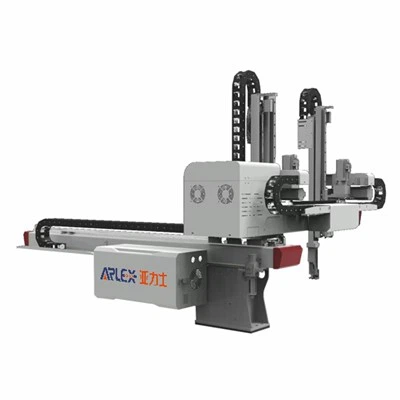
As a supplier of Optical Frame Injection Moulding Machines, we understand the importance of providing our customers with reliable and high – performance mould temperature controllers. Our machines are equipped with state – of – the – art temperature control systems that are designed to meet the specific needs of the optical frame manufacturing industry.
Fruit Crate Plastic Injection Moulding Machine If you are in the market for an Optical Frame Injection Moulding Machine or are looking to upgrade your existing equipment, we invite you to contact us for a detailed discussion. Our team of experts is ready to assist you in selecting the right machine and temperature control solution for your production requirements. We are committed to providing you with the best products and services to help you achieve your manufacturing goals.
References
- Behjati, S., & Montazerian, H. (2020). Injection Molding: Materials, Designs, and Processes. CRC Press.
- Rosato, D. V., & Rosato, D. V. (2019). Injection Molding Handbook. Wiley.
Ningbo Yalishi (Arlex) Plastic Machinery Co., Ltd.
Address: No.63, Huangsu East Road, Industrial Zone, Dongqian Lake Tourist Resort, Ningbo, Zhejiang Province
E-mail: leo@arlex.cn
WebSite: https://www.arleximm.com/
