As a well – versed supplier of T1 25KA Surge Protective Devices (SPDs), I’ve witnessed the growing importance of these devices in safeguarding electrical systems from the destructive forces of lightning and electrical surges. However, a common question that often arises among our clients is whether it’s possible to repair a damaged T1 25KA Surge Protective Device. In this blog post, I’ll delve into the intricacies of SPDs, analyze the viability of repair, and offer insights into making the right decision. T1 25KA Surge Protective Device
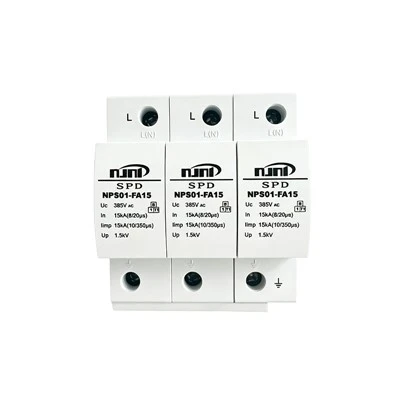
Understanding T1 25KA Surge Protective Devices
T1 25KA Surge Protective Devices are designed to handle the high – energy surges typically associated with direct lightning strikes. The "T1" refers to the Type 1 classification in the IEC 61643 – 11 standard, which is the highest level of protection for electrical installations. These devices can withstand high – current impulses, with a nominal discharge current (In) rating, in our case, of 25KA.
The primary function of a T1 25KA SPD is to divert the excessive current from a surge safely to the ground, preventing it from reaching and damaging sensitive electrical equipment. They consist of various components, including metal – oxide varistors (MOVs), gas discharge tubes (GDTs), and thermal disconnectors. Each component plays a crucial role in the device’s overall functionality.
Reasons for Damage to T1 25KA SPDs
There are several reasons why a T1 25KA SPD might become damaged. The most obvious cause is a direct or nearby lightning strike. A powerful lightning bolt can deliver an enormous amount of energy, far exceeding the SPD’s rated capacity. Even though these devices are built to withstand high – energy surges, a particularly intense strike can overwhelm its components.
Over time, normal wear and tear can also lead to damage. The repeated exposure to small – to – moderate surges can cause the components, especially the MOVs, to degrade. The MOVs, which are nonlinear resistors that change their resistance based on the voltage across them, can develop micro – cracks or experience a change in their electrical properties.
Environmental factors can also contribute to damage. High humidity, extreme temperatures, and exposure to corrosive substances can all have a negative impact on the SPD’s internal components. For example, moisture can seep into the device and cause short – circuits or corrosion, which can ultimately lead to failure.
Analyzing the Feasibility of Repair
When considering whether to repair a damaged T1 25KA SPD, several factors need to be taken into account.
Firstly, it’s essential to understand the nature of the damage. If the damage is minor, such as a blown thermal disconnector, it may be possible to replace this component relatively easily. The thermal disconnector is designed to disconnect the SPD from the circuit in case of overheating, protecting the device from further damage. Replacing a blown thermal disconnector can restore the device’s functionality.
However, if the damage involves the MOVs or GDTs, the situation becomes more complicated. MOVs are the heart of many SPDs, and once they are damaged, their electrical characteristics change. Even if a damaged MOV is replaced, there is no guarantee that the new MOV will have the exact same performance as the original. This can lead to uneven protection and potentially leave the electrical system vulnerable to future surges.
GDTs, on the other hand, are used to provide an initial discharge path for high – energy surges. If a GDT is damaged, it may not be able to perform its function effectively. Similar to MOVs, replacing a GDT requires careful calibration to ensure that the SPD operates as intended.
Another factor to consider is the cost of repair. In some cases, the cost of replacing individual components, along with the labor involved in disassembling and reassembling the device, can be quite high. If the cost of repair approaches or exceeds the cost of a new SPD, it may not be a cost – effective solution.
Safety Considerations
Safety is of utmost importance when dealing with damaged SPDs. Surge Protective Devices are designed to handle high – energy surges, and any attempt to repair them without proper knowledge and equipment can be extremely dangerous.
If a damaged SPD is not repaired correctly, it may not function as intended during a subsequent surge. This can lead to a situation where the electrical system is not adequately protected, increasing the risk of damage to equipment and even posing a fire hazard.
It’s also important to note that many SPDs are designed to be disposable after a certain level of damage. This is because the internal components may have been weakened in such a way that they cannot provide reliable protection in the future.
When to Replace vs. Repair
In general, if the damage to the T1 25KA SPD is minor and limited to easily replaceable components like the thermal disconnector, and the cost of repair is significantly lower than the cost of a new device, repair may be a viable option. However, it’s crucial to have the repair carried out by a qualified technician who has experience working with SPDs.
If the damage involves critical components such as MOVs or GDTs, or if the device has been subjected to a severe lightning strike, it’s usually best to replace the SPD. A new SPD will ensure that the electrical system is protected to the highest standards and will provide reliable performance over its lifespan.
Our Role as a Supplier
As a supplier of T1 25KA Surge Protective Devices, we understand the importance of providing our customers with reliable products and accurate information. We offer high – quality SPDs that are designed to meet the strictest industry standards.
In addition to supplying new SPDs, we also provide technical support to our customers. Our team of experts can assist in diagnosing the damage to an SPD and advising on whether repair or replacement is the best course of action. We can also offer installation and maintenance services to ensure that the SPDs are functioning properly at all times.
Encouraging Contact for Purchase and Consultation
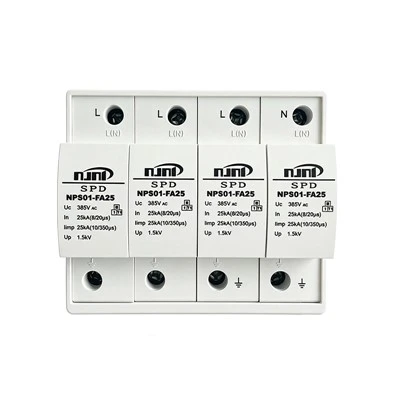
We recognize that every electrical system is unique, and the requirements for surge protection can vary. Whether you’re looking to purchase a new T1 25KA Surge Protective Device or need advice on repairing a damaged one, we’re here to help. Our extensive experience in the industry allows us to provide tailored solutions to meet your specific needs.
T1+T2 7KA Surge Protective Device If you have any questions about our products, the repair process, or surge protection in general, please don’t hesitate to reach out. We’re committed to providing you with the best possible service and ensuring that your electrical systems are well – protected against the threat of surges. Contact us today to start a conversation about your surge protection requirements and explore the options available to you.
References
- IEC 61643 – 11:2011, Low – voltage surge protective devices — Part 11: Surge protective devices connected to low – voltage power systems — Requirements and test methods.
- UL 1449: Fourth Edition, Standard for Surge Protective Devices.
- "Surge Protection for Electrical Installations" by Mark Kelly, published by the Institution of Engineering and Technology.
Nanjing Ningpu Lightning Protection Equipment Manufacturing Co., Ltd.
As one of the most professional T1 25ka surge protective device manufacturers and suppliers in China, we’re featured by quality products and good price. Please rest assured to buy customized T1 25ka surge protective device made in China here from our factory. Also, pricelist is available.
Address: Building 1, No.20 Shengyuan Road, Lishui Economic Development Zone, Nanjing City, Jiangsu Province, China
E-mail: 3796023563@qq.com
WebSite: https://www.npspd.com/
