As a supplier of ASTM Alloy Steel Plate, I often encounter questions from clients regarding the recyclability of our products. This topic is not only crucial for environmental considerations but also plays a significant role in the economic and industrial aspects of the steel industry. In this blog, I will delve into the question of whether ASTM Alloy Steel Plate can be recycled, exploring the process, benefits, and challenges associated with steel recycling. ASTM Alloy Steel Plate

Understanding ASTM Alloy Steel Plate
Before discussing recyclability, it’s essential to understand what ASTM Alloy Steel Plate is. ASTM (American Society for Testing and Materials) sets standards for various materials, including alloy steel plates. These plates are made by combining iron with other elements such as chromium, nickel, manganese, and molybdenum to enhance specific properties like strength, hardness, corrosion resistance, and heat resistance. ASTM Alloy Steel Plates find applications in a wide range of industries, including construction, automotive, aerospace, and energy.
The Recyclability of ASTM Alloy Steel Plate
The good news is that ASTM Alloy Steel Plate is highly recyclable. Steel is one of the most recycled materials in the world, with a recycling rate that far exceeds that of many other metals and materials. The recycling process for steel is well – established and has been refined over many years.
The Recycling Process
The recycling of ASTM Alloy Steel Plate typically begins with the collection of scrap steel. This scrap can come from various sources, such as manufacturing waste, end – of – life products, and construction demolition. Once the scrap is collected, it is sorted and processed to remove any non – steel materials, such as paint, coatings, and other contaminants.
The sorted scrap is then melted in a furnace. There are two main types of furnaces used in steel recycling: electric arc furnaces (EAF) and basic oxygen furnaces (BOF). Electric arc furnaces use electricity to heat the scrap until it melts, while basic oxygen furnaces use oxygen to react with the carbon in the steel to generate heat. In the case of recycling ASTM Alloy Steel Plate, EAFs are often preferred as they can precisely control the melting process and accommodate different alloy compositions.
After melting, the molten steel is refined to adjust its chemical composition and remove impurities. This step ensures that the recycled steel meets the required standards, including those set by ASTM. The refined steel is then cast into new shapes, such as plates, bars, or coils, and further processed to produce finished products.
Benefits of Recycling ASTM Alloy Steel Plate
There are several significant benefits to recycling ASTM Alloy Steel Plate.
Environmental Benefits
Recycling steel reduces the demand for virgin iron ore, which in turn conserves natural resources. Mining iron ore is a resource – intensive process that can have a significant impact on the environment, including deforestation, soil erosion, and water pollution. By recycling steel, we can also reduce energy consumption. The production of new steel from virgin materials requires a large amount of energy, while recycling steel uses considerably less energy. According to some estimates, recycling steel can save up to 75% of the energy required to produce new steel from raw materials. Additionally, recycling steel helps to reduce greenhouse gas emissions, as less energy consumption means fewer emissions of carbon dioxide and other pollutants.
Economic Benefits
Recycling ASTM Alloy Steel Plate can also bring economic advantages. The cost of producing recycled steel is generally lower than that of producing new steel from virgin materials. This is due to the reduced energy requirements and the fact that the cost of scrap steel is often lower than that of iron ore. Lower production costs can lead to more competitive pricing for steel products, which benefits both manufacturers and consumers. Moreover, the steel recycling industry creates jobs in the collection, sorting, processing, and manufacturing sectors.
Challenges in Recycling ASTM Alloy Steel Plate
While the recyclability of ASTM Alloy Steel Plate is well – documented, there are still some challenges associated with the recycling process.
Contamination
One of the main challenges is contamination. ASTM Alloy Steel Plate may be coated with various substances, such as paint, oil, and rust, which need to be removed before recycling. Additionally, the presence of non – ferrous metals and other impurities in the scrap can affect the quality of the recycled steel. Removing these contaminants requires additional processing steps, which can increase the cost and complexity of the recycling process.
Alloy Composition
Another challenge is maintaining the correct alloy composition during recycling. ASTM Alloy Steel Plate contains specific alloying elements in precise proportions to achieve the desired properties. When recycling the steel, it can be challenging to accurately control the alloy composition, especially when dealing with mixed scrap sources. This requires advanced analytical techniques and precise melting and refining processes to ensure that the recycled steel meets the ASTM standards.
Conclusion
In conclusion, ASTM Alloy Steel Plate can indeed be recycled, and the recycling process offers numerous environmental and economic benefits. Despite the challenges, the steel recycling industry has made significant progress in developing technologies and processes to overcome these issues and produce high – quality recycled steel.
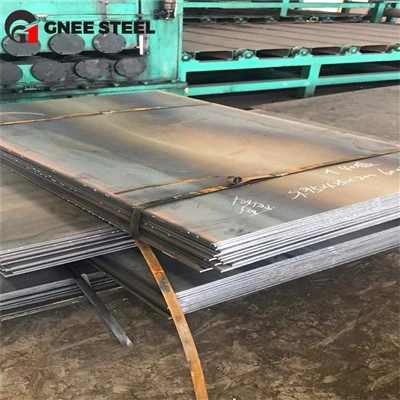
As a supplier of ASTM Alloy Steel Plate, I am committed to promoting sustainable practices in the steel industry. We encourage our clients to consider the environmental and economic benefits of using recycled steel products. Whether you are in the construction, automotive, or any other industry that requires high – quality steel plates, we can provide you with the best solutions.
Stainless Steel Plate If you are interested in procuring ASTM Alloy Steel Plate, whether it’s new or recycled, I invite you to reach out to me for further discussion. We can explore your specific requirements and offer you the most suitable products at competitive prices. Let’s work together to build a more sustainable future while meeting your industrial needs.
References
- American Iron and Steel Institute. (2023). Steel Recycling: A Global Success Story.
- World Steel Association. (2023). Sustainability Report.
- ASTM International. (2023). Standards for Alloy Steel Plate.
Gnee Steel (Tianjin) Co., Ltd.
Gnee Steel (Tianjin) Co., Ltd. is one of the most professional astm alloy steel plate manufacturers and suppliers in China, specialized in providing high quality products and service. We warmly welcome you to wholesale astm alloy steel plate at competitive price from our factory. Contact us for customized service.
Address: No.4-1114, Beichen Building, Beicang Town, Beichen District, Tianjin, China
E-mail: info@gneesteels.com
WebSite: https://www.chinasteelplates.com/
